PDF 14Q3 The Social Media Pocket Guide 2
User Manual:
Open the PDF directly: View PDF  .
.
Page Count: 30
The Core 4 Social Marketing Objectives
We’ll walk through each of the primary goals of social
marketing and share best practices, pro tips, major
brand and media examples, and critical metrics.
1. Building brand awareness
2. Driving engagement and participation
3. Generating social conversions and sales leads
4. Delivering superior customer service
Update The Evolution of Social Media
The original Social Media Pocket Guide was released in
2011. In just a few short years, the world of social media
has changed immensely. The rst section of our guide
takes a look at where things are now.
The Key 3 Specific Opportunities to Engage
We’ll explore three of the most useful applications for
social marketing and how successful brands and media
properties are making the most of them.
1. Launching a new product or service
2. Promoting corporate-hosted events, such as
conventions and workshops, as well as sponsorships
3. Capitalizing on real-time trends and topics
Designed for experienced social marketers as
well as for those taking on new social roles,
the Social Media Pocket Guide is a quick
reference to help you stay ahead of the curve.
Brought to you by

Companies and brands can connect with audiences
in more meaningful ways than ever.
Marketing and media used to be something of a monologue
— consumers were talked at, not with. In the early days,
social was a bit like an awkward cocktail party where you’d
exchange a few words and then move on. Today, social
is an ongoing conversation. Consumers expect brands to
be transparent, accountable, and respectful of their time.
They’re rejecting corporate-speak and stock photography in
favor of a natural, real-world style. It’s just people talking to
people. What’s more, brands are becoming publishers. They
can take a story, via owned or social channels, straight to the
consumer or inuencer.
The world of social media has evolved at a
remarkable pace. Social has transformed consumer
expectations and corporate structures. Social
content has leapt into the broader digital landscape
— and even out into the real world. Even the
business models and algorithms of the leading social
networks keep shifting. The following pages provide
a quick overview of just how much has changed.
The Evolution of
Social Media
E! Entertainment and The Academy Awards® engaged audiences by
visualizing the number of #ERedCarpet Tweets per celebrity. The Heat
Gauge showcased more than 1.4 million Tweets.
Tentpole Engagement
Social is always on and always now.
Social used to be about pushing out content, which
your audience saw when they logged in periodically.
Now, social interaction is minute by minute. Brands
have to nd ways to be a part of the consumer’s
nonstop social life.
These days, many organizations think of social
activity in terms of three categories:
• Dial tone engagement — This is your
baseline social engagement, including day-to-
day community management, responding to
comments and questions, and maintaining a
regular publishing cadence.
• Planned engagement around pop-culture
moments and current events — Any major
campaigns or events that drive big, planned
brand investments. These cause major spikes
in social engagement that can lift up the
in-between times.
• Opportunistic engagement — Increasingly,
brands are participating in moment-by-moment
social conversations tied to big, real-world
events. Brands are also nding opportunities in
those serendipitous conversations that come
up every day around trending social topics. The
point is that these are unplanned engagements
and reactions to what’s going on right now.
Social is experiencing a real-time revolution.
Today’s social teams are expected to deliver more
real-life content, faster. They’re also expected to
stay on top of trends that develop every second,
then add to the conversation with contextually
relevant content that informs or entertains. By
creating and curating interesting stories and
content in real time, brands are seeing increased
resonance and content performance. This type
of content—real-time, in-the-moment—actually
performs better from an engagement perspective
than planned, non-real-time content.
Social impact is no longer theoretical. Now
it’s empirically proven.
We now have multiple ways to measure the success
of social campaigns. We can look at a number
of dierent metrics that quantify reach, activity,
engagement, and impact. As a result, there’s more
emphasis on metrics and more pressure on social
teams to demonstrate business value.
Social data is also driving content and programming
across all forms of entertainment and media, from
TV shows to digital platforms to the news.
of CMOs believe
that creating
and nding
new, timely, and
engaging content
is one of the
biggest challenges.
Real-time
engagement earns
more retweets
and favorites.
Dial tone
engagement
Planned
engagement
Opportunistic
engagement
Spredfast
Research
Social
Activity
%
%
Update The Evolution of Social Media
Real-Time Engagement
No more social silo, no more kiddie table.
Responsibility for and involvement in social has become
dispersed throughout organizations, involving multiple
departments on a daily basis. More and more, social is
becoming part of everybody’s job. This is even aecting
corporate structures and processes as teams adapt to
the cross-functional nature of the social web.
Consumers expect brands to be on social. Their rst
engagement with a brand may well be on social —
before any other interaction. If you’re not on social,
you could be left behind.
The rise of pay to play.
The rapidly growing number of social media updates
— coupled with changes at Facebook, Twitter, and
LinkedIn — has drastically aected the organic reach of
brand messages. It’s increasingly a pay-to-play scenario,
in which brands need a paid social media strategy to
ensure their messages reach their target audience and
keep their brand relevant and top-of-mind.
Even so, great content is still key. Create engaging
content, and your audience will like, comment on, and
share your posts — helping to keep all of your posts
visible. Boost your most engaging or important content
strategically, focus on the social channels that work
best for your business, and optimize over time. Stay on
top of how those channels are balancing paid versus
organic content going forward — many of them are
constantly updating their paid oerings as they aim to
provide value to users, brands, and shareholders.
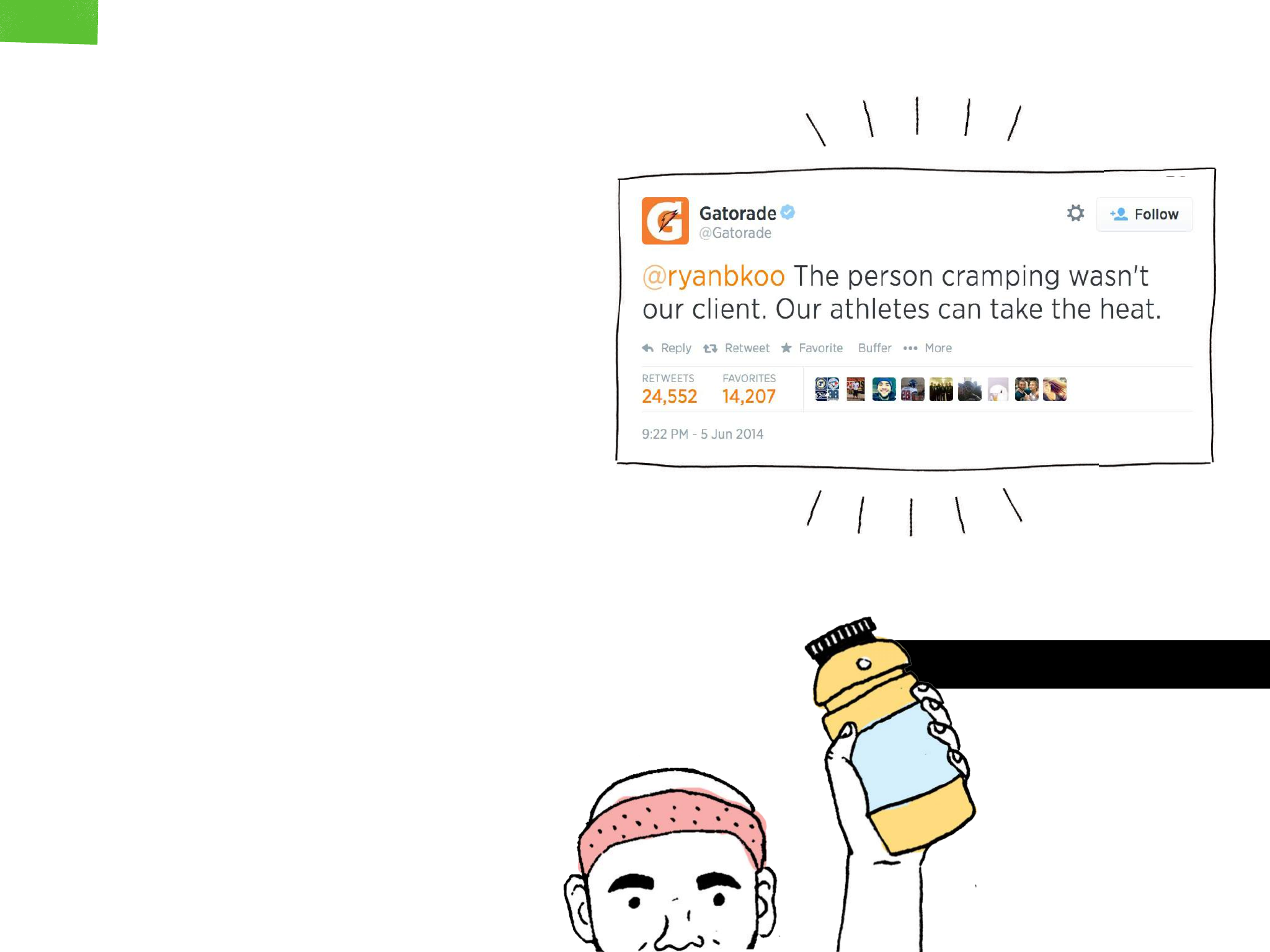
During Game 1 of the
NBA Finals, LeBron James
experienced bad cramping due
to the heat in the AT&T Center.
Gatorade Tweeted in real time,
slyly poking fun at LeBron
(who is actually sponsored by
Powerade). Ultimately, Gatorade
apologized to LeBron, as the
brand is a major sponsor of the
Miami Heat. They still scored
huge points with fans.
Update The Evolution of Social Media
Brands are harnessing social proof outside of social
channels.
These days, successful brands will nd ways to capture and
maximize the most valuable asset they have — the customer
voice. It’s a social truism that people are more likely to like,
follow, or buy a product based on what their friends say about
it. Those public social conversations can now be harvested
from every network and integrated into brand websites and
other owned media experiences. Brands can even integrate the
customer voice in real time, with parameters that ensure that
the content is relevant and safe.
Social as participatory newsroom.
Consumers, viewers, and fans are passionate about being part
of the stories of their time. Both brands and media companies
have adopted a newsroom mentality, seeking to share trends,
topics, and content that resonates with their audience at any
given moment.
Consumers welcome brands in the conversation cycle — if those
brands oer a timely, relevant perspective. Marginally relevant
content will be ignored or, even worse, publicly mocked. Brands
should never try to dominate or hijack a story, but instead simply
contribute to the conversations around them.
Social moves out into the world.
Before anything else, brands must address the baseline
consumer demand for social engagement. Once that’s built
into each day, brands can look beyond the social networks and
infuse social into any digital experience — from broadcast media
to retail, sporting events, and more.
Social polls, contests, and conversations are popping up across
all media, and these social experiences can be sponsored by
brands. Whether it’s at a venue (Jumbotron, touch walls) or
online (websites, second screen apps), social sponsorships
allow advertisers to be a part of conversations that are already
happening. Instead of merely being aliated with an event,
sponsors can now be viewed as an integral part of it. These
new forms of sponsorship are rapidly evolving, as there is
tremendous pressure to deliver something consumers have not
seen before.
Update The Evolution of Social Media

THE CORE 4: Social Marketing Objectives
1. Building brand awareness
2. Driving engagement and participation
3. Generating social conversions and sales leads
4. Delivering superior customer service

• Keep your social network proles complete and up to
date. Many consumers will never visit your website. This
is your chance to make a great rst impression and
communicate important information.
• Identify the usage patterns of your target audiences so
you can focus on the channels they use most.
• Use plenty of relevant keywords in your descriptors and
tags.
• Include images and links in your posts. Optimize based
on network specs.
• Respond to anyone who takes the time to comment or
engage with you.
• Ask for feedback often. Post open-ended questions on
blog articles and social posts, and incorporate social
polls on your website.
• Share user-generated and third-party content. Highlight
your community and encourage them to be a part of
your brand story.
Building Brand Awareness
Even with all the changes in social media, driving awareness is still the #1 goal of most
social media marketers. The potential reach is vast, although the push toward pay to play
is challenging many brands.
Best Practices
Let people know who you are and
what’s going on.
Pro Tactics
On social, people appreciate a natural, non-
corporate tone. In addition to straightforward
brand and product updates, you may want to
spotlight:
• Fun company events or internal contests
(especially video)
• Charitable participation on a company or
individual level
• Oce and sta photos
• New package designs
• New hires and promotions
• Links to industry or market events
• Employee favorites from your product or
service line
Which teams should you involve?
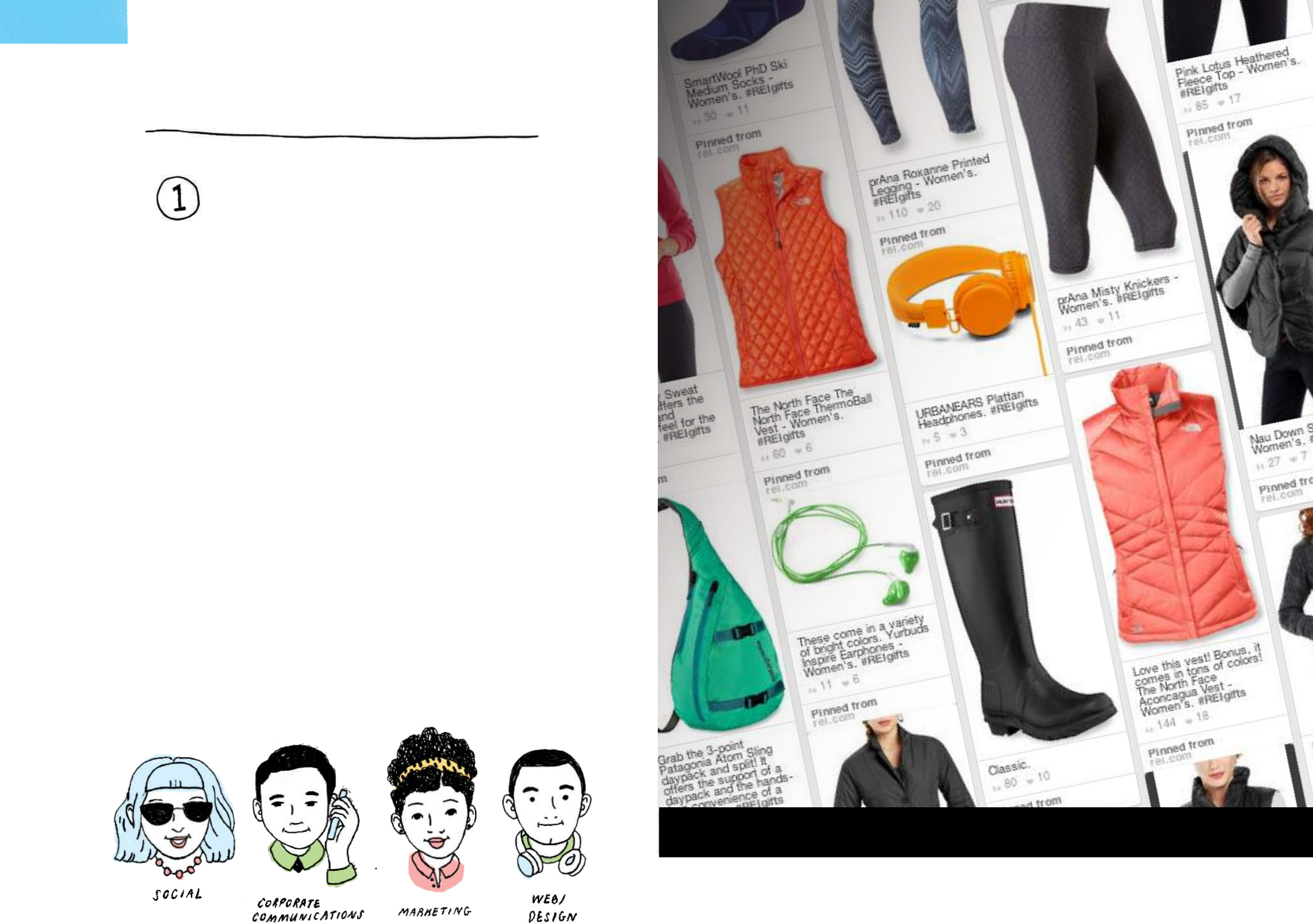
REI maintains multiple #REIGifts Pinterest boards to stay top-of-mind
with dierent audiences — kids, hikers, gadget lovers, etc.
Brand Awareness
The Core 4 Building Brand Awareness
Share valuable research and thought
leadership content.
Many people keep up with brand accounts to stay on
top of an entire industry or product category. Make
sure that the content you share is truly relevant and
valuable. Where appropriate, you should also use
industry- or topic-specic hashtags to surface your
content to the right audience.
Share your research and other content with well-
known bloggers and invite them to share insights
with their readers. Repurpose articles and white
papers into sequential blog posts to help grow your
readership over time.
Good content ideas for awareness-building include:
• Proprietary white papers, best practice guides,
and pertinent articles — as well as third-party
materials your audience might nd valuable
• Tips or creative ideas on how to use dierent
products
• Outside studies on industry trends and user
perceptions
• Videos with key researchers, product designers,
and other subject matter experts
• Industry-related infographics and charts
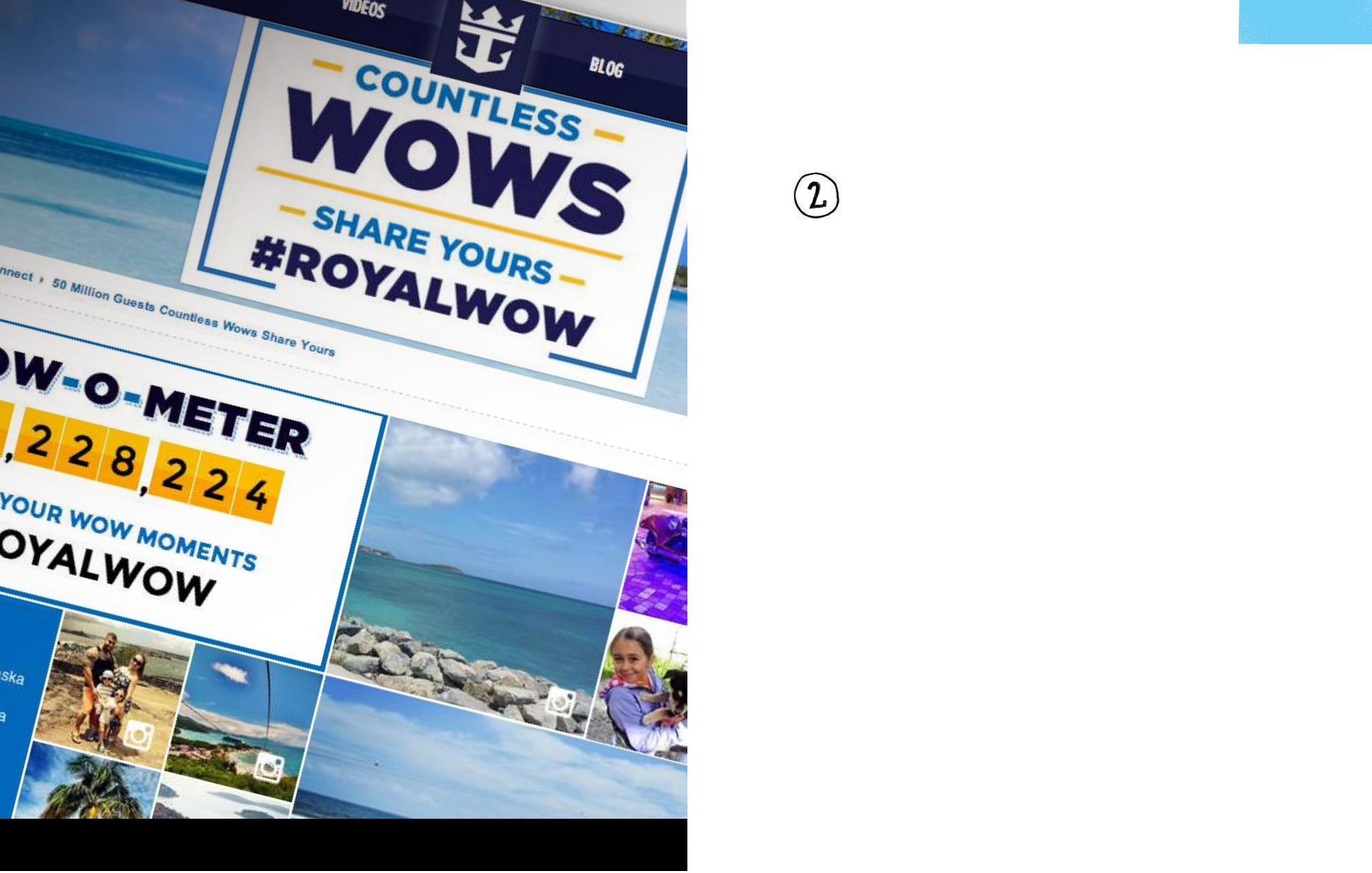
Royal Caribbean’s Countless Wows campaign boosts awareness
by amplifying customer photos and stories in real time.
Building Brand Awareness The Core 4
Brand Awareness
This may be the best way to grow brand awareness.
Soliciting input gets more people engaged and
encourages them to share your brand across their
networks. Plus, when people like or comment on your
posts, favorite or Retweet your tweets, or otherwise
engage, their friends and followers may also be
exposed to your message.
In particular, customer stories and testimonials
help break through the clutter and get attention.
Research shows that people are more likely to believe
authentic customer feedback than anything brands
say themselves. Running a contest, such as a Twitter
Question of the Week, can be a great way to gather
user-generated content. Videos are particularly
valuable and have been democratized by networks
and apps like YouTube, Vine, and Instagram. You
might also consider inviting customers to write a
guest post for your blog about interesting product
experiences and successes.
Amplify customer feedback and
success stories.
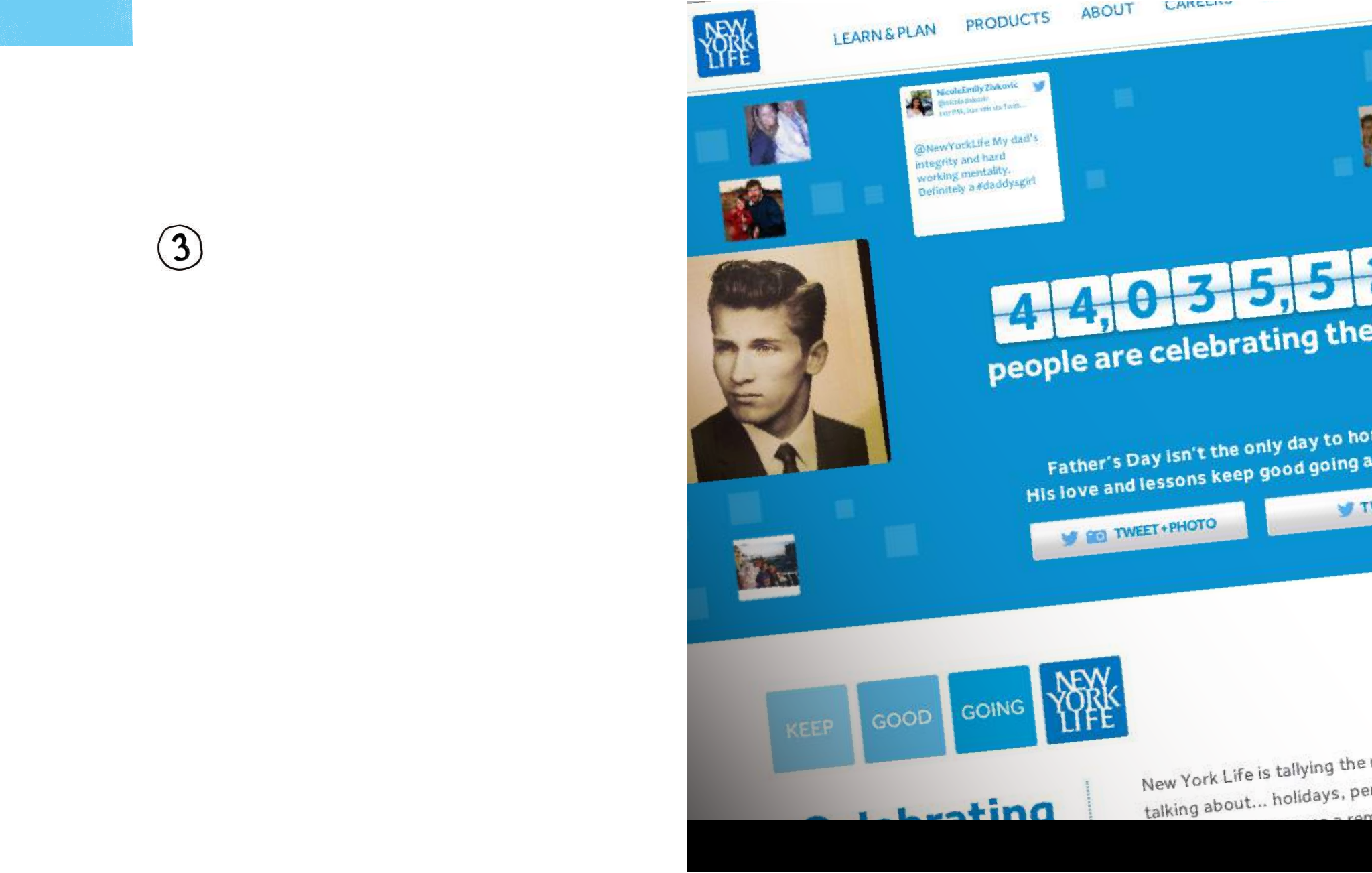
New York Life drove awareness of its “Keep Good Going” campaign through a social
hub that invited users to share relevant family stories and appreciation.
Brand Awareness
The Core 4 Building Brand Awareness
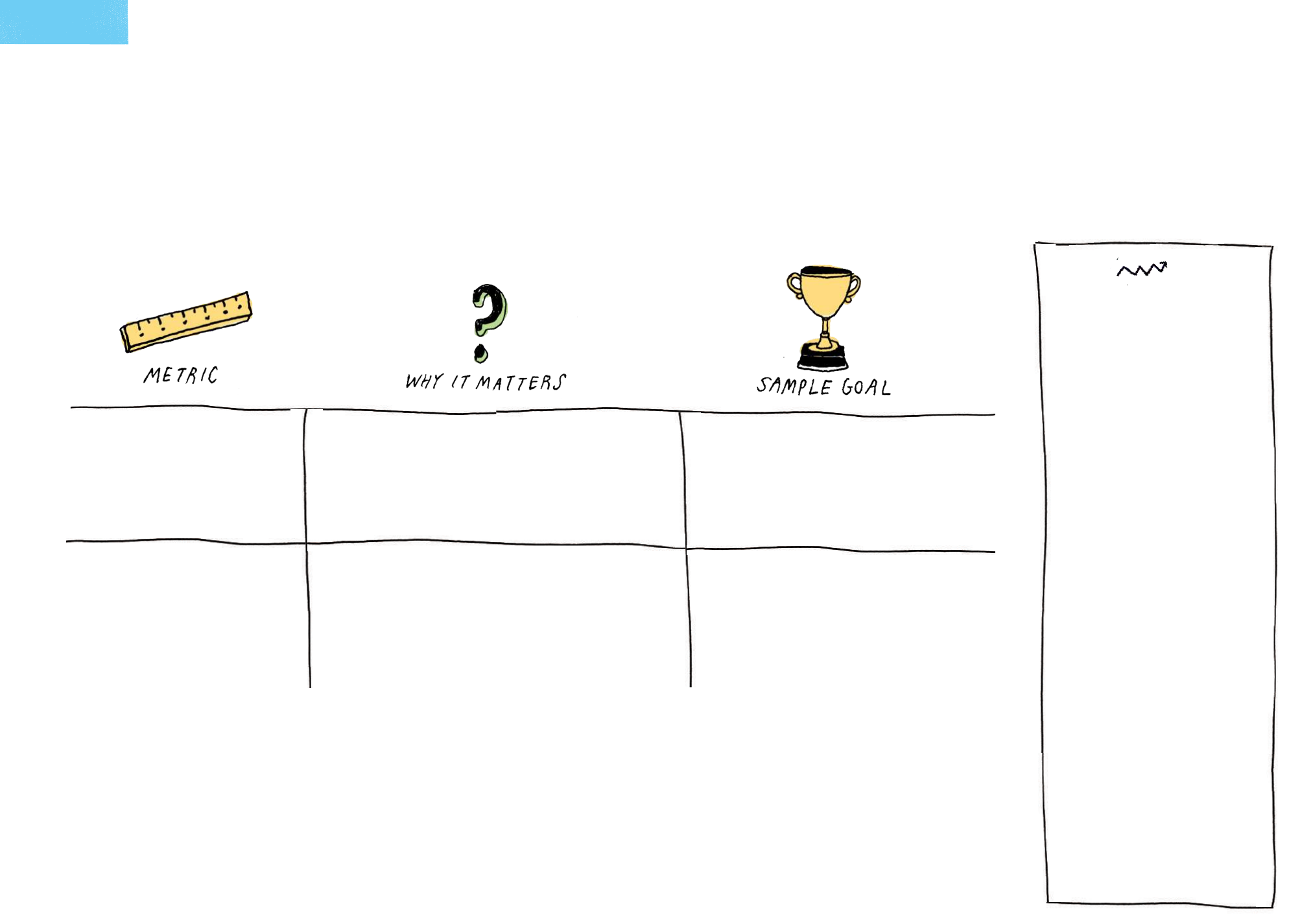
Data Tips
Building brand awareness is largely about reach — the more people who see your messages, the better.
With the number of reach metrics available, you can establish sub-goals and measure your progress
against those goals at regular intervals.
Audience Size
(Fans and Followers)
Impressions
(# of Times Your Content
Was Served)
Tells you how many people are willing to
opt in to continue building a relationship
with your brand
Increasing fans or
followers by X%
Tells you how many times audience(s) are
served your social messages and gives you
a 1000-foot view of how far your brand
activity is spreading
Consistently achieving X
number of impressions
Additional Data Points
Activity metrics indicate
how often your company
publishes new messages or
engages in conversations
on social channels. The
more social activity you
have, the more people see
your brand, more often.
Consistency is key. Since
time decay is a factor in
social channel algorithms,
you don’t want to go
completely silent. Do your
best to balance quality
content with quantity.
Engagement metrics
measure interactions, such
as Likes or Favorites, which
are also helpful in tracking
awareness. Are people
truly seeing and connecting
with your content, or just
scrolling past? In addition,
when a user interacts with
you on social networks, your
content is often seen by
members of that person’s
network — boosting your
reach even further.
The Core 4 Building Brand Awareness
• Incorporate social sharing options on all corporate
webpages.
• Always ask for feedback, comments, and especially
success stories. Amplify great stories across
relevant channels.
• Include relevant hashtags so your audience can
follow the conversation and participate. Consider
how you might capitalize on your owned hashtags
as well as trending hashtags to engage new
audiences.
• Activate your audience with sample social posts
to support your events or campaigns. Create
interactive social experiences like polls, votes, or
photo contests to encourage participation.
• When appropriate, oer incentives for participation,
such as exclusive discounts or giveaways.
• Give your audience a chance to provide input on
product features, service oerings, changes, cause-
related projects, and other company decisions.
Driving Engagement & Participation
Today’s social users want to build meaningful relationships.
Best Practices
Drive repeat engagement with an
ongoing activity or recurring feature.
The goal is to keep people coming back.
• Host a weekly online Twitter discussion
with live Q&As and knowledge sharing.
Create a hashtag to help people nd these
conversations and promote activation outside
of ocial chat times.
• Capitalize on recurring social memes, such as
Throwback Thursday (#tbt), as long as they
make sense for your brand. Watch for new
recurring memes that may be relevant as well.
• Create a LinkedIn professional community that
covers topics that are important to your target
audience.
Which teams should you involve?
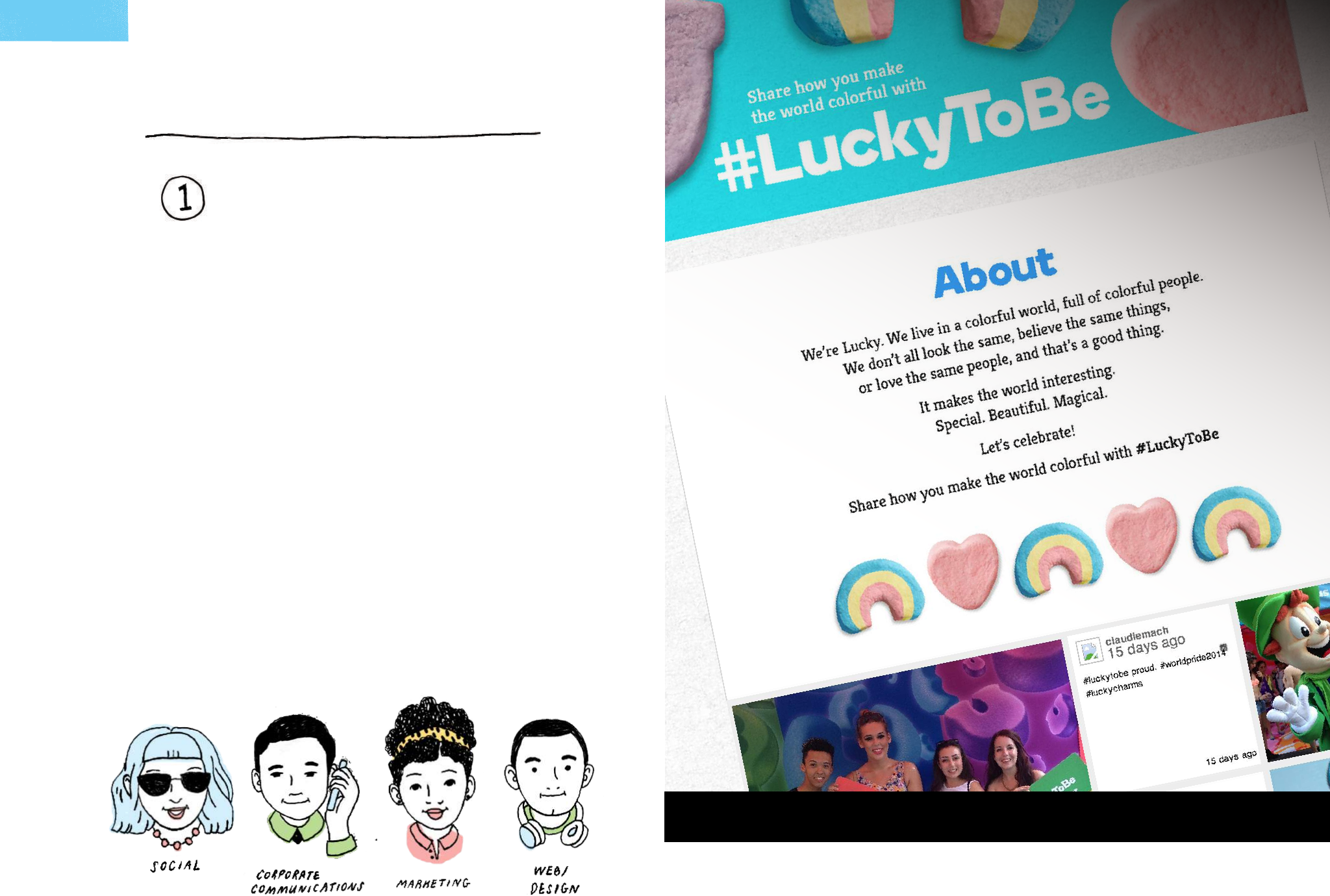
Lucky Charms engaged the Pride community with its #LuckyToBe social
hub, which incorporated user content celebrating diversity.
Pro Tactics
Engagement & Participation
The Core 4 Driving Engagement & Participation
User-generated content (UGC) is valuable social
currency. It builds credibility with your audience
and gets them talking with and about your brand.
The most successful campaigns often generate
competition among fans and followers as they try
to top each other. Give people a meaningful way to
participate.
• Host a social contest tied to your latest brand
campaign or a new product launch.
• Request photo or video submissions showing
creative ways to use your product.
• Consider creating an always-on brand hashtag
where fans can share feedback, funny stories, or
general comments.
Integrate timely social content into
media and marketing campaigns.
It’s now possible to pull positive social mentions
of your brand from any social channel and weave
them into your website or other digital touchpoints.
Look for creative ways to collect and visualize this
content — such as leaderboards, polls, counters,
maps, and ll-in-the-blanks. These integrations
are a great way to increase engagement and add
authenticity to your brand.
Involve your audience and invite them to
get creative.
The Core 4 Driving Engagement & Participation
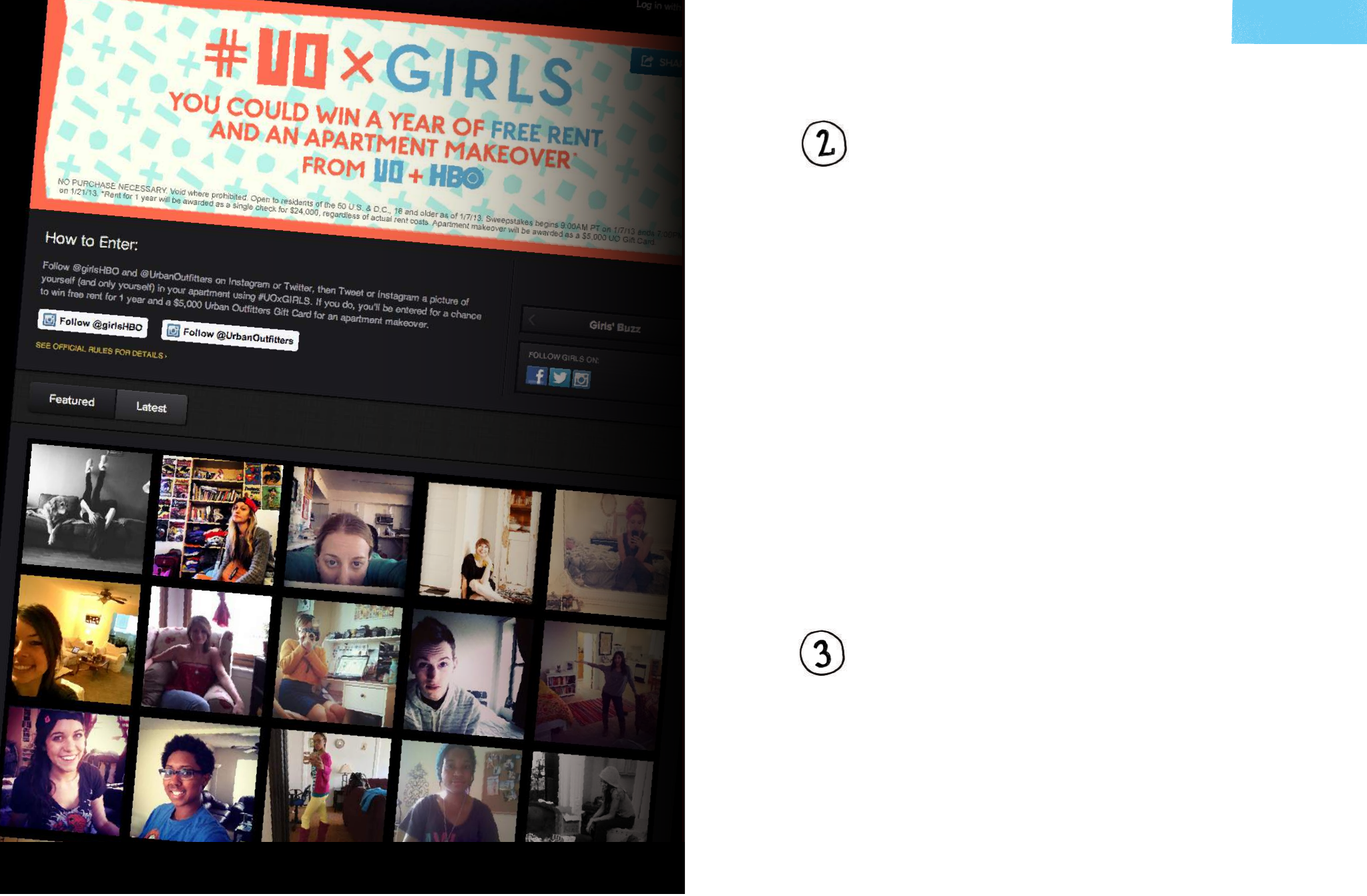
Urban Outtters and HBO connected with young, hip viewers with a #UOxGIRLS photo
contest. Fans could win a year’s rent or a $5000 gift card for home furnishings.
Driving Engagement & Participation The Core 4
Engagement & Participation
Data Tips
Social data can tell you a lot about your eorts to engage more with your audiences. You can measure
the amount as well as the type and quality of your engagement. Use these metrics to understand which
content and campaigns are most successful, and optimize from there.
Activity and reach metrics
help you understand the
number of engagement
opportunities you’re
creating — how many you’ve
created and how many
people are being reached.
Use these numbers to add
perspective to the metrics
outlined at left.
You may also want to layer
in web analytics to discover
which content is most
successful for driving actions
such as click-throughs,
conversions, and web trac.
These conversion metrics
can also help demonstrate
the impact of your social
programs on larger business
objectives.
Additional Data Points
Engagement Rate
(Total Interactions/Posts)
Can be used to measure the eectiveness
of your content overall or post by post Increase average engagement
by X% quarter over quarter
Interactions
(Likes, Shares, Retweets,
Favorites, Pins)
Shows how your overall social activity
resonates with your audience
Increase interactions by X% in
Y month
Audience Feedback
(Comments, Mentions)
Signals participation and audience input
Can include positive or negative sentiment
Earn X comments on at
least Y posts
Maintain X% of positive
sentiment
Amplification
(Shares, Retweets, Repins)
Indicates content resonance and helps
increase earned impressions Earn X million impressions
The Core 4 Driving Engagement & Participation
Generating Social Conversions & Sales Leads
The saying “sh where the sh are” is more pertinent than ever.
• Drive your audience to your conversion points in
multiple places across your social channels. Always
work to capture additional information about people
engaging with your brand on social.
• Include calls to action on all shared content — whether
it’s a link to more great content, a request to share the
content socially, or an oer to get in touch.
• Don’t overlook LinkedIn, especially if you’re in a B2B
space. Because there is less clutter, LinkedIn can be
more eectively targeted to prospects.
• Incorporate contact forms and social sharing
functionality on all landing pages.
• Include an email subscription form on your blog.
• Oer incentives (discounts, unique content, etc.)
for providing contact information or sharing your
brand’s messages.
Best Practices
Monitor across channels for relevant
conversations, then engage accordingly.
Someone is talking about your brand, product,
or competitors at this very moment. Don’t miss
these opportunities!
• Scan Facebook, LinkedIn, and Twitter for
mentions of your brand, your product/service,
or the competition. Answer questions directly
and oer to share more information when
appropriate.
• Conduct ongoing keyword searches to nd
prospects who don’t specically mention
your brand or oerings, but may express a
need or desire your brand can fulll. Look for
appropriate ways to respond or engage with
these prospects.
• Monitor Instagram, Pinterest, Vine, and
YouTube for media tagged with your products
or service. Respond when appropriate with
an oer to talk or provide more information.
You can also pull that content into a dynamic
web experience and link each piece back to an
online point of purchase.
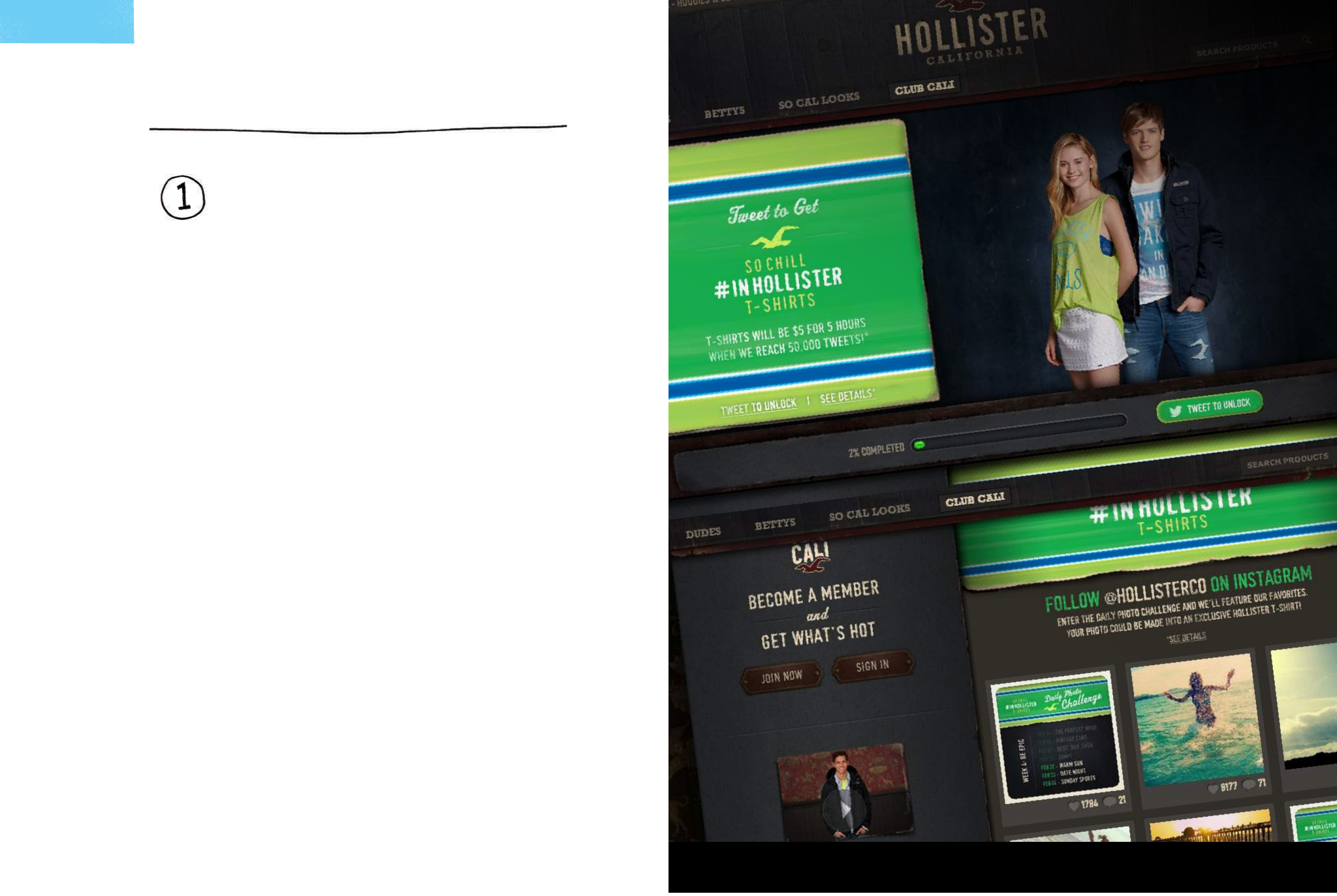
Hollister used a Tweet to Unlock campaign to drive social sharing
and increase online sales by 45% over an average day.
Pro Tactics
Conversions & Lead Generation
The Core 4 Generating Social Conversions & Sales Leads
Social Selling Social Selling
Because buyers do much of their product research
online and on social networks, salespeople are now
engaging directly with prospects via social media.
Big brands like IBM and ADP have already
implemented extensive social selling programs. As
in social marketing, success in social selling requires
listening, sharing compelling content, and oering
meaningful engagement.
Referrals from friends, family, or colleagues really help drive
purchases. Provide opportunities for people to add reviews
and share your content with their network. Amplify positive
ratings and reviews across social channels.
• Add social sharing buttons to every page on your website.
• Actively monitor ratings and review sites like Foursquare
and Yelp. Thank positive reviewers promptly and work to
resolve any issues quickly for less satised customers.
• Share links to review and discussion pages via Twitter, and
ask people to share their feedback.
Encourage reviews, feedback, and sharing.
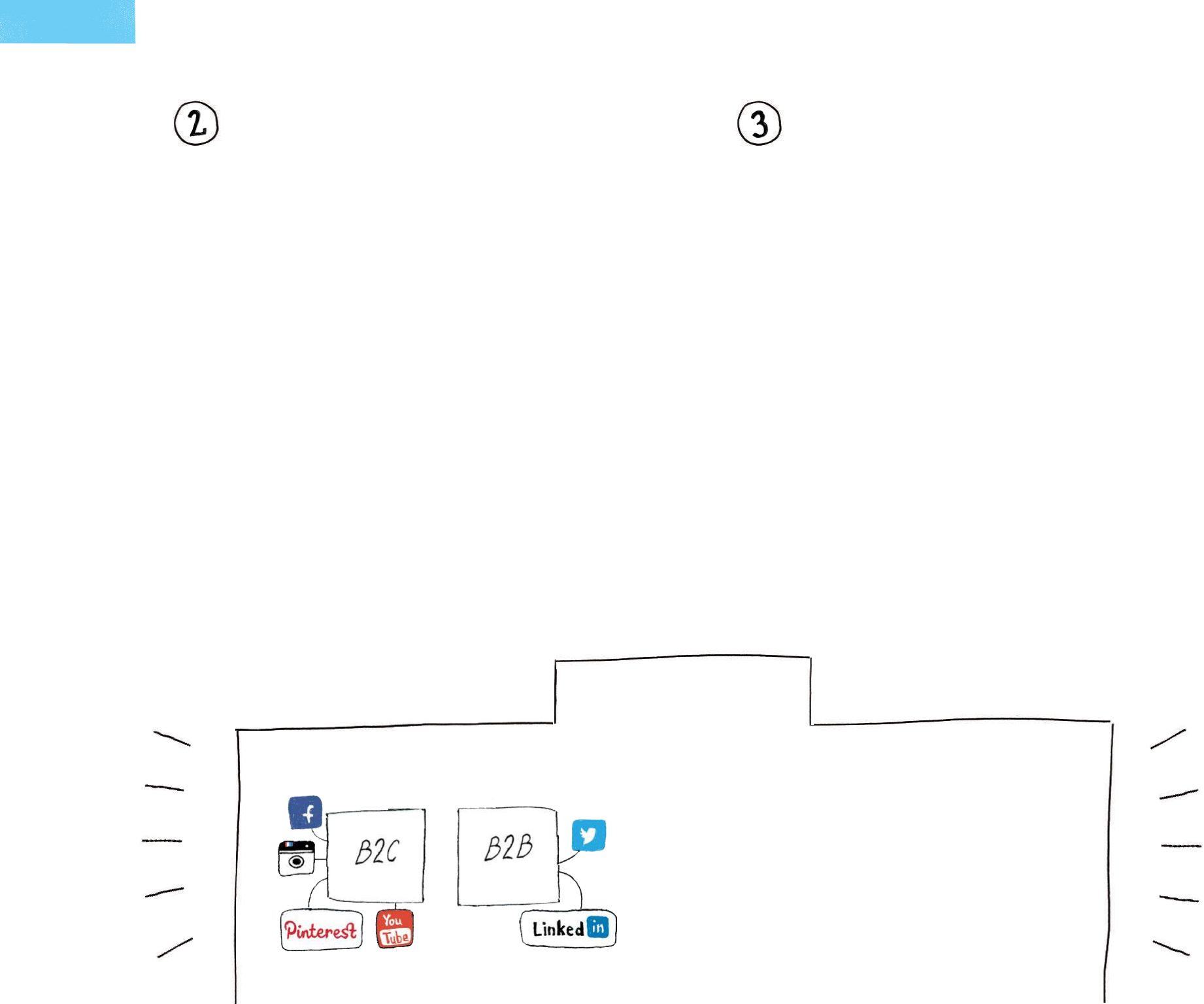
Which networks matter the most?
You are likely sitting on great content to help propel lead-
generation eorts.
• Break a white paper into multiple smaller assets (tipsheets,
infographics), then promote via social.
• Share compelling images or graphics on Instagram and
Pinterest. Include a link to the full document.
• Share key insights from a white paper on LinkedIn or
Twitter, and include a URL to download the whole thing.
• Sponsor updates or promote posts and Tweets to share a
valuable new asset with a broader audience.
• Post a blog recap of a recent study or company event, with
a link to download more details.
• Post PDFs of all publicly available documents on
SlideShare, with links to full documents.
Maximize your assets.
Social Selling
The Core 4 Generating Social Conversions & Sales Leads
Data Tips
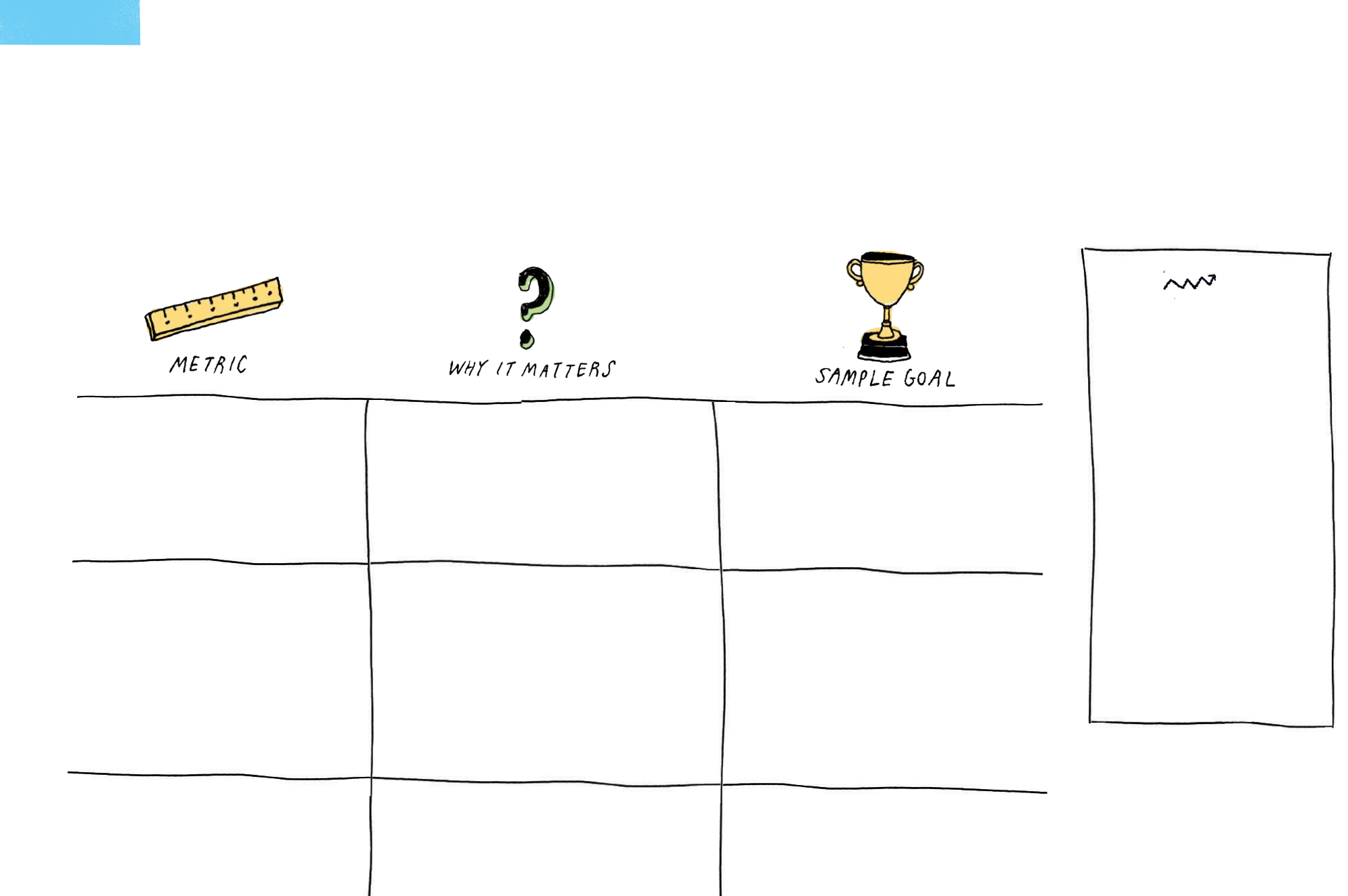
To measure how your social programs deliver conversions, leads, or sales, you will need to
evaluate your social data in tandem with your other business data — through Google Analytics,
Omniture, Marketo, etc.
Social data can be an
invaluable tool for optimizing
your eorts to drive leads
and sales. Engagement
metrics indicate how well
you’re building and nurturing
relationships with your
customers and prospects
via social. Monitoring your
progress in these areas can
help you deliver conversions
over time. Tracking activity
and reach can help you
understand more about
your audience, their content
preferences, and the most
eective targeting strategies.
Traffic Driven to Web
Properties
(Measured via Web Analytics,
Link Tracking)
Connections to a
Salesperson
Shows action and additional intent that
result from your social eorts
Actual Conversions
and/or Sales
(Measured via Web Analytics, Marketing
Automation, POS Systems)
Indicates success in moving people to
take action — whether it be campaign
responses (B2B) or conversions like
e-commerce sales or coupon redemption
Generate X new leads from a
paid social campaign
Drive X clicks to the website
from a specic social
promotion
Salesperson followed by target handles
on Twitter or connected to prospects
on LinkedIn at top X named accounts
Shows whether a salesperson is building
relationships and engagement that can
inuence prospects
Additional Data Points
The Core 4 Generating Social Conversions & Sales Leads

• Establish Service Level Agreements (SLAs) for
response times, total number of customer service
items your brand will respond to, etc. And make
sure you have the technology, resources, and
processes in place to meet those agreements.
• Decide whether to create separate customer care
proles on certain social channels or to deliver
care from your primary brand account. Not every
channel may be ideal for care. Be sure to include
any geographic or time limitations aecting the level
of care to be provided.
• Introduce your team and their areas of expertise.
Then let your customers know when and how you’re
available to address their questions, comments, and
concerns.
• Preempt any questions or concerns by sharing
public announcements about known problems,
service interruptions, learning opportunities, or
upcoming enhancements.
• Connect your audience with education and support
resources, such as knowledge bases, tutorials, repair
information, etc.
Delivering Superior Customer Service
Immediacy and personal connection make social media a perfect t.
Best Practices
Help with troubleshooting.
Resolve issues if you can. If you can’t,
manage expectations.
Social media is a natural t for troubleshooting,
and customers expect the public help. Be
proactive about common problems or any issues
that come up. However, if conversations require
sharing private or otherwise sensitive information,
take them oine.
In an ideal world, you can immediately address the
specic concerns mentioned on social. Sometimes
you can’t, so it’s important to respond quickly with
next steps and/or a likely resolution time. Your
responsiveness reassures customers that you’ve
heard their concerns, and lets other members of
your audience see that you’re actively looking into
issues. Many times customers just want to know
that they are being heard.
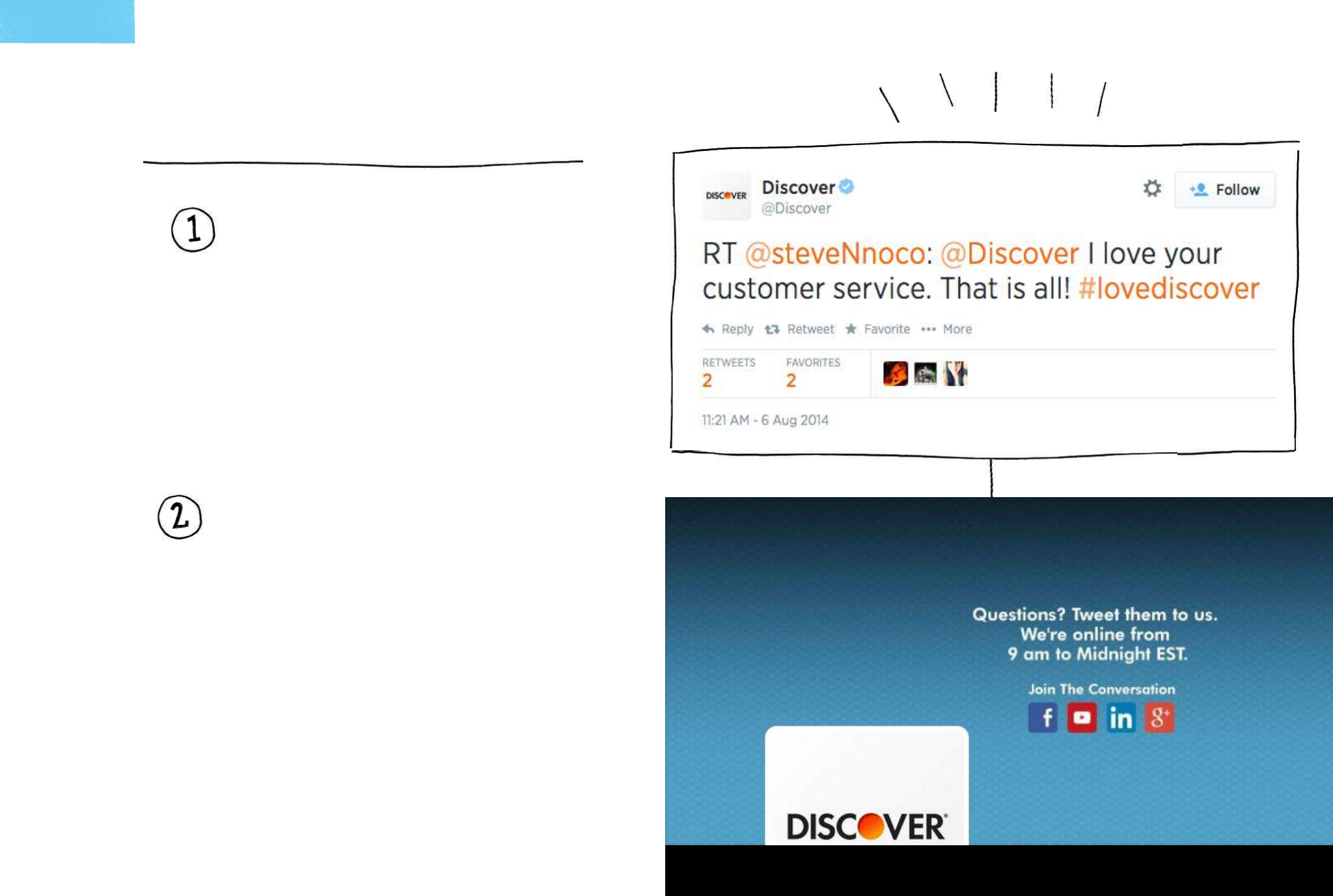
Discover Financial Services handles customer service on social
seven days a week — and amplies positive feedback.
Pro Tactics
The Core 4 Generating Social Conversions & Sales Leads
Customer Service
Because you can learn so much about customers
based on their social interactions, you can use
customer-service initiatives to relate more closely
with your audience and cultivate brand evangelists.
• Show your appreciation for a customer’s
patience with an incentive or other reward.
• Use publically available prole information to
understand your customer better and deliver
a tailored, personal experience.
• Reward and celebrate passionate fans who
comment when they know the answer.
Think beyond customer service.
Which teams should you involve?
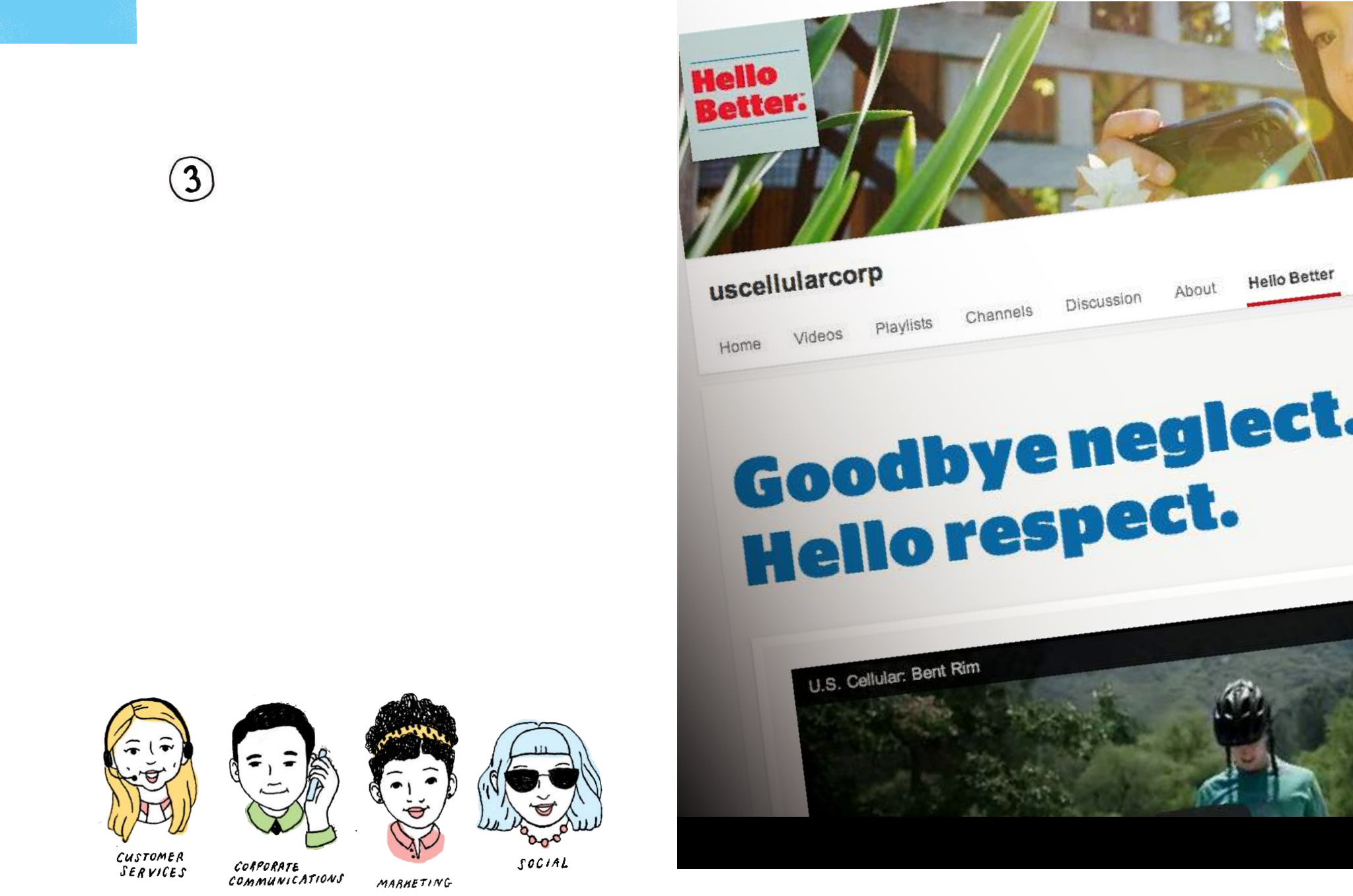
US Cellular’s small social care team delights customers with very
responsive service, even with thousands of monthly requests.
Customer Service
The Core 4 Generating Social Conversions & Sales Leads
Data Tips
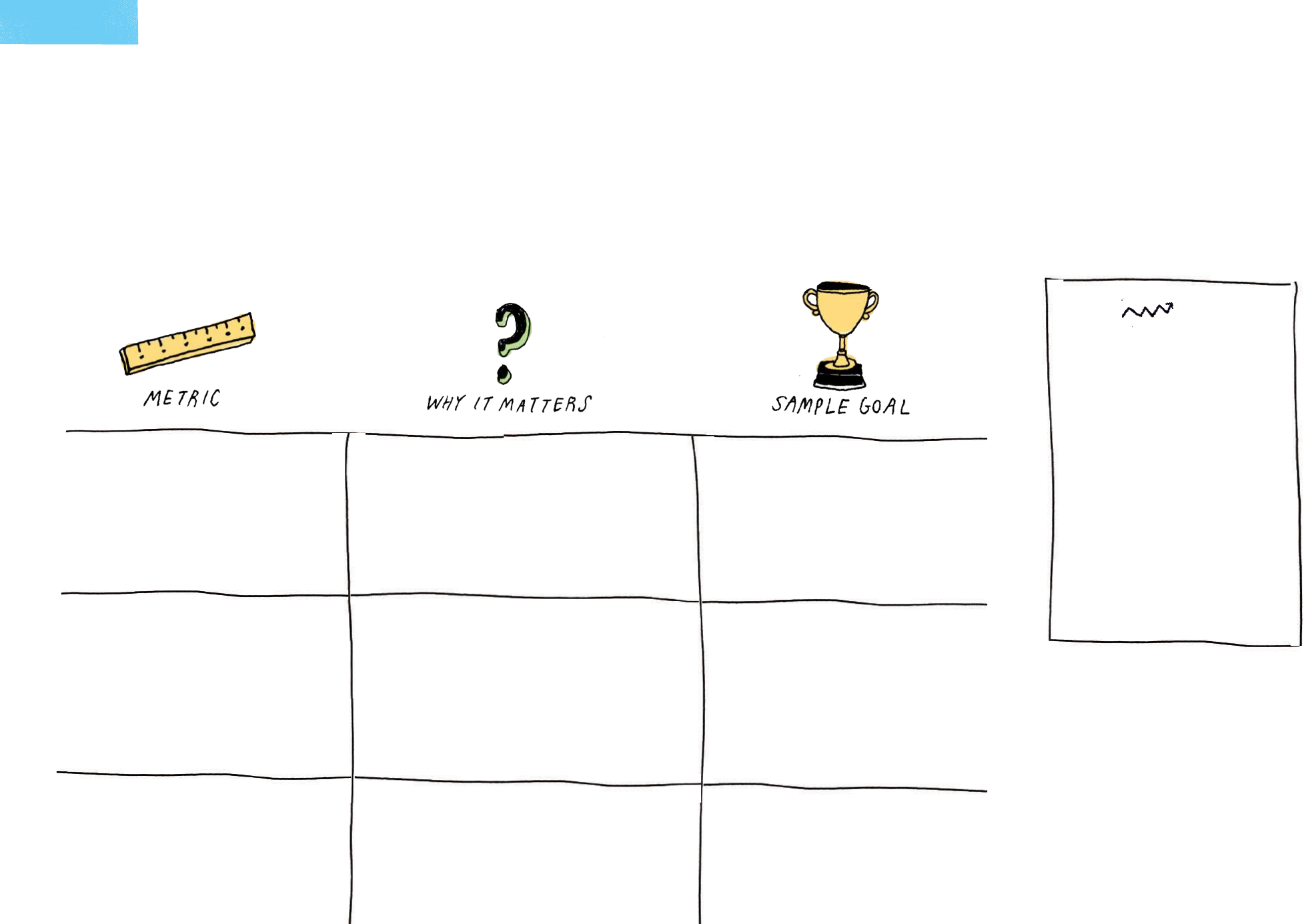
Activity is the primary metric category for social customer care, with engagement a close second. To
understand how your social care eorts aect your overall customer satisfaction, you’ll want to correlate
activity and engagement metrics with additional information sources such as customer surveys, reviews,
Net Promoter Score (NPS), etc.
Inbound Activity
(Total Care-Related Issues, Issue
Sentiment)
Responses to Care-
Related Issues
(Total Service Issues Resolved,
Time to Respond, Time to Resolve)
Customer
Satisfaction
(Surveys, Net Promoter
Score, Reviews)
Shows how many service issues
customers post on social networks, and
whether they were positive or negative
Shows how often your brand responds
and how quickly
Shows the eectiveness of social care
in resolving customer inquiries
Decrease negative care
issues by X%
Increase responsiveness
by X% or reduce time-to-
resolution by Y%
Compare customer ratings on
cases received from social versus
website versus call center etc.
Benchmarks consumer opinion through
customer surveys, positive reviews and
ratings, and NPS
Engagement metrics indicate
the level of interaction with your
care-related activity and, in part,
show how much your audience
values your eorts. Monitoring
the reach of your social care
eorts help you understand
how many people are being
exposed to your positive,
valuable customer experiences.
Additional Data Points
The Core 4 Generating Social Conversions & Sales Leads

THE KEY 3: Specic Opportunities to Engage
1. Launching a new product or service
2. Promoting corporate-hosted events and sponsorships
3. Capitalizing on real-time trends and topics
Launching a New Product or Service
According to Gleanster Insights, product launches are
one of the three most common uses of social media
for businesses. In Gleanster’s Q4 2013 Social Listening
survey, 8 out of 10 marketers surveyed had used
social media to promote and launch new products
and services.
It makes good sense. Social is an eective medium to
create hype and boost adoption. However, the playing
eld has gotten tougher as social media has escalated
the intensity and attention around launches. A poor
social launch can hurt more than help.
• Tease the launch ahead of time to build interest.
• Don’t just tell them — show them. Use visuals and
video to bring new products to life.
• Provide social-only insider information.
• Share interviews with creators, experts, and users.
• Boost adoption and sales through promotions and
exclusive deals.
• Share prepackaged content and multimedia
resources for news and brand advocates.
Quick Tips
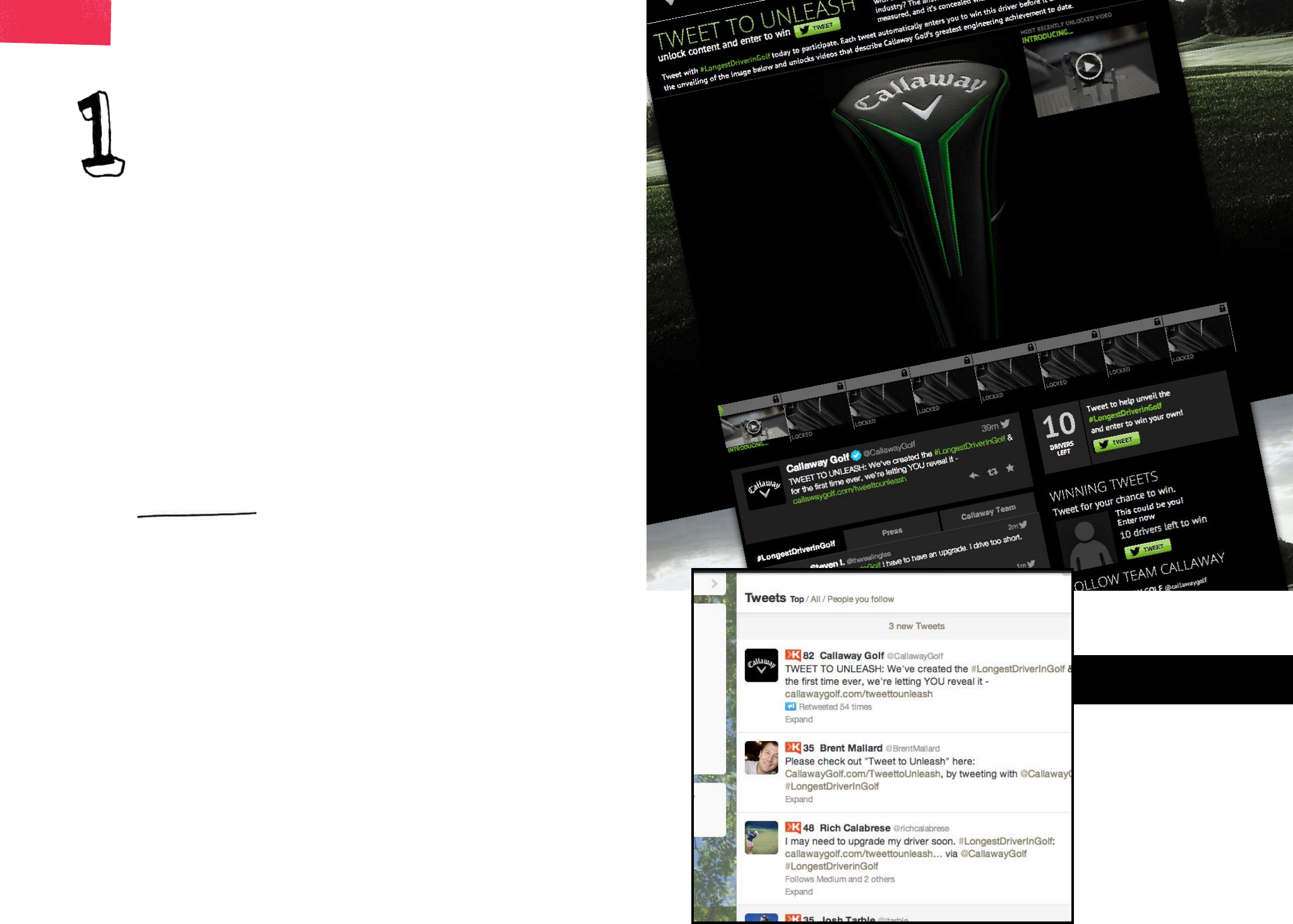
Callaway Golf revealed
their new drivers with a
Twitter “sneak peak.”
The campaign hashtag
trended #1 worldwide for
four hours and earned
Callaway nearly 2,000
new followers.
Product Launch
The Key 3
Social Sponsorship
Promoting Corporate-Hosted Events
and Sponsorships
By now, social media is tightly interwoven into all
kinds of business events — in-person (conferences,
workshops), virtual (webinars, Twitter Q&As), or some
combination of the two. Whether your organization is
hosting or simply sponsoring the event, sharing related
content and experiences helps drive engagement,
awareness, and attendance. Integrating social in-venue
at consumer events such as concerts, sporting events,
or TV shows is also increasingly valuable. These high-
impact integrations help keep attendees and non-
attendees connected in the moment.
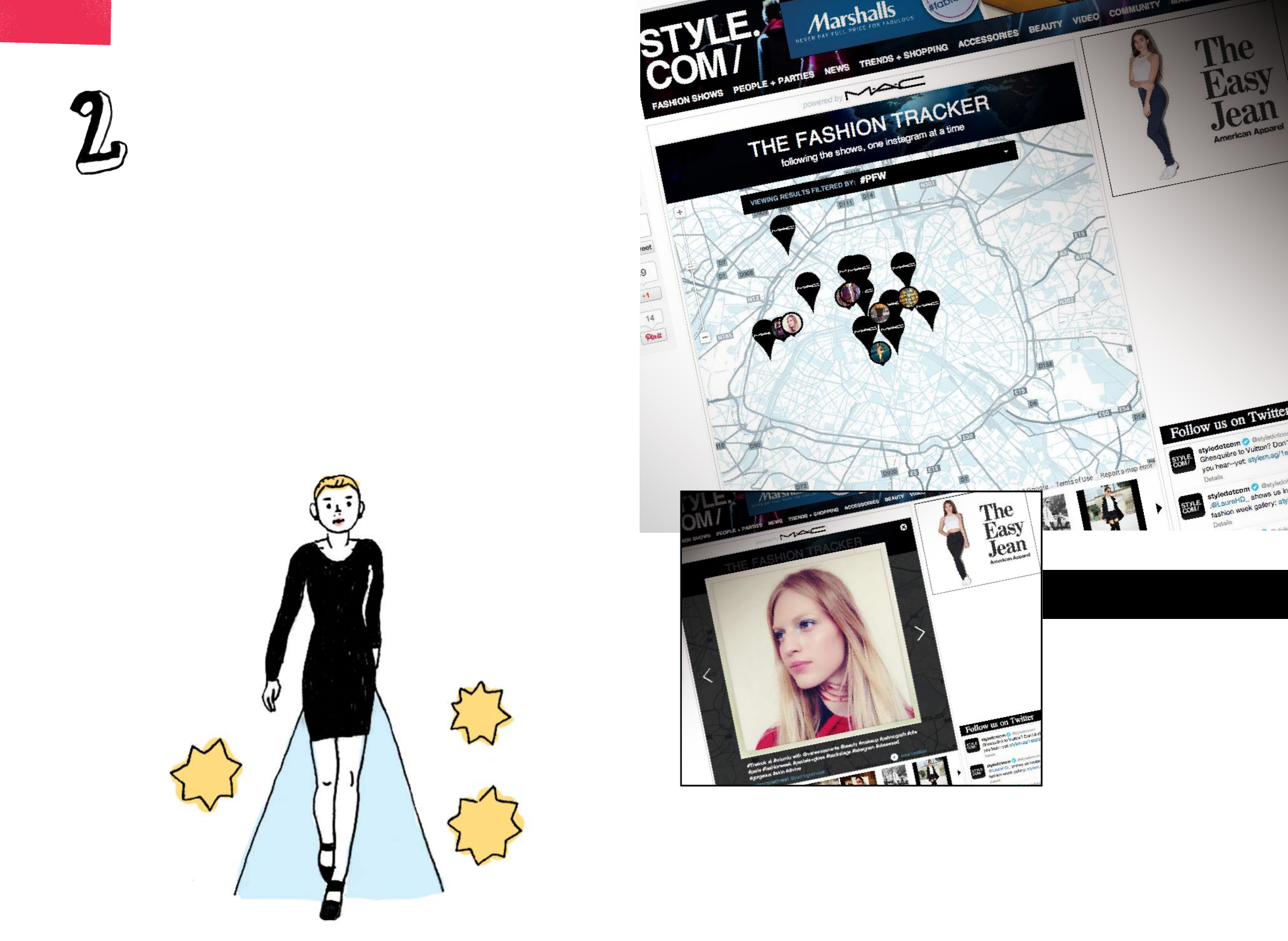
MAC Cosmetics sponsored
a Fashion Tracker app
on Style.com for Fashion
Week — combining Twitter,
Instagram, and Google Maps
into a mobile-optimized
fashionista experience.
The Key 3
• Share what makes your event special and valuable for your
attendees. Focus on noteworthy speakers, exclusive insights,
networking opportunities — anything that can help create buzz.
• Issue reminders and updates, and answer questions promptly and
thoroughly.
• Ask for suggestions to help shape your event in the planning stage
and request feedback during and after the event.
• Share content from the event with non-attendees and repurpose it
later for thought-leadership articles.
• Create a live social hub on your owned event page and integrate
the best content via in-venue displays.
• Oer incentives for registration and exclusive benets for fans/
friends/followers.
• Stay connected after the event by tagging photos, thanking
attendees, and following through with recaps and additional
content.
Quick Tips
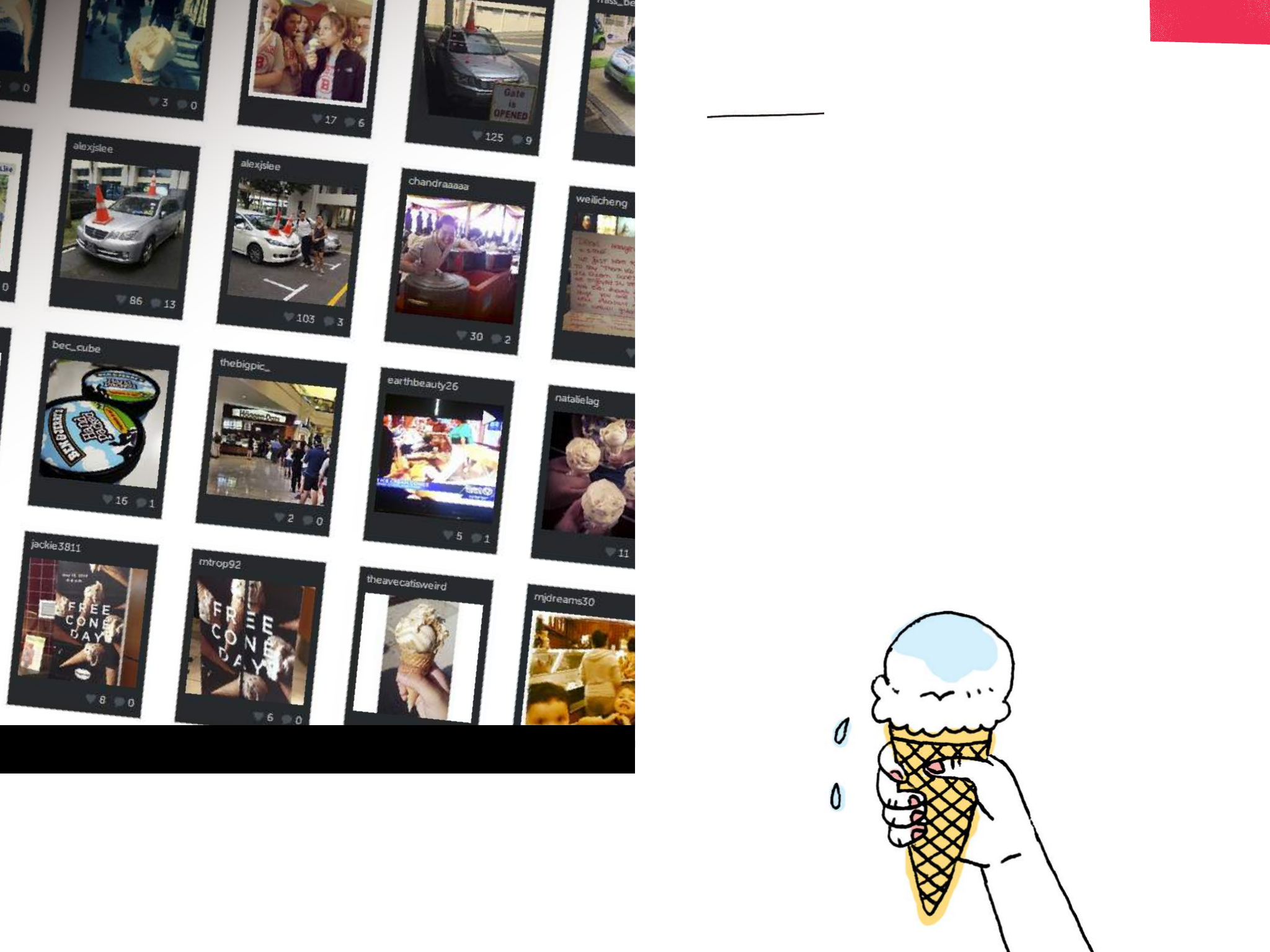
Ben & Jerry’s promoted their annual event by amplifying #freeconeday. The campaign
generated massive social reach and exposure to about 10% of the world’s population.
Corporate Event
The Key 3
Capitalizing on Real-Time Topics
and Trends
From big awards shows, sporting events, and major
holidays to everyday moments, more and more brands
are awakening to the real-time marketing revolution. Social
trends and conversations are a goldmine for creative
content. However, memes can hit and spread like wildre.
Staying on top of what’s trending is a huge challenge — with
a big potential payo.
• Keep a pulse on global trends and topics of particular interest
for your customers and fans. Use social search to uncover
more moments to connect.
• Don’t try to hijack a trend or event. Select conversations
carefully and focus on opportunities that are relevant in time,
message, and value to your audience. Include timely brand
communications around everyday events, and make sure your
comments add value.
• Have a plan and consistent strategy for real-time engagement,
and optimize your team to act quickly and eectively.
Quick Tips
Real-Time Engagement
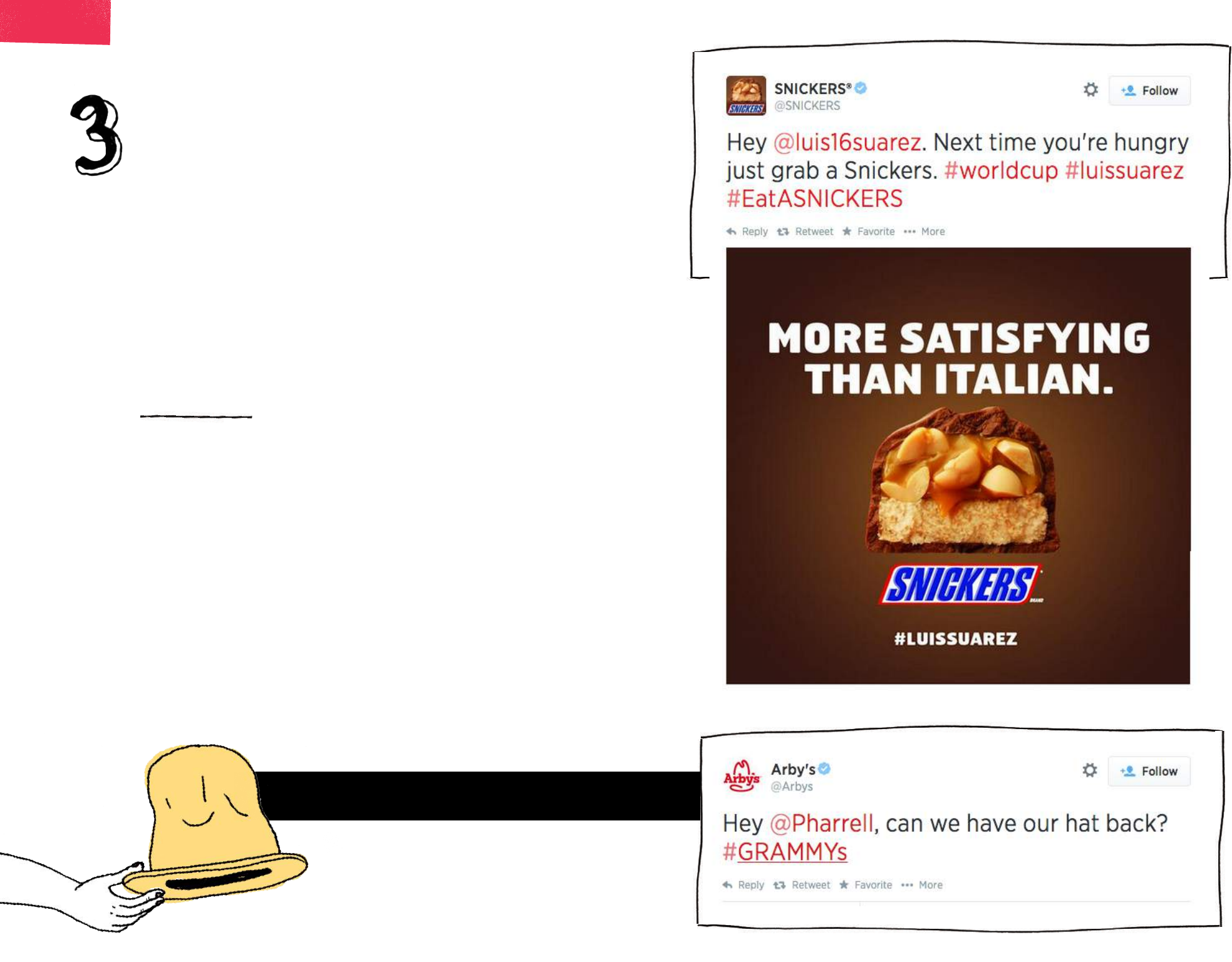
Snickers shared a sweet Tweet follwing a World Cup
biting incident. Arby’s jumped in on an opportune
GRAMMYs fashion moment. Both brand Tweets were
relevant and timely, with a healthy dose of humor.
The Key 3
200 W. Cesar Chavez St.
Austin, TX 78701
(888) 212-2216
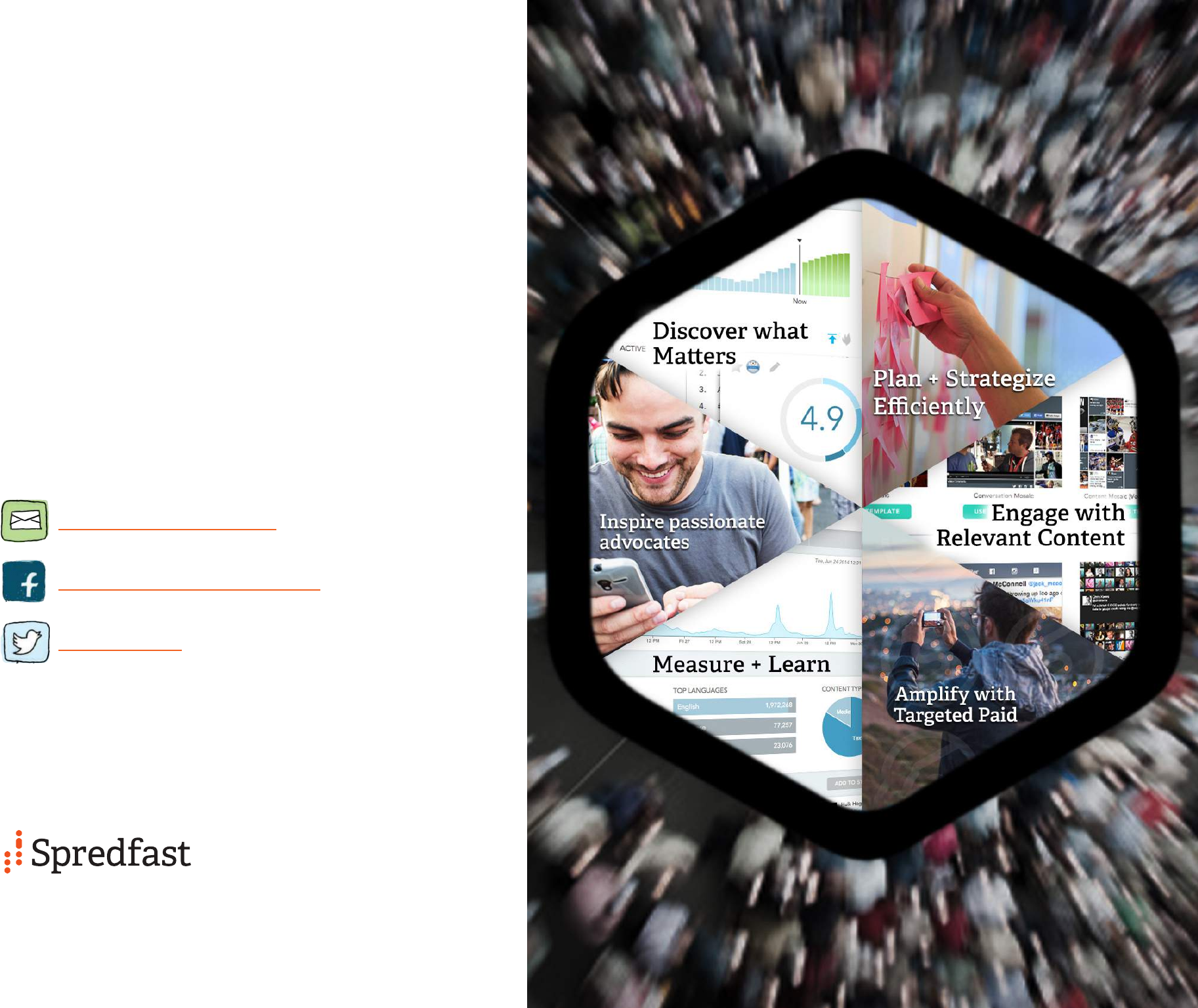
The Spredfast Social
Marketing Platform
The greatest challenge and opportunity
within social today is rising above the noise
to engage the right audiences with relevant
content.
We know this and have made relevance
the cornerstone of every product and core
capability across our software and services.
info@spredfast.com
@spredfast
facebook.com/spredfast
Get in touch with us...
