VIReC Resource Guide: VistA Reference 39 PDF Vist A User Guide
User Manual:
Open the PDF directly: View PDF  .
.
Page Count: 16

VistA
A VIReC Resource Guide
VA Information Resource Center (VIReC)
September 2012
1
VIReC Resource Guide: VistA
Overview
Introduction
This Resource Guide is designed to help health services researchers and
others considering using data extracted from the VA’s VistA system
understand VistA’s origins, structure, content and utility for VA research.
The Guide is a product of the VA Information Resource Center (VIReC), a
national resource center of the U.S. Department of Veterans Affairs (VA) Health
Services Research and Development Service.
Support
The VA Information Resource Center (VIReC) is supported by Health Services
Research and Development Service grant SDR 98-004.
Suggested
citation
VA Information Resource Center. VIReC Resource Guide: VistA. Hines, IL:
U.S. Dept. of Veterans Affairs, Health Services Research and Development
Service, VA Information Resource Center, Jun. 2012.
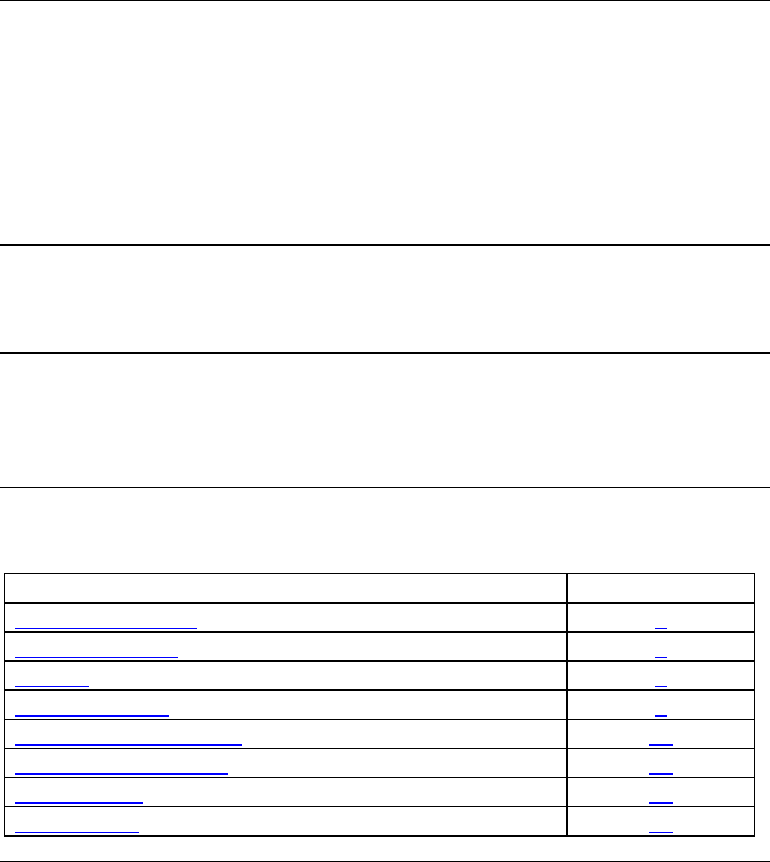
Contents
This document contains the following topics:
Topic
See Page
VistA Description
2
Research Utility
4
Access
7
Documentation
9
Training Opportunities
11
Additional Resources
12
Works Cited
13
Appendix A
15

2
VistA Description
Introduction
VistA is an integrated system of software applications and data files that
include patient medical records and directly support patient care at Veterans
Health Administration (VHA) healthcare facilities. The name VistA was
chosen to represent the Veterans Health Information Systems and Technology
Architecture. VistA operates under the auspices of the Office of Information
and Technology’s Product Development Service Line.
VistA is comprised of both locally adapted and nationally mandated software
applications, including a graphical user interface application known as the
Computerized Patient Record System (CPRS).
CPRS
The Computerized Patient Record System (CPRS) is a VistA application that
functions as the graphical user interface to VistA. CPRS presents data for a
single patient and resembles a paper chart. CPRS enables users to review and
enter information connected with a patient, support clinical decision making,
and allow tracking of panels of patients.
VistA data
Each VistA application generates at least one data file. VistA data files hold
the administrative data that support VA day-to-day operations. VistA files
also contain clinical data, such as patients' medical and healthcare utilization
histories, patient demographics, medicines, diagnoses, procedures,
practitioner information etc. All patients treated at VA Medical Centers are
included in the files, which are updated continuously at the point of care or as
part of administrative processes.
National
databases
VistA is a source of data for many VHA databases of interest to researchers,
including:
• VHA Medical SAS Datasets
• VHA Decision Support System (DSS) National Data Extract
• Pharmacy Benefits Management Service (PBM) data
• Veterans Integrated Services Network (VISN) data warehouses
•
Corporate Data Warehouse (CDW)
Continued on next page
3
VistA Description, Continued
How data enter
VistA
Data are entered into VistA by way of manual entry, bar codes, and
automated instrumentation. Some data are derived from central financial,
personnel and operational systems and distributed electronically to local
facilities' VistA files.
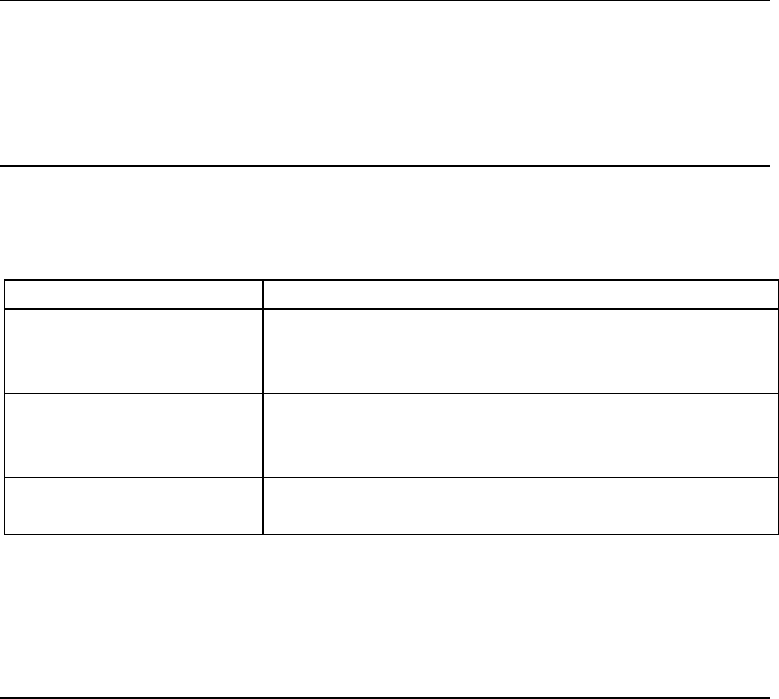
Case identifiers
In VistA data, several types of identifiers allow analysts to identify unique
individuals and to link cases within VistA data with data obtained elsewhere.
Case Identifier
Definition
PatientIEN
Patient Internal Entry Number (IEN) is an
individual’s identification number in his/her local
VistA system
PatientICN
Patient Integration Control Number (ICN) is the
VHA’s unique patient identification number
generated by the Master Veteran Index.
Social Security Number
Unique personal identifier issued by the Social
Security Administration.
Note: VistA data does not include the Scrambled Social Security Number, a
VA-generated identifier applied after data has been extracted from VistA.
Investigators may apply for permission to access data identified by SSN only if
their investigation requires such access.

4
Research Utility
Introduction
Strengths of VistA data for research include its wealth of patient-level clinical
and healthcare utilization information. In addition, VistA captures data not
currently available in any other national data source. VistA’s limitations as a
research database include the fact that, like other administrative databases,
VistA files are organized to promote patient care and facility management
rather than research analysis.
When analyzing any healthcare claims or utilization data, the question must
always be asked whether the data are sufficiently accurate and consistent to
support analysis. Researchers are advised to carefully examine any VistA data
to be used in their analyses for evidence of data quality problems.
Strengths
VistA data provide the most clinical detail of any VA database. VistA data
include detailed information on all persons treated at a VA Medical Center,
across the full spectrum of inpatient and outpatient care provided at that
facility.
Furthermore, while the VA’s Corporate Data Warehouse is increasing the
types and amounts of VistA data available from a central source, some types
of data are still only available from local VistA systems.
For example, the TIU documents data at the CDW, that is, the clinical notes
data, are updated just once per year. VA studies frequently need more current
clinical notes data.
Continued on next page

5
Research Utility, Continued
Limitations
As is true with all administrative databases, there are some limitations to the
utility of VistA data for research analyses. The table below provides some
examples of limitations.
Limitation
Description
Data format
Some VistA data exist only as text, not in a
convenient, computable format.
Inconsistent data
VistA may vary from site to site. Sources of
inconsistent data include:
• Certain clinical data, notably results from cardiac
and other imaging tests, may be created and stored
outside of VistA and the software applications used
to create those images can vary from site to site
• Some leeway exists for local modifications in VistA
software such as non-standard numbering for or the
addition of codes.
• Sometimes local procedural differences in the way
data are collected or recorded may cause a data
element to have a slightly different meaning at one
site than it does at another
Suitability issues
The application of healthcare utilization data such as
VistA data to healthcare policy questions requires
caution. Documentation for each of VistA's software
packages, available from the VistA Documentation
Library on the VA Intranet, can provide clues to the
context in which elements are entered into the
database and consequently to their valid interpretation
[1].
Moreover, the validity of using administrative codes such as ICD-9-CM and
CPT-4 codes to represent the clinical status of patients continues to be the
subject of debate [2,3].
Continued on next page

6
Research Utility, Continued
Data Quality
The Data Quality Program of VHA’s Office of Informatics and Analytics
promotes VistA data quality, fostering best practices for assuring uniformity
of policy and practice [4]. Still, since few studies have been designed
specifically to investigate the reliability and validity of VistA data, the quality
of VistA data remains largely unexplored. Researchers who have utilized
VistA data in their analyses sometimes mention in published articles some
evidence of the validity or reliability observed in their data, so articles using
VistA data in a researcher’s area of interest may be the best place to find data
quality information for a particular data element included in VistA.
For a discussion of the accuracy of diagnostic coding in general, see
“Measuring Diagnoses: ICD Code Accuracy” by Kimberly J. O'Malley, PhD
et al. [5].
Additional
resources
The VIReC web site provides several substantive works on VistA data
research utility. These include:
• A VIReC monograph, "VIReC Insights: Veterans Health Information
Systems and Technology Architecture (VistA) as a Research Tool”, which
explores the utility of VistA data for research [6]
• A VIReC sponsored single topic issue of the Journal of Rehabilitation
Research and Development on the quality and utility of secondary data for
VA research that includes several articles pertaining to data that originate in
VistA [7].
• In-depth analyses on selected VistA data elements like Race, Ethnicity and
Mortality, available on the VIReC web site’s Data Quality page [8].
Note: Investigators will want to thoroughly explore and become familiar with
their data, and may find it helpful to seek technical information from
Information Resources Management Services (IRM) personnel at the sites
whose data is being analyzed.

7
Access
Introduction
Several avenues are available to access to VistA data for research. The best
way to the data for a particular project will depend on factors such as the
cohort size and number of study sites, discussed below.
Note: Research access to VistA data is granted only to researchers who have
obtained authorization from the appropriate Institutional Review Board
(IRB).
National data
sets
VistA is the source for numerous national and VISN databases, many of
which have well-developed procedures for data cleaning and for research
access. Before attempting local VistA access, investigators will want to
consider whether or not national or VISN databases can meet their data needs.
Small cohort
studies –
researcher’s
home site
For access to individual patient records at the VA researcher’s own site, for
example for chart reviews for a small local cohort, the local IRM can be
approached regarding technical arrangements for becoming an authorized
user of the local information system.
Small cohort –
multi-site
studies
For access to individual patient records (one patient at a time) at VA locations
other than or in addition to the researcher’s own site, two VistA applications
are available: CAPRI and VistAWeb. To apply to use CAPRI and VistAWeb
see the web site of the Health Information Access Office [9].
VIReC’s web site provides concise introductions to CAPRI and VistAWeb,
including the advantages of each in differing situations. On the Data Access
and Request Guide page of VIReC’s web site, select Veterans Health
Information Systems and Technology Architecture (VistA).
Continued on next page

8
Access, Continued
Large cohort
studies
For larger cohorts, patient-by-patient access is not practical. If target data are
not available from a national data source, studies with large cohorts will
require custom extracts from VistA data. That is, data to be analyzed must
first be extracted from VistA and transferred to a different platform, since
VistA includes no analytic software.
Custom extracts can be performed by a programmer experienced with one of
these programming languages:
• VA Fileman database management software
• MUMPS, (Massachusetts General Hospital Utility Multi-Programming
System), the primary programming language of the VistA environment
• SQL, (Structured Query Language), a programming language designed for
managing data in relational databases such as the Caché® database attached
to each VistA system.

9
Documentation
Introduction
Familiarity with VistA data files and data elements is necessary for correctly
interpreting VistA data and for checking data for accuracy, consistency,
duplicates, and missing data. Several sources of VistA data documentation are
listed below.
Note: The VistA system grew in a decentralized fashion for multiple decades.
Over that time, documentation was not captured for all VistA applications in
a uniform or complete manner. Consequently, VistA data documentation is
sparse in many cases, making VistA data challenging to use.
Sources
Documentation useful when analyzing VistA data can be obtained from each
of these sources:
• The Data Architecture Repository (DAR) is an enterprise-wide metadata
repository available on the VA Intranet. One division of the DAR is the
VistA Metadata Repository, a VistA data dictionary with a convenient
search function for finding information by data element name, VistA file
name or file number [10].
− Note: The DAR reflects the content of the official, VistA Platinum
version of VistA maintained by the Standards and Compliance Office
within the Office of Enterprise Development. Local sites’ data will vary
from that version in some instances.
• The VistA-HealtheVet Monograph, published in 2008-2009 and available
online, describes the business purpose for each VistA application [11].
• The Corporate Database Monograph, created by National Data Systems,
catalogs VHA national electronic databases with a brief summary of the
business purpose and significant attributes of each database, including its
data source. VistA is the source of many of the listed databases. The
Monograph is available from the DAR on the VA Intranet [12].
Continued on next page

10
Documentation, Continued
Sources
(continued)
• The VistA Documentation Library provides user manuals for current
VistA applications [13].
• The CDW SharePoint site on the VA Intranet [14] offers
− A Metadata Report for each CDW domain. These reports display the
VistA Parent file name and file description where the data originate and
the VistA File and VistA Field of origin for each data element.
− A VistA to CDW crosswalk, a convenient tool for locating the VistA file
and/or CDW domain holding information of interest to a researcher. On
the CDW SharePoint’s Community tab, select NDS, then select “VistA-
CDW Xwalk” in the left banner.
• Web sites of code set stewards offer information regarding their code sets.
VistA uses standard coding for much of its data, including ICD-9, CPT,
DSM-III, LOINC, and other universal and standards-based coding
methodologies.
• The VIReC Technical Report VIReC Insights: Veterans Health
Information Systems and Technology Architecture (VistA) as a Research
Tool describes the strengths and some very important limitations to the use
of VistA data for research [6].
• A detailed historical overview of VistA is provided by VistA-U.S.
Department of Veterans Affairs national-scale HIS by Dr. Steven Brown
[15].

11
Training Opportunities
Introduction
The Veterans Health Administration offers training opportunities of several
types, described below
VeHU
The VA eHealth University (VeHU) periodically hosts a conference to
introduce new software developed for the VHA's health information systems.
Between conferences, many VeHU courses are available online [16]. In April
2011, the VA launched MyVeHUCampus, a pilot program for CPRS training
also available online [17].
Local IRMs
Local medical centers’ IRM Chiefs are usually responsible for training
programs for clinicians and clerical staff. Contact your facility IRM office to
find out who is responsible for local VistA training and regarding training
types and schedules.
VA Fileman
manuals
VA FileMan is a database management program that can be used to access
and manage VistA data. VA FileMan user manuals, both beginners’ and
advanced, are available on the Internet from the VistA Documentation
Library [18]. Fileman tutorials are available on the VA Intranet [19]. (Select
"Documentation" in the left bar then select the manual you want to review.)
12
Additional Resources
Introduction
The VistA system is large and complex. For help identifying data appropriate
to your study, contact the resources listed below.
Clinical
Application
Coordinators
Departments that are responsible for entering data into any part of VistA have
Clinical Application Coordinators, called CACs, who are authorities on the
local installation of the software packages employed by their departments.
CACs often have an understanding of the format and contents of data files
and insights into the meaning and utility of the data. A CAC for the primary
medical service of interest to your study can offer insight on what data will be
useful. For CAC contact information, contact IRM at your target VistA site.
For IRM contact information, see the Facility and Leadership Directory on
the VA Intranet [20].
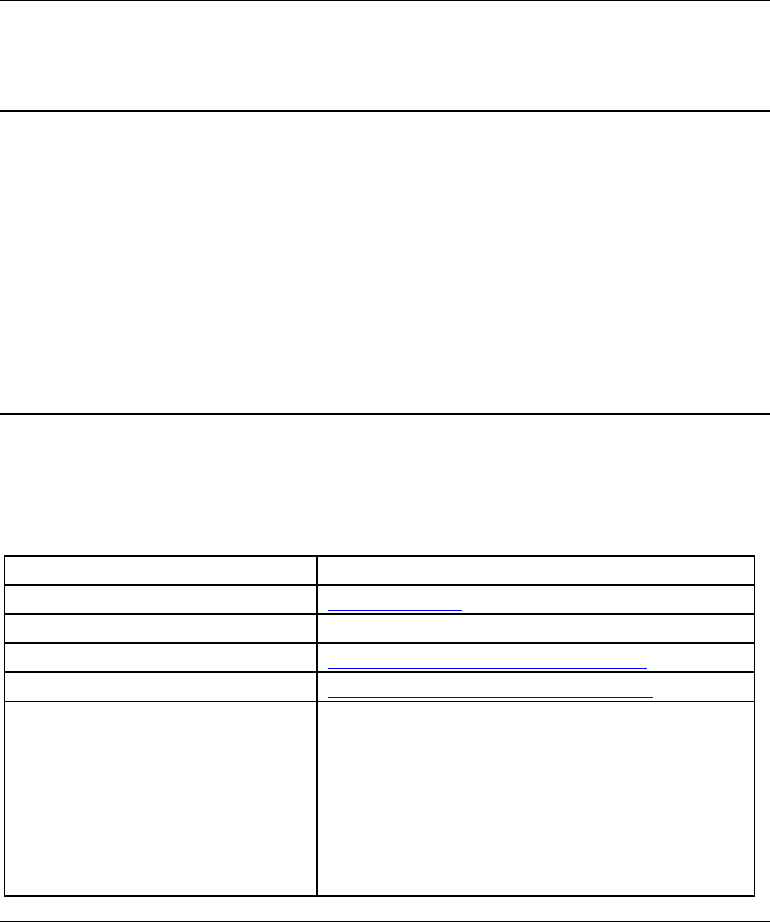
VIReC
VIReC provides information and referral to experts regarding VistA and other
databases and information systems being utilized for VA research. Email
questions to the VIReC Help Desk.
VIReC Contact Method
Contact Information
Help Desk Email
virec@va.gov
Help Desk Phone
708-202-2413
Internet website
http://www.virec.research.va.gov
Intranet website
http://vaww.virec.research.va.gov
Physical Address
VA Information Resource Center (151V)
Health Services Research and
Development Service
Department of Veterans Affairs
Edward Hines, Jr. VA Hospital
5000 South 5th Avenue
Hines, IL 60141

13
Works Cited
1. U.S. Department of Veterans Affairs, Office of Information and Technology,
Product Development Service Line. “VA Software Document Library.” (See
Appendix A for VA Intranet URL.) Accessed May 16, 2012.
http://www.va.gov/vdl/default.asp
2. Gandhi SK, Salmon W, Kong SX, Zhao SZ. Administrative databases and
outcomes assessment: An overview of issues and potential utility. Managed Care
Pharm. 1999 May;5(3): 215-222.
3. Sarrazin MS, Rosenthal, GE. Finding pure and simple truths with administrative
data. JAMA. 2012 Apr 4;307(13):1433-5.
4. U.S. Department of Veterans Affairs, VHA Office of Informatics and Analytics,
Data Quality Program. “Data Quality Program Home Page.” (See Appendix A
for VA Intranet URL.) Accessed May 16, 2012.
5. O’Malley KJ, Cook KF, Price MD, Wildes KR, Hurdle JF, Ashton CM.
Measuring diagnoses: ICD Code accuracy. Health Serv Res. 2005 October;
40(5 Pt 2): 1620–1639.
6. Hynes DM, Joseph, G, and Pfeil, C. Veterans Health Information Systems and
Technology Architecture (VistA) as a Research Tool. VIReC Insights. 2002;3(1):
1-8.
7. Noël PH, Copeland LA, Perrin RA, Lancaster AE, Pugh MJ, Wang C-P,
Bollinger MJ, Hazuda HP. VHA Corporate Data Warehouse height and weight
data: Opportunities and challenges for health services research. J Rehabil Res
Dev. 2010;47(8):793-50.
8. U.S. Department of Veterans Affairs, VHA Office of Research and
Development, Health Services Research and Development Service, VA
Information Resource Center. “Data Quality”.
http://www.virec.research.va.gov/DataQuality/Overview.htm. (Accessed June
28, 2012.)
9. U.S. Department of Veterans Affairs, Office of Informatics and Analytics,
Health Information Governance, National Data Systems, Health Information
Access Office. “Health Information Access – HIA.” (See Appendix A for VA
Intranet URL.) Accessed May 16, 2012.
10. U.S. Department of Veterans Affairs, Office of Information and Technology,
Product Development Service Line. “VistA Metadata Repository.” (See
Appendix A for VA Intranet URL.) Accessed May 16, 2012.
11. U.S. Department of Veterans Affairs, Office of Information and Technology,
Product Development Service Line. “VistA Monograph.”
http://www.va.gov/vista_monograph/. Accessed May 16, 2012.
Continued on next page

14
Works Cited, Continued
12. U.S. Department of Veterans Affairs, Office of Informatics and Analytics,
Health Information Governance, National Data Systems. “Corporate
Database Monograph.” (See Appendix A for VA Intranet URL.)
Accessed May 16, 2012.
13. U.S. Department of Veterans Affairs, Office of Information and
Technology, Product Development Service Line. “VistA Documentation
Library.” (See Appendix A for VA Intranet URL.) Accessed May 16,
2012.
14. U.S. Department of Veterans Affairs, Office of Information and
Technology, Business Intelligence Service Line, “Metadata.” (See
Appendix A for VA Intranet URL.) Accessed May 16, 2012.
15. Brown SH, Lincoln MJ, Groen PJ, and Kolodner RM, VistA-U.S.
Department of Veterans Affairs national-scale HIS. Int J Med Inf. 2003
Mar;69(2-3):135-56.
16. U.S. Department of Veterans Affairs, Office of Health Information.
“VeHU-VA’s Training Resource for the Electronic Health Record.”
http://www.vehu.va.gov/. Accessed May 16, 2012.
17. U.S. Department of Veterans Affairs, Office of Health Information.
“MyVeHUCampus.” www.myvehucampus.com. Accessed May 16, 2012.
18. U.S. Department of Veterans Affairs, Office of Information and
Technology, Product Development Service Line. “FileMan”
http://www.va.gov/vdl/application.asp?appid=5. Accessed May 16, 2012.
19. U.S. Department of Veterans Affairs, Office of Information and
Technology, Product Development Service Line. “VA FileMan Home.”
(See Appendix A for VA Intranet URL.) Accessed May 16, 2012.
20. U.S. Department of Veterans Affairs, Veterans Health Administration.
“Facility Locator and Leadership Directory.” (See Appendix A for VA
Intranet URL.) Accessed May 16, 2012.
Continued on next page
15
Appendix A
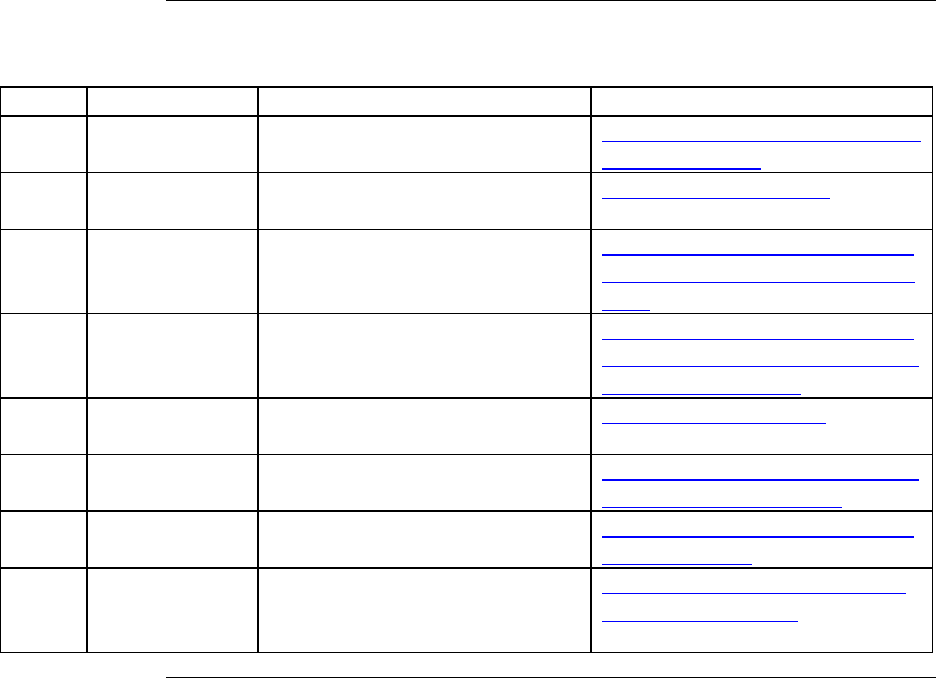
Table A1. VA Intranet Web sites referenced in this Guide.
Ref #
Date Accessed
Name of Reference
URL
4
May 16, 2012
“Data Quality Program Home
Page” Web page
http://vaww.vhaco.va.gov/dataqu
ality/default.htm
9
May 16, 2012
“Health Information Access –
HIA” Web page
http://vaww.va.gov/hia/
10
May 16, 2012
“VistA Metadata Repository”
database
http://vacodeve2.dva.va.gov/pls/
apex/f?p=1100:1:212152452702
2608
12
May 16, 2012
“Corporate Database
Monograph” database
http://vacodeve2.dva.va.gov/pls/
apex/f?p=NDS_MONOGRAPH:
1:929649074432930
13
May 16, 2012
“VistA Documentation Library”
Web page
http://www.va.gov/vdl/
14
May 16, 2012
“Metadata” Web page
http://vaww.dwh.cdw.portal.va.g
ov/metadata/default.aspx
19
May 16, 2012
“VA FileMan Home” Web page
http://vaww.vista.med.va.gov/fil
eman/index.asp
20
May 16, 2012
“Facility Locator and
Leadership Directory” Web
page
http://vaww1.va.gov/health/VA
MCIntranetSites.asp
