SecureJava User Manual Secure Java4User
User Manual:
Open the PDF directly: View PDF  .
.
Page Count: 43
Commercial-In-Confidence
Document Group Document Category Copy No.
SecurePay Technologies Software User Manual
Document Number Document Version Effective From
SEC-SPT-JAVA-SUM 4.3.1 11 October, 2006
Change and Approval Authority Department Manager
Document Approved for
Issue and Use _________________________
(Name – printed)
______________________
(Signature)
SECUREPAY TECHNOLOGIES
SECUREJAVA API
SOFTWARE USER MANUAL
PREPARED FOR
SECUREJAVA MERCHANTS
Commercial-In-Confidence
Document Number:
SEC-SPT-JAVA-SUM Document Version:
4.3.1 2 of 2 pages
SECUREPAY TECHNOLOGIES © SecurePay Pty Ltd
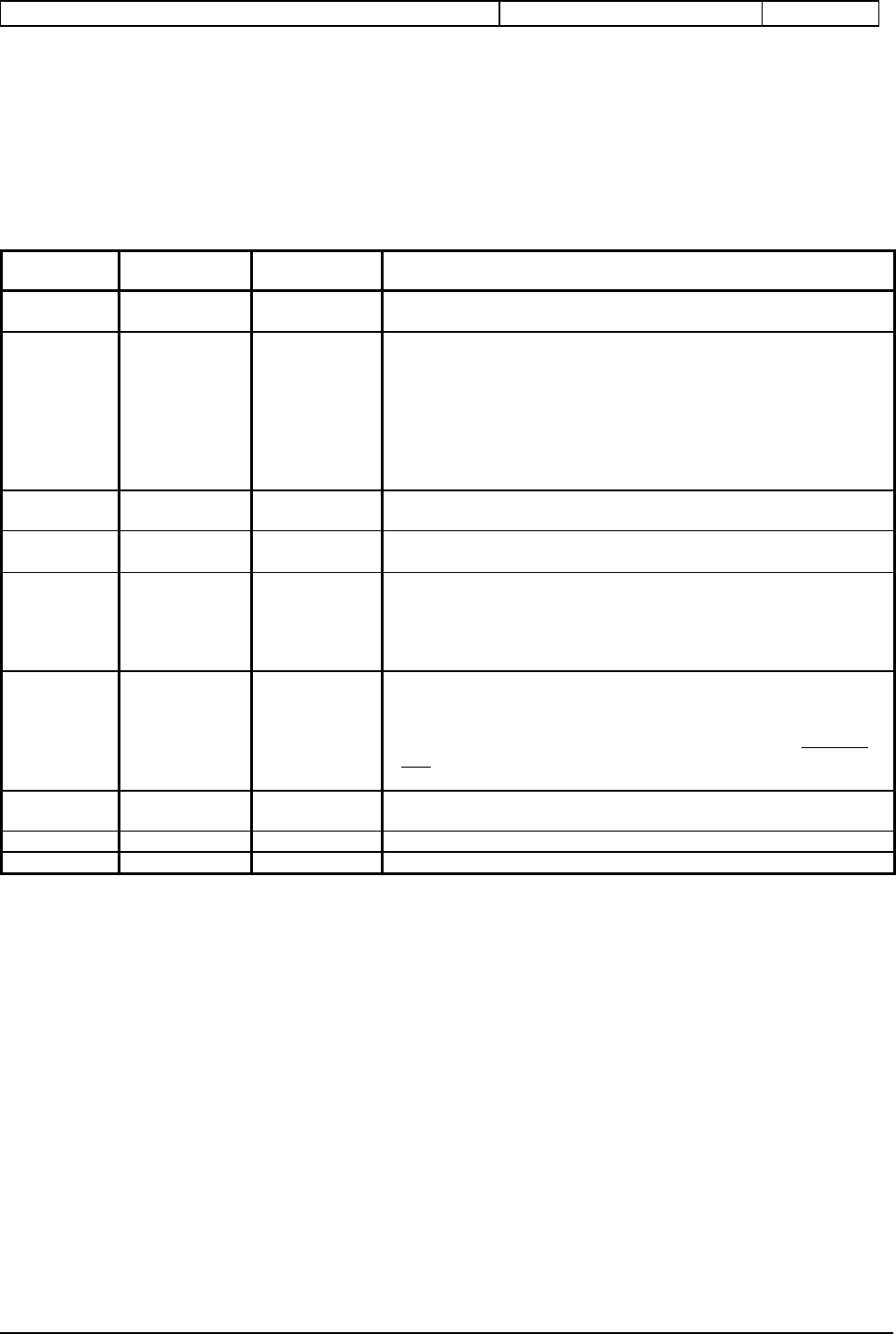
DOCUMENT REVISION HISTORY
Effective From
Author of
Change Version Change Description
20 Mar 2003 Andrew
McCutcheon 4.0 a Initial release of SecureJava with enhanced functionality to
production system.
16 Apr 2003 Andrew
McCutcheon 4.0.3 a • Added support for card-present payments, and “Track 2” data.
[4.2.1.2.3.7] [4.2.1.2.3.34] [Appendix A: Transaction Types]
• Requirement for password to be sent with all message types.
[4.2.1.1.2.10] [4.2.2.1.2.8]
• Ability to call process() repeatedly on an instance of an object.
[4.2.1.1.2.10] [4.2.2.1.2.8]
• Added Transaction Type Required Field Map to the document.
[4.2.1.2.1]
28 Jul 2003 Tom Dyjak 4.1 • Added support for Direct Entry payments (BSB and account
numbers, account name).
12 Nov 2003 Tom Dyjak 4.1 • Corrected Echo request description.
• Changed URLs in sample code.
19 Jan 2004 Andrew
McCutcheon 4.1.1 • Added support for multi-currency. Payment messages allow the
user to get and set currency codes.
[4.2.1.2.3.3] [4.2.1.2.3.27] [Appendix H: Currency Codes List]
Check with SecurePay for details on which banks are supported
for multi-currency at this time.
01 Jul 2004 Andrew
McCutcheon 4.1.2 • Updated currency code table to include examples of how
different currencies and amounts should be passed. [Appendix
H: Currency Codes List]
• Added method getAdditionalInfo() to Payment object, for future
use. [4.2.1.1.2.16]
• Added section on appropriate usage of Echo messages. [4.2.2.1]
8 Jul 2004 Tom Dyjak 4.1.2.1 • Added clarification on characters allowed in purchase order
number and account name fields for Direct Entry Transactions.
4 Feb 2005 Tom Dyjak 4.3 • Added support for antifraud transaction types
11 Oct 2006 Tom Dyjak 4.3.1 • Added support for cardless refunds

Commercial-In-Confidence
Document Number:
SEC-SPT-JAVA-SUM Document Version:
4.3.1 3 of 3 pages
SECUREPAY TECHNOLOGIES © SecurePay Pty Ltd
TABLE OF CONTENTS
1. INTRODUCTION........................................................................................................................ 5
1.1 SYSTEM OVERVIEW ..................................................................................................................... 5
1.2 DOCUMENT AUDIENCE ................................................................................................................. 5
2. SOFTWARE INTRODUCTION................................................................................................. 5
2.1 FUNCTIONALITY AVAILABLE .......................................................................................................... 5
2.1.1 Payment ............................................................................................................................5
2.1.2 Echo..................................................................................................................................6
2.2 COMMUNICATION & ENCRYPTION ................................................................................................. 6
3. SOFTWARE INSTALLATION................................................................................................... 7
3.1 PREREQUISITES........................................................................................................................... 7
3.2 SOFTWARE INVENTORY................................................................................................................ 7
3.3 INSTALLATION .............................................................................................................................. 7
4. SOFTWARE INTEGRATION.................................................................................................... 8
4.1 CLASSPATH SETUP ...................................................................................................................... 8
4.2 INTERFACE .................................................................................................................................. 8
4.2.1 Payments...........................................................................................................................8
4.2.1.1 securepay.jxa.api.Payment ...........................................................................................8
4.2.1.2 securepay.jxa.api.Txn ................................................................................................ 14
4.2.1.3 Payment Sample Code............................................................................................... 31
4.2.1.4 Refund Sample Code................................................................................................. 32
4.2.2 Echo................................................................................................................................ 34
4.2.2.1 securepay.jxa.api.Echo .............................................................................................. 34
4.2.2.2 Echo Sample Code .................................................................................................... 37
APPENDIX A: TRANSACTION TYPES........................................................................................... 39
APPENDIX B: TRANSACTION SOURCES..................................................................................... 39
APPENDIX C: CARD TYPES........................................................................................................... 40
APPENDIX D: LOCATION OF CVV ................................................................................................. 40
APPENDIX E: TIMESTAMP STRING FORMAT .............................................................................. 40
APPENDIX F: SECUREPAY STATUS CODES............................................................................... 41
APPENDIX G: THINLINK CODES.................................................................................................... 41
G.1 PAYMENT RESULT CODES............................................................................................................. 41
G.2 EVENT STATUS CODES ................................................................................................................. 41
APPENDIX H: CURRENCY CODES LIST ....................................................................................... 42
APPENDIX I: DIRECT ENTRY CHARACTER SET ......................................................................... 43

Commercial-In-Confidence
Document Number:
SEC-SPT-JAVA-SUM Document Version:
4.3.1 4 of 4 pages
SECUREPAY TECHNOLOGIES © SecurePay Pty Ltd

Commercial-In-Confidence
Document Number:
SEC-SPT-JAVA-SUM Document Version:
4.3.1 5 of 5 pages
SECUREPAY TECHNOLOGIES © SecurePay Pty Ltd
1. Introduction
1.1 System Overview
SecurePay‘s Payment Gateway allows SecurePay customers, or “merchants” to process credit card
payments in real time, with any of the six major Australian banks—Westpac (including Challenge Bank and
Bank of Melbourne), Commonwealth Bank, National Australia Bank, St George (including Bank of SA),
BankWest, and ANZ.
SecurePay’s Direct Entry Gateway allows SecurePay merchants to process direct entry payments. The
payments are stored in SecurePay database in real time but the processing between financial institutions
involved doesn’t take place until 5pm each weekday.
SecurePay provide many methods for customers to connect to our system, from hosted payment pages, IVR
telephone access, POS applications, as well as a simple API interface, allowing developers to build their
own products to access SecurePay’s Payment Server directly over an Internet connection.
This API, known as SecureJava, is written in the Sun Java programming language, and can run on any
computer with the Java Runtime Environment installed. Internet communication is done via a secure port
using SSL encryption.
SecureJava supports five (5) credit card transaction types: payment, refund, reversal (or “void”),
preauthorise, and preauthorise complete (or “advice”) and two (2) direct entry transaction types: debit and
credit. SecureJava also allows users to programmatically send an “echo” response to check the server’s
availability.
1.2 Document Audience
This document is intended for developers, integrating SecurePay’s SecureJava API into their own Java
applications, Java-based websites (such as servlets or JSP), or applications that are able to instantiate a
Java object and invoke its methods.
Knowledge of the Java programming language and the Java Virtual Machine is required for some sections of
this document.
2. Software Introduction
2.1 Functionality Available
SecureJava allows access, not only to payments, but various other features of the SecurePay system.
2.1.1 Payment
The Payment command allows merchants to pass financial credit card transaction messages to SecurePay’s
Payment Server, which will authorise the transaction with the merchant’s bank and customer’s card issuer,
and produce a response based on the banks’ authorisation of the transaction. The Payment command also
allows merchants to pass financial direct entry transaction messages to SecurePay’s system.
The Payment object can be used to send transactions of type:
• Credit Card Payment;
• Credit Card Refund;
• Credit Card Reversal (Void);
• Credit Card Preauthorise;
• Credit Card Preauthorise Complete (Advice);
• Antifraud,
• Direct Entry Debit;

Commercial-In-Confidence
Document Number:
SEC-SPT-JAVA-SUM Document Version:
4.3.1 6 of 6 pages
SECUREPAY TECHNOLOGIES © SecurePay Pty Ltd
• Direct Entry Credit.
2.1.2 Echo
The Echo message is used to verify that the SecurePay Payment Server port can be accessed. The Echo
message does not validate any data, but merely sends a request message to SecurePay, and receives a
response message if the SecurePay Server port is open.
2.2 Communication & Encryption
SecurePay’s Payment Server uses TCP/IP for communication with SecureJava.
Communications use SSL to encrypt messages, using SecurePay’s security certificate. When an SSL
connection is negotiated between the client and the server, if the certificates presented do not match, or the
certificate used is not present, has expired, or has been revoked, the connection will not be allowed.
Response messages are also encrypted and passed back via the same secure port, then decrypted by
SecureJava’s security certificate.

Commercial-In-Confidence
Document Number:
SEC-SPT-JAVA-SUM Document Version:
4.3.1 7 of 7 pages
SECUREPAY TECHNOLOGIES © SecurePay Pty Ltd
3. Software Installation
SecureJava has been built using Sun’s Java programming language. Java boasts full software portability,
allowing the same compiled software package to be run independently of the platform on which it is installed.
The SecureJava software package provided can therefore be run on Microsoft Windows, Unix, or Macintosh
platforms without recompiling.
3.1 Prerequisites
1. The installation machine must have the Java Runtime Environment (JRE) installed. SecureJava
currently runs on JRE versions 1.4 and later. The JRE can be downloaded free of charge from the
Sun website: http://java.sun.com
2. The installation machine, and any firewall, etc, in front of it, must be able to create an outbound
socket connection on the communications port, to the SecurePay Payment Server host. Standard
web communication ports will be used initially, however are subject to change in future releases.
Port 80 will be used on SecurePay’s Test Server, and port 443 on SecurePay’s Live Server.
3.2 Software Inventory
The software package contains the following files:
• securepayxmlapi_obf.jar • xmlParserAPIs-2.4.0.jar • xercesImpl-2.4.0.jar
• Base64.jar
3.3 Installation
1. Create a directory on the installation machine called “SecurePayAPI” in a location of your choice.
2. Copy all files listed in the Software Inventory (see 3.2) into this new directory.

Commercial-In-Confidence
Document Number:
SEC-SPT-JAVA-SUM Document Version:
4.3.1 8 of 8 pages
SECUREPAY TECHNOLOGIES © SecurePay Pty Ltd
4. Software Integration
4.1 Classpath Setup
Before running SecureJava, your Java classpath must be set to each of the JAR archives included in this
package. This can be done when executing the Java from the command line, e.g.:
Ø %JAVA_HOME%\bin\java –cp abc.jar;def.jar YourMainClass arg1 arg2
or, by setting the system environment variable “CLASSPATH” before running, e.g.:
Windows:
> set CLASSPATH=abc.jar;def.jar
Unix:
> setenv CLASSPATH abc.jar:def.jar
These commands may also be written in a batch file or shell script for your application.
4.2 Interface
4.2.1 Payments
4.2.1.1 securepay.jxa.api.Payment
The Payment object should be created first, and a Txn object added to it, containing details of the financial
transaction to be processed. The Payment object is then “submitted” to SecurePay to process the
transactions it contains.
4.2.1.1.1 Constructor
public Payment()
Create an empty Payment object to which Txns may be added.
Parameters:
No parameters required by this constructor.
4.2.1.1.2 Public Methods
4.2.1.1.2.1 getMessageId
public String getMessageId()
Returns the unique message identifier created by the API.
Input Parameters:
No input parameters are required by this method.
Return Parameter:
Type Description
String Unique identifier of this Payment object.
4.2.1.1.2.2 getMessageTimestamp
public Date getMessageTimestamp()
Returns the timestamp created by the API for the Payment in a Date object.
Input Parameters:
No input parameters are required by this method.
Commercial-In-Confidence
Document Number:
SEC-SPT-JAVA-SUM Document Version:
4.3.1 9 of 9 pages
SECUREPAY TECHNOLOGIES © SecurePay Pty Ltd
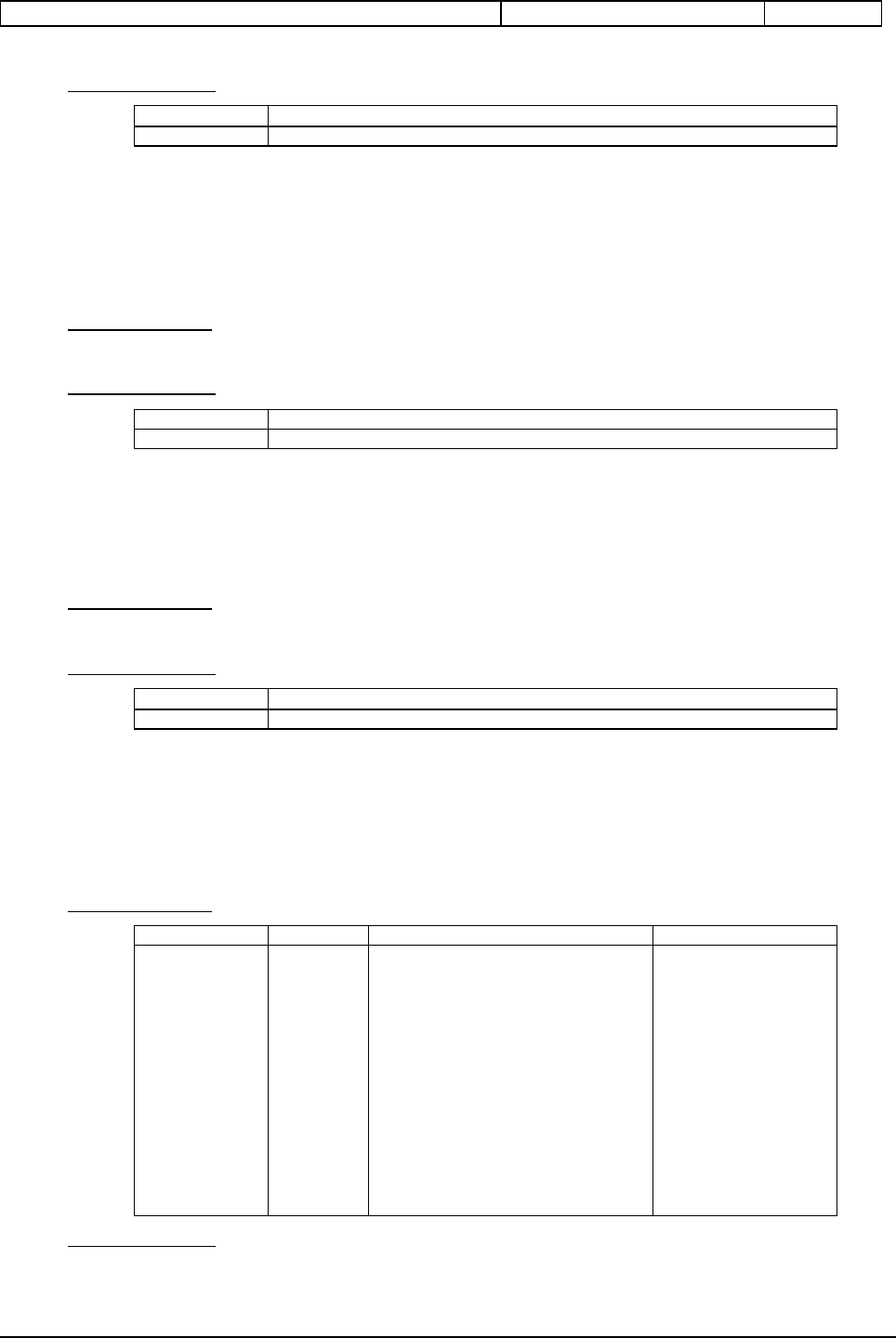
Return Parameter:
Type Description
Date Timestamp of this Payment object.
4.2.1.1.2.3 getMessageTimestampAsString
public String getMessageTimestampAsString()
Returns the timestamp created by the API for the Payment as a string. Refer to Appendix E:
Timestamp String Format for the format returned.
Input Parameters:
No input parameters are required by this method.
Return Parameter:
Type Description
String Timestamp of this Payment object.
4.2.1.1.2.4 getApiVersion
public String getApiVersion()
Returns the version of the API being used to create this object.
Input Parameters:
No input parameters are required by this method.
Return Parameter:
Type Description
String API version used to create this Payment object.
4.2.1.1.2.5 setMerchantId
public void setMerchantId(String id)
Sets the merchant id to be used when processing the payments. The merchant id must be set in
order for SecurePay to determine the bank account to which the funds should be settled.
Input Parameters:
Name Type Description Allowed Values
id String Merchant ID allocated to the
merchant by SecurePay. 7-character string in
format XXXDDDD,
where X is a letter (A-
Z) and D is a digit (0-
9). SecurePay will
supply this value to
you upon application.
For Direct Entry:
5-7 character string in
format XXXDDDD,
where X is a letter (A-
Z) and D is a digit (0-
9). Last two digits
can be ignored.
Return Parameter:
No object returned by this method.
Commercial-In-Confidence
Document Number:
SEC-SPT-JAVA-SUM Document Version:
4.3.1 10 of 10 pages
SECUREPAY TECHNOLOGIES © SecurePay Pty Ltd
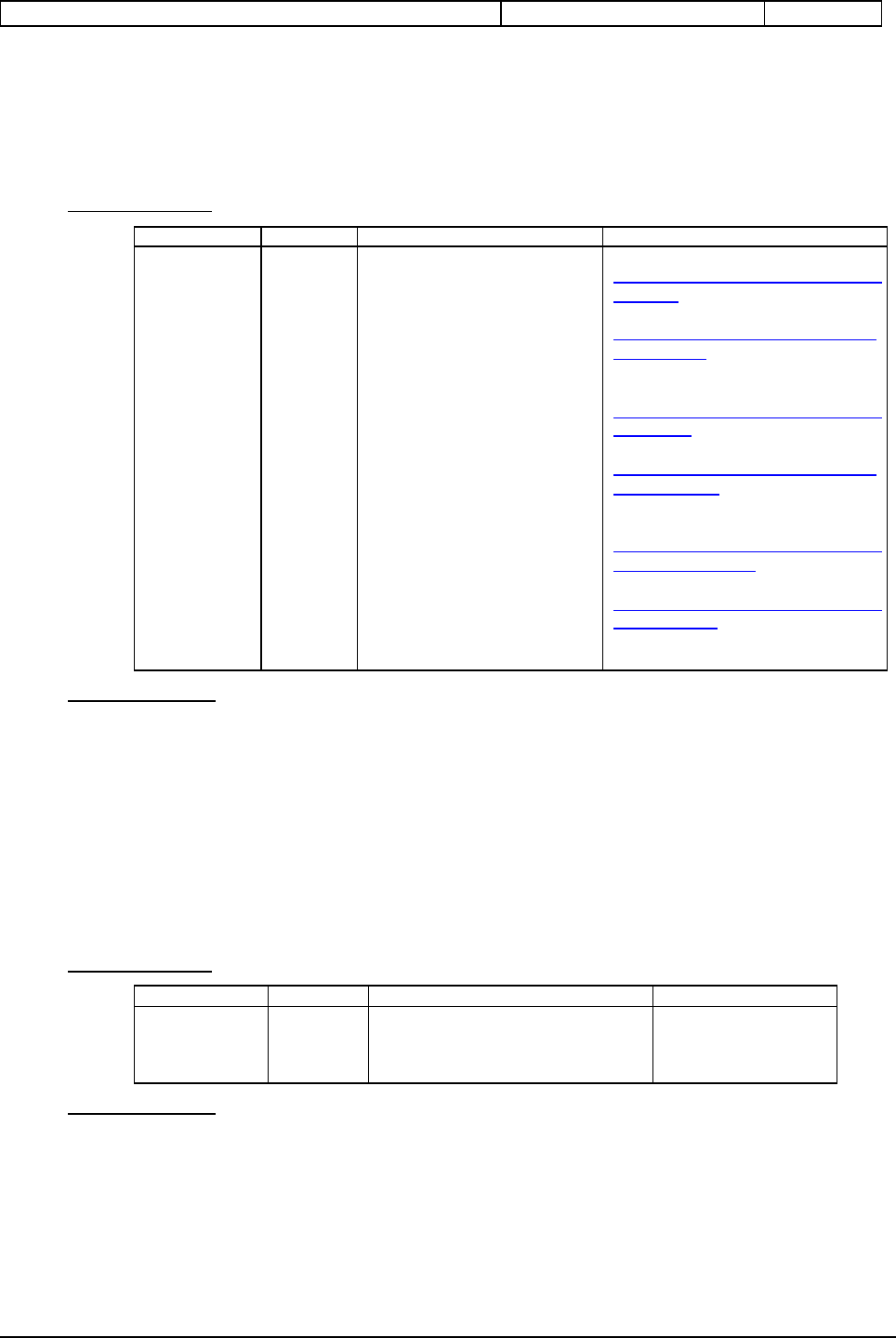
4.2.1.1.2.6 setServerURL
public void setServerURL(String url)
Sets the URL of the SecurePay Payment Server to which this object will be sent when process()
is called.
Input Parameters:
Name Type Description Allowed Values
url String URL of SecurePay’s Payment
Server or Direct Entry Server
in case of Direct Entry
payments.
Test:
https://www.securepay.com.au/test/
payment
Live:
https://www.securepay.com.au/xml
api/payment
For Direct Entry:
Test:
https://www.securepay.com.au/test/
directentry
Live:
https://www.securepay.com.au/xml
api/directentry
For Antifraud:
Test:
https://www.securepay.com.au/antif
raud_test/payment
Live:
https://www.securepay.com.au/antif
raud/payment
(Values are subject to change in
future releases.)
Return Parameter:
No object returned by this method.
4.2.1.1.2.7 setProcessTimeout
public void setProcessTimeout(int timeout)
Sets the timeout in seconds to wait for a response message from SecurePay’s server. If no
response is received in this time, a timeout response is returned, and transaction results may be
queried at a later time.
If value is not set, or is set to an integer < 0, default timeout of 80 seconds is used.
Input Parameters:
Name Type Description Allowed Values
timeout int Seconds to wait for SecurePay
response. Int < 0: default value
is used
Int >= 0: supplied
value is used.
Return Parameter:
No object returned by this method.
4.2.1.1.2.8 addTxn
public Txn addTxn(int txnType,
String ponum)
Adds a Txn object to the Payment and returns the object for configuration. If a Txn already exists
with the same txnType and ponum combination, NULL is returned.

Commercial-In-Confidence
Document Number:
SEC-SPT-JAVA-SUM Document Version:
4.3.1 11 of 11 pages
SECUREPAY TECHNOLOGIES © SecurePay Pty Ltd
IMPORTANT NOTE: The current version of SecurePay’s Payment Server allows only Payments containing a
single Txn object. Payments submitted with more than one Txn will be rejected with Status Code “577”.
Multiple transaction batching will be included in a future release, and will be advertised by SecurePay when
available. It is expected that no change will be required to the API to support multi-Txn batches.
As of SecureJava V4.0.3a, it is possible to create a Payment object, add a Txn to it, call process(), then add
another Txn and process() again, as many times as required on a single Payment object.
Since Direct Entry payments are sent to a different URL than credit card payments a separate instance of
Payment Class should be used for processing those payments.
For refunds and reversals the ponum field must be the same as the ponum used for the original payment.
For completes the ponum field must be the same as the ponum used for the original preauthorisation.
Input Parameters:
Name Type Description Allowed Values
TxnType int Integer representing the
transaction type to be
processed.
Refer to Appendix A:
Transaction Types
Ponum String Unique merchant transaction
identifier, typically an invoice
number.
Any alphanumeric string,
up to 60 characters in
length.
For Direct Entry:
Any string using
characters from
Appendix I: Direct Entry
Character set, up to 18
characters in length.
Return Parameter:
Type Description
Txn Instance of the Txn object added to the Payment.
If a Txn with the same identification already exists, then this object is
returned, otherwise a new instance is returned.
4.2.1.1.2.9 getTxn
public Txn getTxn(int txnType, String ponum)
Returns the Txn object from the Payment’s request queue (before calling process()) with a
matching txnType and ponum value. If no such Txn exists, NULL is returned. This method will
always return NULL after a call to process(), as the request queue will be empty.
Input Parameters:
Name Type Description Allowed Values
txnType int Integer representing the
transaction type to be
processed.
Refer to Appendix A:
Transaction Types
ponum String Unique merchant transaction
identifier, typically an invoice
number.
Any alphanumeric string,
up to 60 characters in
length.
Return Parameter:
Type Description
Txn Txn request object matching the txnType and ponum supplied, or NULL if
no such Txn exists.
4.2.1.1.2.10 process
public boolean process(String password)

Commercial-In-Confidence
Document Number:
SEC-SPT-JAVA-SUM Document Version:
4.3.1 12 of 12 pages
SECUREPAY TECHNOLOGIES © SecurePay Pty Ltd
Sends this Payment object and all contained Txns to SecurePay’s Payment Server for processing by
the bank. Method blocks until all transactions contained are processed and a response message is
received, or the process timeout expires (refer to 4.2.1.1.2.7).
As of SecureJava V4.0.3a, the password parameter must be passed to this method. Previous
releases of SecureJava V4.0.x which did not pass a password will no longer be compatible with the
SecurePay Payment Server, as it is now required that a password is used for all financial
transactions and echoes. The password can be changed via SecurePay’s Merchant Login website
by logging in as the “admin” user.
If the merchant Id and password sent do not match those stored in SecurePay’s database, the
response message will have a status code of “550”.
Input Parameters:
Name Type Description Allowed Values
password String The password is configured in
SecurePay’s database per
Merchant ID, and must match
the value passed by this
method for the message to be
accepted and processed.
The password is allocated
to you by SecurePay
when you receive this
software, and can be
changed via the Merchant
Login website.
Return Parameter:
Type Description
boolean true if message was sent to server correctly and processed (regardless of
the transactions’ outcome), and false if client-side errors occurred
preventing the object from being sent.
4.2.1.1.2.11 getStatusCode
public long getStatusCode()
Returns the status code of the Payment. Refer to Appendix F: SecurePay Status Codes for more
information.
Input Parameters:
No input parameters are required by this method.
Return Parameter:
Type Description
long Code representing the status of the Payment object after processing.
4.2.1.1.2.12 getStatusDesc
public String getStatusDesc()
Returns the status description of the Payment. Refer to Appendix F: SecurePay Status Codes for
more information.
Input Parameters:
No input parameters are required by this method.
Return Parameter:
Type Description
String Textual description of the status of the Payment object after processing.
Commercial-In-Confidence
Document Number:
SEC-SPT-JAVA-SUM Document Version:
4.3.1 13 of 13 pages
SECUREPAY TECHNOLOGIES © SecurePay Pty Ltd
4.2.1.1.2.13 toString
public String toString()
Returns the object with its parameters formatted in a readable string.
Input Parameters:
No input parameters are required by this method.
Return Parameter:
Type Description
String Textual representation of the Payment object.
4.2.1.1.2.14 getCount
public int getCount()
Returns the number of Txn objects contained in this Payment object. Before process() is called,
the number of Txn requests is returned. The number of Txn responses is given after a call to
process().
Input Parameters:
No input parameters are required by this method.
Return Parameter:
Type Description
Int Number of Txn objects
4.2.1.1.2.15 getTxn
public Txn getTxn(int index)
Returns the Txn object from the Payment at the indexth position. This method returns a Txn
request before calling process() or a Txn response after calling process().
Input Parameters:
Name Type Description Allowed Values
index int Index to the Txn object required. int between 0 and
getCount() – 1
Return Parameter:
Type Description
Txn Txn object from requested position.
4.2.1.1.2.16 getAdditionalInfo (Available in software v4.1.2, but not currently in use.)
public String getAdditionalInfo(int index, String fieldName)
Note: This field is not currently in use, and will return a null value if called. SecurePay will
release a list of available fields when they become available.
Returns the value of the specified field from the Txn object at the indexth position. If index is –1,
the field returned is from the Payment object itself.
Input Parameters:
Name Type Description Allowed Values

Commercial-In-Confidence
Document Number:
SEC-SPT-JAVA-SUM Document Version:
4.3.1 14 of 14 pages
SECUREPAY TECHNOLOGIES © SecurePay Pty Ltd
index int Index to the Txn object required, or
–1 to reference the Payment object
itself.
int between –1 and
getCount() – 1
fieldName String Name of field to return from the
object specified by index. Valid field name.
Return Parameter:
Type Description
String Value of field requested, or null if the field does not exist in the
message.
4.2.1.2 securepay.jxa.api.Txn
The Txn object is returned when addTxn(…) is called from a Payment object. The required fields of this
object must be set using “set” functions provided, as described below. When the Payment is submitted and
processed, the result parameters of the Txn can be retrieved using the “get” methods described.
4.2.1.2.1 Transaction Type Required Field Map
The following table specifies which transaction parameters must be set for each available Txn type.
Parameters are mandatory, optional, or not required.
Standard
Payment
Refund
Reversal
Preauthorise
Complete
(Advice)
Recurring
Payment
Card-Present
Payment
Direct Entry
Debit Payment
Direct Entry
Credit
Payment
Antifraud
Payment
Antifraud Only
Request
TXN
TYPE
METHOD 0 4 6 10 11 14 19 15 17 21 22
setTxnSource O O O O O O O O O O O
setAmount M M M M M M M M M M M
setCurrencyCode O X X O X O O X X O O
setCardNumber M X X M X M M X X M M
SetCVV O O O O O O O X X O O
setExpiryDate M O O M O O M X X M M
setTrack2Data X X X X X X M X X X X
SetXID O O O O O O O X X X X
SetCAVV O O O O O O O X X X X
SetSLI O O O O O O O X X X X
SetTxnId X M M X X X X X X X X
setPreauthCode X X X X M X X X X X X
setBsbNumber X X X X X X X M M X X
setAccountNumber X X X X X X X M M X X
setAccountName X X X X X X X M M X X
setFirstName X X X X X X X X X O O
setLastName X X X X X X X X X O O
setZipCode X X X X X X X X X O O
setTown X X X X X X X X X O O
setBillingCountry X X X X X X X X X O O
setDeliveryCountry X X X X X X X X X O O
setEmailAddress X X X X X X X X X O O
setIp X X X X X X X X X M M
M = mandatory O = optional X = not required
(ignored if set)

Commercial-In-Confidence
Document Number:
SEC-SPT-JAVA-SUM Document Version:
4.3.1 15 of 15 pages
SECUREPAY TECHNOLOGIES © SecurePay Pty Ltd
IMPORTANT NOTE:
For refunds and reversals the ponum field must be the same as the ponum used for the original
payment.
For completes the ponum field must be the same as the ponum used for the original preauthorisation.
The ponum field is set using addTxn method on the Payment object.
4.2.1.2.2 Constructor
The Txn object cannot be constructed directly. It must be created by calling addTxn(…) in the Payment
object.
4.2.1.2.3 Public Methods
4.2.1.2.3.1 setTxnSource
public void setTxnSource(int value)
Sets the transaction source for this transaction. Source is used for transaction origin tracking. This
field is optional, and is set to 0, “Unknown”, by default.
Input Parameters:
Name Type Description Allowed Values
value int Transaction source Refer to Appendix B:
Transaction Sources
Return Parameter:
No object returned by this method.
4.2.1.2.3.2 setAmount
public void setAmount(String value)
Sets the amount associated with this financial transaction. Amount is supplied with no currency
formatting, in the currency’s smallest denomination. If using the default currency of Australian
Dollars (AUD), the amount is set in Australian cents. E.g. an amount of AU$125.40 would be set
calling:
txn.setAmount(“12540”);
Note for Multi-Currency Users: For examples of how other currency codes affect the value set
in this field, and how many minor units to pass for each currency type, see Appendix H:
Currency Codes List. (You must fulfil certain requirements with your bank and SecurePay
before using the multi-currency features. Contact SecurePay Support for further details.)
Input Parameters:
Name Type Description Allowed Values
Value String Transaction amount in Australian
cents. String representing a
number > 0, with no
whitespace or currency
formatting.
Return Parameter:
No object returned by this method.
4.2.1.2.3.3 setCurrencyCode (Approved Multi-Currency merchants only)
public void setCurrencyCode(String value)

Commercial-In-Confidence
Document Number:
SEC-SPT-JAVA-SUM Document Version:
4.3.1 16 of 16 pages
SECUREPAY TECHNOLOGIES © SecurePay Pty Ltd
Note: Before setting this value, check with SecurePay to find out if we support multi-currency
transactions through your bank, and what currency codes they allow. You may need to open
a special multi-currency account with your bank to allow payments in other currencies.
(Contact SecurePay Support for further details.)
Note: When doing Refunds, Reversals, and Advice (Preauth Complete), the currency code is
not required. The currency will be determined from the original currency used for the
Payment or Preauthorisation transaction.
Sets the 3-character currency code associated with this financial transaction. If this field is not set,
the default currency will be “AUD” (Australian Dollars). To modify the transaction to use Euro, for
example, use the following code:
txn.setCurrencyCode(“EUR”);
Currency codes are in all uppercase. The complete list of supported currencies, and the appropriate
amount field formatting for each currency, is supplied in Appendix H: Currency Codes List.
Input Parameters:
Name Type Description Allowed Values
Value String Transaction currency code. One of the valid 3-letter
codes provided in the
Appendix to this
document.
Return Parameter:
No object returned by this method.
4.2.1.2.3.4 setCardNumber
public void setCardNumber(String value)
Only for Credit Card transactions.
Sets the credit card number for this financial transaction. The card number is not required for
refunds, reversals and complete transactions. As these transaction types can only be performed on
an existing transaction (payment or preauthorisation) SecurePay already has a record of the card
number used.
Input Parameters:
Name Type Description Allowed Values
value String Customer’s credit card number. String of digits, no
whitespace.
13-16 characters.
String must pass
Luhn algorithm.
Return Parameter:
No object returned by this method.
4.2.1.2.3.5 setCVV
public void setCVV(String value)
Only for Credit Card transactions.
Sets the Card Verification Value for this financial transaction. This field is optional. The CVV value
assists the bank with detecting fraudulent transactions based on automatically generated card
numbers, as the CVV number is printed on the physical card and cannot be generated in conjunction
with a card number. If passed, the bank may check the supplied value against the value recorded
against the card. See Appendix D: Location of CVV.

Commercial-In-Confidence
Document Number:
SEC-SPT-JAVA-SUM Document Version:
4.3.1 17 of 17 pages
SECUREPAY TECHNOLOGIES © SecurePay Pty Ltd
Input Parameters:
Name Type Description Allowed Values
value String Customer’s credit card CVV
number. 3 or 4 digit string, no
whitespace.
NULL or empty string
is also valid.
Return Parameter:
No object returned by this method.
4.2.1.2.3.6 setExpiryDate
public void setExpiryDate(String value)
Only for Credit Card transactions.
Sets the credit card expiry date for this financial transaction. The expiry date is optional for refunds,
reversals, recurring payments and complete transactions. As refunds, reversals and completes are
transaction types that can only be performed on an existing transaction (payment or
preauthorisation) SecurePay already has a record of the expiry date used. Expiry date can be set if
the credit card has been re-issued with a new expiry date.
Input Parameters:
Name Type Description Allowed Values
value String Customer’s credit card expiry date. 5-character string in
format MM/YY, where
MM is a 2 digit month
value (January = 01),
YY is a 2 digit year
value (2003 = 03).
NULL or empty string
is also valid for
Recurring
transactions.
Return Parameter:
No object returned by this method.
4.2.1.2.3.7 setTrack2Data (Card-Present transactions only)
public void setTrack2Data(String value)
Only for Credit Card transactions.
Set the data read from Track 2 of the magnetic strip on the customer’s physical credit card by a
card-reading device. Track 2 data is required only for merchants using a card-reading device to
perform card-present transactions. For card-present transactions, the Transaction Type must also
be set to Card Present (see

Commercial-In-Confidence
Document Number:
SEC-SPT-JAVA-SUM Document Version:
4.3.1 18 of 18 pages
SECUREPAY TECHNOLOGIES © SecurePay Pty Ltd
Appendix A: Transaction Types).
Input Parameters:
Name Type Description Allowed Values
value String Data retrieved from “track 2” on the
credit card’s magnetic strip.
Return Parameter:
No object returned by this method.
4.2.1.2.3.8 setXID (3D-Secure merchants only)
public void setXID(String value)
Only for Credit Card transactions.
Set the 3D-Secure XID (transacion ID) for this financial transaction. The XID is required only for
merchants enrolled in the 3D-Secure program. The XID field must be a 20-byte String, matching the
unique XID passed to the card issuer before sending this transaction, using any 3D-Secure-enabled
software.
Input Parameters:
Name Type Description Allowed Values
Value String Transaction’s XID, as supplied to
card issuer prior to sending the
financial transaction.
Any 20-byte String
Return Parameter:
No object returned by this method.
4.2.1.2.3.9 setCAVV (3D-Secure merchants only)
public void setCAVV(String value)
Only for Credit Card transactions.
Set the 3D-Secure Cardholder Authorisation Verification Value for this financial transaction. The
CAVV is required only for merchants enrolled in the 3D-Secure program. The CAVV field must be a
28-character Base-64-encoded string, matching the CAVV generated by 3D-Secure-enabled
software before sending this financial transaction.
Input Parameters:
Name Type Description Allowed Values
Value String Transaction’s CAVV, as supplied
by card issuer prior to sending the
financial transaction.
28-character Base-
64-encoded string.
Return Parameter:
No object returned by this method.
4.2.1.2.3.10 setSLI (3D-Secure merchants only)
public void setSLI(String value)
Only for Credit Card transactions.
Set the 3D-Secure Service Level Indicator for this financial transaction. The SLI is required only for
merchants enrolled in the 3D-Secure program. The SLI field must be a 2-digit string, matching the
SLI (or ECI) returned by the 3D-Secure-enabled software, prior to sending this financial transaction.

Commercial-In-Confidence
Document Number:
SEC-SPT-JAVA-SUM Document Version:
4.3.1 19 of 19 pages
SECUREPAY TECHNOLOGIES © SecurePay Pty Ltd
Input Parameters:
Name Type Description Allowed Values
Value String Transaction’s SLI, as supplied by
card issuer prior to sending the
financial transaction.
2-digit String.
Return Parameter:
No object returned by this method.
4.2.1.2.3.11 setTxnId
public void setTxnId()
Only for Credit Card transactions.
For Refunds and Reversals only.
Set the original bank transaction ID of a payment in order to refund or reverse the payment. Field
must be set for refunds or reversals to work, and must match the original payment transaction ID.
Input Parameters:
Name Type Description Allowed Values
value String Bank transaction ID of the original
payment transaction. 6-30 character string
Return Parameter:
No object returned by this method.
4.2.1.2.3.12 setPreauthCode
public void setPreauthCode()
Only for Credit Card transactions.
For Preauth Completes (Advice) only.
Set the original authorisation code of a preauth in order to complete the payment. Field must be set
for preauth complete to work, and must match the original preauth authorisation ID.
Input Parameters:
Name Type Description Allowed Values
Value String Preauth ID of the original preauth
transaction. 6 character string
Return Parameter:
No object returned by this method.
4.2.1.2.3.13 setBsbNumber
public void setBsbNumber()
Only for Direct Entry transactions.
Sets BSB number for financial institution.
Input Parameters:
Name Type Description Allowed Values
value String BSB number Numerical.
6 character string
Return Parameter:

Commercial-In-Confidence
Document Number:
SEC-SPT-JAVA-SUM Document Version:
4.3.1 20 of 20 pages
SECUREPAY TECHNOLOGIES © SecurePay Pty Ltd
No object returned by this method.
4.2.1.2.3.14 setAccountNumber
public void setAccountNumber()
Only for Direct Entry transactions.
Sets account number for financial institution.
Input Parameters:
Name Type Description Allowed Values
value String Account number Numerical.
4-9 character string
Return Parameter:
No object returned by this method.
4.2.1.2.3.15 setAccountName
public void setAccountName()
Only for Direct Entry transactions.
Sets account name for financial institution.
Input Parameters:
Name Type Description Allowed Values
Value String Account name String using
characters from
Appendix I: Direct
Entry Character
set, up to 32
characters in length.
Return Parameter:
No object returned by this method.
4.2.1.2.3.16 setFirstName
public void setFirstName()
Only for antifraud transactions.
Sets customer’s first name.
Input Parameters:
Name Type Description Allowed Values
Value String Customer’s first name String, max length 40.
Return Parameter:
No object returned by this method.
4.2.1.2.3.17 setLastName
public void setFirstName()
Only for antifraud transactions.
Sets customer’s last name.
Commercial-In-Confidence
Document Number:
SEC-SPT-JAVA-SUM Document Version:
4.3.1 21 of 21 pages
SECUREPAY TECHNOLOGIES © SecurePay Pty Ltd
Input Parameters:
Name Type Description Allowed Values
Value String Customer’s last name String, max length 40.
Return Parameter:
No object returned by this method.
4.2.1.2.3.18 setZipCode
public void setZipCode()
Only for antifraud transactions.
Sets customer’s address zip code or postal code.
Input Parameters:
Name Type Description Allowed Values
Value String Customer’s address zip code or
postal code String, max length 30.
Return Parameter:
No object returned by this method.
4.2.1.2.3.19 setTown
public void setTown()
Only for antifraud transactions.
Sets billing or delivery town of the buyer.
Input Parameters:
Name Type Description Allowed Values
Value String Billing or delivery town of the buyer String, max length 60.
Return Parameter:
No object returned by this method.
4.2.1.2.3.20 setBillingCountry
public void setBillingCountry()
Only for antifraud transactions.
Sets ISO country code of the billing address.
Input Parameters:
Name Type Description Allowed Values
Value String ISO country code of the billing
address. 3 digit numeric ISO
code or 2 or 3 alpha
character ISO code.
Return Parameter:
No object returned by this method.
4.2.1.2.3.21 setDeliveryCountry
public void setDeliveryCountry()
Commercial-In-Confidence
Document Number:
SEC-SPT-JAVA-SUM Document Version:
4.3.1 22 of 22 pages
SECUREPAY TECHNOLOGIES © SecurePay Pty Ltd
Only for antifraud transactions.
Sets ISO country code of the delivery address.
Input Parameters:
Name Type Description Allowed Values
Value String ISO country code of the delivery
address. 3 digit numeric ISO
code or 2 or 3 alpha
character ISO code.
Return Parameter:
No object returned by this method.
4.2.1.2.3.22 setEmailAddress
public void setEmailAddress()
Only for antifraud transactions.
Sets email address of the customer.
Input Parameters:
Name Type Description Allowed Values
Value String Customer’s email address. String, max length
100.
Return Parameter:
No object returned by this method.
4.2.1.2.3.23 setIp
public void setTown()
Only for antifraud transactions.
IP address from which the transaction originated.
Input Parameters:
Name Type Description Allowed Values
Value String IP address from which the
transaction originated. String, max length 15,
must contain 3 p
Return Parameter:
No object returned by this method.
4.2.1.2.3.24 getTxnType
public int getTxnType()
Returns the transaction type for this transaction. Refer to

Commercial-In-Confidence
Document Number:
SEC-SPT-JAVA-SUM Document Version:
4.3.1 23 of 23 pages
SECUREPAY TECHNOLOGIES © SecurePay Pty Ltd
Appendix A: Transaction Types for values of this field.
Input Parameters:
No input parameters are required by this method.
Return Parameter:
Type Description
int Integer representing the transaction type of this Txn.
4.2.1.2.3.25 getTxnSource
public int getTxnSource()
Returns the transaction source for this transaction. Refer to Appendix B: Transaction Sources for
values of this field.
Input Parameters:
No input parameters are required by this method.
Return Parameter:
Type Description
int Integer representing the source of the transaction.
4.2.1.2.3.26 getAmount
public String getAmount()
Returns the amount associated with this financial transaction. Amount is returned with no currency
formatting, in the smallest denomination of the transaction’s specified currency. The currency of the
transaction is determined using getCurrencyCode(), described below. If no currency was
specified when making the payment, the default is Australian Dollars (AUD). E.g. an amount of
AUD$125.40 would be returned in Australian cents, as “12540”.
Input Parameters:
No input parameters are required by this method.
Return Parameter:
Type Description
String The amount of the financial transaction with no currency formatting, in the
smallest denomination of its specified currency.
NULL if the amount has not been set.
4.2.1.2.3.27 getCurrencyCode
public String getCurrencyCode()
Returns the 3-character currency identifier associated with this financial transaction.
If process() has not yet been called on this Payment, this method will only return a value if
setCurrencyCode() has been called; otherwise it will return NULL, implying the default value of
“AUD” (Australian Dollars).
If process() has been called, this method will return the currency code that was used for the
payment. If the currency code was not set, the default of “AUD” (Australian Dollars) will be returned.
See valid currency code table in Appendix J.
Note: If process() has been called and the payment was approved AND this method still
returns NULL, then the payment was sent to a SecurePay URL which does not yet support

Commercial-In-Confidence
Document Number:
SEC-SPT-JAVA-SUM Document Version:
4.3.1 24 of 24 pages
SECUREPAY TECHNOLOGIES © SecurePay Pty Ltd
multi-currency, and the payment has been processed in Australian Dollars. You will need to
refund the payment in Australian Dollars if this was done in error.
Input Parameters:
No input parameters are required by this method.
Return Parameter:
Type Description
String The 3-letter currency code of the financial transaction.
NULL if the currency has not been set and process() has not yet been
called, indicating Australian Dollars will be used by default; or if the
payment HAS been processed but the SecurePay URL does not support
multi-currency yet.
4.2.1.2.3.28 getPonum
public String getPonum()
Returns the purchase order number for this transaction.
Input Parameters:
No input parameters are required by this method.
Return Parameter:
Type Description
String The purchase order number referring to the transaction.
NULL if the purchase order number has not been set.
4.2.1.2.3.29 getCardNumber
public String getCardNumber()
For Credit Card transactions:
Returns the truncated credit card number, as stored in SecurePay’s database. This is the first 6 and
last 3 digits of the original card number, separated by “…”. E.g. Setting a card number as:
txn.setCardNumber(“4444333322221111”);
then a call to:
txn.getCardNumber();
returns “444433...111”.
For Direct Entry transactions in Payment requests:
Returns NULL.
Input Parameters:
No input parameters are required by this method.
Return Parameter:
Type Description
String The truncated credit card number or BSB and account numbers of this
financial transaction.
NULL if the card number has not been set.
4.2.1.2.3.30 getCardType
public int getCardType()

Commercial-In-Confidence
Document Number:
SEC-SPT-JAVA-SUM Document Version:
4.3.1 25 of 25 pages
SECUREPAY TECHNOLOGIES © SecurePay Pty Ltd
Only for Credit Card transactions.
Returns an integer representing the type of card used. Refer to Appendix C: Card Types for values
of this field.
Input Parameters:
No input parameters are required by this method.
Return Parameter:
Type Description
int The credit card type code of the card number used.
4.2.1.2.3.31 getCardDescription
public int getCardDescription()
Only for Credit Card transactions.
Returns a textual description of card used, or NULL if transaction has not been processed yet.
Input Parameters:
No input parameters are required by this method.
Return Parameter:
Type Description
String Description of the type of credit card used.
4.2.1.2.3.32 getCVV
public String getCVV()
Only for Credit Card transactions.
Returns the Card Verification Value of the financial transaction. After the transaction has been
processed, this method will return NULL, as this value should not be logged, and is not stored by
SecurePay.
Input Parameters:
No input parameters are required by this method.
Return Parameter:
Type Description
String The Card Verification Value of this financial transaction.
NULL if the value has not been set, or if the transaction has been
processed.
4.2.1.2.3.33 getExpiryDate
public String getExpiryDate()
Only for Credit Card transactions.
Returns the credit card expiry date of the financial transaction.
Input Parameters:
No input parameters are required by this method.
Return Parameter:
Type Description
String
The credit card expiry date of this financial transaction.
NULL if the value has not been set, or if the expiry date was not sent with
a recurring payment.
Commercial-In-Confidence
Document Number:
SEC-SPT-JAVA-SUM Document Version:
4.3.1 26 of 26 pages
SECUREPAY TECHNOLOGIES © SecurePay Pty Ltd
a recurring payment.
4.2.1.2.3.34 getTrack2Data (Card-Present transactions only)
public void getTrack2Data()
Only for Credit Card transactions.
Track 2 of the magnetic strip on the customer’s physical credit card, as passed in by
setTrack2Data(). After the transaction has been processed, this method will return NULL, as
SecurePay does not store this data.
Input Parameters:
No input parameters are required by this method.
Return Parameter:
Type Description
String The Track 2 data from the magnetic strip on the customer’s credit card.
NULL if the value has not been set, or if the transaction has already been
processed.
4.2.1.2.3.35 getXID (3D-Secure merchants only)
public String getXID()
Only for Credit Card transactions.
Returns the 3D-Secure XID (transaction id) of the financial transaction. After the transaction has
been processed, this method will return NULL, as this value should not be logged, and is not stored
by SecurePay.
Input Parameters:
No input parameters are required by this method.
Return Parameter:
Type Description
String The 3D-Secure XID of this financial transaction.
NULL if the value has not been set, or if the transaction has already been
processed.
4.2.1.2.3.36 getCAVV (3D-Secure merchants only)
public String getCAVV()
Only for Credit Card transactions.
Returns the 3D-Secure Cardholder Authorisation Verification Value of the financial transaction. After
the transaction has been processed, this method will return NULL, as this value should not be
logged, and is not stored by SecurePay.
Input Parameters:
No input parameters are required by this method.
Return Parameter:
Type Description
String The 3D-Secure CAVV of this financial transaction.
NULL if the value has not been set, or if the transaction has already been
processed.

Commercial-In-Confidence
Document Number:
SEC-SPT-JAVA-SUM Document Version:
4.3.1 27 of 27 pages
SECUREPAY TECHNOLOGIES © SecurePay Pty Ltd
4.2.1.2.3.37 getSLI (3D-Secure merchants only)
public String getSLI()
Only for Credit Card transactions.
Returns the 3D-Secure Service Level Indicator (or ECI, E-Commerce Indicator) of the financial
transaction. After the transaction has been processed, this method will return NULL, as this value
should not be logged, and is not stored by SecurePay.
Input Parameters:
No input parameters are required by this method.
Return Parameter:
Type Description
String The 3D-Secure SLI (or ECI) of this financial transaction.
NULL if the value has not been set, or if the transaction has already been
processed.
4.2.1.2.3.38 getBsbNumber
public String getBsbNumber()
Only for Direct Entry transactions in Payment request.
Returns the BSB number for this transaction.
Input Parameters:
No input parameters are required by this method.
Return Parameter:
Type Description
String The BSB number referring to the transaction.
NULL if the BSB number has not been set.
4.2.1.2.3.39 getAccountNumber
public String getAccountNumber()
Only for Direct Entry transactions in Payment request.
Returns the account number for this transaction.
Input Parameters:
No input parameters are required by this method.
Return Parameter:
Type Description
String The account number referring to the transaction.
NULL if the account number has not been set.
4.2.1.2.3.40 getAccountName
public String getAccountName()
Only for Direct Entry transactions in Payment request.
Returns the account name for this transaction.
Input Parameters:
No input parameters are required by this method.

Commercial-In-Confidence
Document Number:
SEC-SPT-JAVA-SUM Document Version:
4.3.1 28 of 28 pages
SECUREPAY TECHNOLOGIES © SecurePay Pty Ltd
Return Parameter:
Type Description
String The account name referring to the transaction.
NULL if the account name has not been set.
4.2.1.2.3.41 getAntiFraudResponseCode
public String getAntiFraudResponseCode()
Only for antifraud transactions in Payment request.
Returns the response code of the antifraud verification. This will be a 3-digit response from
SecurePay’s server or API. The method getAntiFraudResponseText() provides more details in
a textual format.
Refer to the SecurePay Payment Response Codes document for details of codes returned. This
document may be downloaded from SecurePay’s Merchant Login website, or provided via email by
SecurePay Merchant Support.
If the antifraud verification failed, the transaction will not be sent to the bank and therefore there will
be no values returned by methods such as getResponseCode(), getResponseText(),
getSettlementDate(), isApproved(), getTxnId().
Input Parameters:
No input parameters are required by this method.
Return Parameter:
Type Description
String 3-digit SecurePay / gateway response.
4.2.1.2.3.42 getAntiFraudResponseText
public String getAntiFraudResponseText()
Returns a textual description of the antifraud response code received.
Input Parameters:
No input parameters are required by this method.
Return Parameter:
Type Description
String Description of antifraud response received.
4.2.1.2.3.43 getApproved
public boolean getApproved()
Returns a boolean representing the financial result of the transaction.
Input Parameters:
No input parameters are required by this method.
Return Parameter:
Type Description
boolean true if the payment was authorised by the merchant bank and customer
card issuer, or false in any other case.
4.2.1.2.3.44 getResponseCode

Commercial-In-Confidence
Document Number:
SEC-SPT-JAVA-SUM Document Version:
4.3.1 29 of 29 pages
SECUREPAY TECHNOLOGIES © SecurePay Pty Ltd
public String getResponseCode()
Returns the response code of the transaction. This is either a 2-digit response (00-99) from the
bank, a 3-digit response (100-299) from SecurePay’s server or API, or a 3-digit response (900-999)
mapped from SecurePay’s bank link responses. The method getResponseText() provides more
details in a textual format.
Refer to the SecurePay Payment Response Codes document for details of codes returned. This
document may be downloaded from SecurePay’s Merchant Login website, or provided via email by
SecurePay Merchant Support.
Input Parameters:
No input parameters are required by this method.
Return Parameter:
Type Description
String 2-digit bank response or 3-digit SecurePay / gateway response.
4.2.1.2.3.45 getResponseText
public String getResponseText()
Returns a textual description of the response code received for the transaction.
Input Parameters:
No input parameters are required by this method.
Return Parameter:
Type Description
String Description of response received from API, SecurePay, or bank.
NULL if the transaction has not yet been processed.
4.2.1.2.3.46 getThinlinkResponseCode
public String getThinlinkResponseCode()
Only for Credit Card transactions.
Maps SecurePay’s response code field to a Westpac Thinlink Payment Result Code for ex-Thinlink
users. Refer to G.1 Payment Result Codes for details of codes returned.
Input Parameters:
No input parameters are required by this method.
Return Parameter:
Type Description
String 3-digit Thinlink Payment Result Code
4.2.1.2.3.47 getThinlinkResponseText
public String getThinlinkResponseText()
Only for Credit Card transactions.
In accordance with Thinlink, this method always returns “000”, meaning “No further information
available”. Additional codes may be added in future.
Input Parameters:
No input parameters are required by this method.
Return Parameter:
Commercial-In-Confidence
Document Number:
SEC-SPT-JAVA-SUM Document Version:
4.3.1 30 of 30 pages
SECUREPAY TECHNOLOGIES © SecurePay Pty Ltd
Type Description
String 3-digit Thinlink Payment Result Description (“000”).
4.2.1.2.3.48 getThinlinkEventStatusCode
public String getThinlinkEventStatusCode()
Only for Credit Card transactions.
Maps SecurePay’s response code field to a Westpac Thinlink Event Status Code for ex-Thinlink
users. Refer to G.2 Event Status Codes for details of codes returned.
Input Parameters:
No input parameters are required by this method.
Return Parameter:
Type Description
String 3-digit Thinlink Event Status Code
4.2.1.2.3.49 getThinlinkEventStatusText
public String getThinlinkEventStatusText()
Only for Credit Card transactions.
Textual description of the Thinlink Event Status Code for ex-Thinlink users.
Input Parameters:
No input parameters are required by this method.
Return Parameter:
Type Description
String Textual description of the Event Status Code.
4.2.1.2.3.50 getSettlementDate
public String getSettlementDate()
Returns the bank settlement date when the funds will be settled into the merchant’s account. This
will be the current date mostly, however after the bank’s daily cut-off time, or on non-banking days,
the settlement date will be the next business day. The format of the settlement date is
“YYYYMMDD”.
In case of Direct Entry transactions this will be the current date.
Input Parameters:
No input parameters are required by this method.
Return Parameter:
Type Description
String Bank settlement date in “YYYYMMDD” format.
NULL if the bank did not receive the transaction. (A settlement date may
be returned for declined transactions.)
NULL for direct entry transactions if the transaction could not be stored in
SecurePay system.
4.2.1.2.3.51 getTxnId

Commercial-In-Confidence
Document Number:
SEC-SPT-JAVA-SUM Document Version:
4.3.1 31 of 31 pages
SECUREPAY TECHNOLOGIES © SecurePay Pty Ltd
public String getTxnId()
Returns the Bank Transaction ID of the transaction. The format of this string depends on the
merchant’s bank, and ranges between 6 and 30 characters.
Note: The transaction ID of a payment transaction must be sent back with a request for a refund or
reversal of that transaction.
Input Parameters:
No input parameters are required by this method.
Return Parameter:
Type Description
String Bank transaction ID of the transaction.
NULL if the transaction has not been processed, or in some cases if it
was not received by the bank.
4.2.1.2.3.52 getPreauthId
public String getPreauthId()
Only for Credit Card transactions.
Only for Preauth transactions.
Returns the preauthorisation ID of the transaction (for Preauth transaction types only). NULL is
returned for any other transaction type, or if the preauthorisation was not received by the bank.
Note: The preauth ID of a preauth transaction must be sent back with a request for a preauth
complete (advice) of that transaction.
Input Parameters:
No input parameters are required by this method.
Return Parameter:
Type Description
String Preauth ID of the transaction.
NULL if the transaction is not a Preauth type, or has not been processed,
or in some cases if the preauth was not received by the bank.
4.2.1.3 Payment Sample Code
// Import required classes
import securepay.jxa.api.Payment;
import securepay.jxa.api.Txn;
class SecurePayPaymentTest
{ public SecurePayPaymentTest()
{ // Create Payment container object
Payment payment = new Payment();
// Print generated values
System.out.println(“Message ID: “ + payment.getMessageId());
System.out.println(“Timestamp: “ + payment.getMessageTimestampAsString());
System.out.println(“API Version: “ + payment.getApiVersion());
// Set Payment values
payment.setServerURL(
“http://fakeurl.com/payment”); // Dummy payment URL, please use
the URL supplied by SecurePay Support
payment.setProcessTimeout(80); // 80 seconds
payment.setMerchantId(“XYZ9999”); // ID allocated by SecurePay
// Add a Txn to the container

Commercial-In-Confidence
Document Number:
SEC-SPT-JAVA-SUM Document Version:
4.3.1 32 of 32 pages
SECUREPAY TECHNOLOGIES © SecurePay Pty Ltd
// type = 0 (payment)
// ponum = “SecurePayTest”
Txn txn = payment.addTxn(0, “SecurePayTest”);
// Set the Txn values
txn.setTxnSource(8); // API source
txn.setAmount(“1000”); // A$10.00
txn.setCurrencyCode(“AUD”); // Australian Dollars
txn.setCardNumber(“4444333322221111”); // dummy card number
txn.setCVV(“456”); // dummy CVV (optional)
txn.setExpiryDate(“03/06”); // March, 2006
// Send payment to SecurePay for processing
boolean processed = payment.process(“password”);
// If payment was not sent to SecurePay, print status and exit
if (!processed)
{
System.out.println(“Payment was not sent to server.”);
System.out.println(“Status: “ + payment.getStatusCode());
System.out.println(“Desc: “ + payment.getStatusDesc());
}
else // Payment was processed correctly
{
System.out.println(“Response Received.”);
if (payment.getCount() == 1)
{
// Get the Txn response object
Txn resp = payment.getTxn(0);// First Txn in response queue
// Print response variables
System.out.println(“Transaction response parameters:”);
System.out.println(“Status: “ + payment.getStatusCode());
System.out.println(“Desc: “ + payment.getStatusDesc());
System.out.println(“Approved: ” + resp.getApproved());
System.out.println(“RespCode: ” + resp.getResponseCode());
System.out.println(“RespText: ” + resp.getResponseText());
System.out.println(“SettDate: ” + resp.getSettlementDate());
System.out.println(“TxnID: ” + resp.getTxnId());
}
else
{
System.out.println(“No Txn object returned.”);
System.out.println(“Check status code for error details.”);
}
}
}
public static void main(String[] args)
{
SecurePayPaymentTest test = new SecurePayPaymentTest();
}
}
4.2.1.4 Refund Sample Code
// Import required classes
import securepay.jxa.api.Payment;
import securepay.jxa.api.Txn;
class SecurePayRefundTest
{ public SecurePayRefundTest()
{ // Create Payment container object
Payment payment = new Payment();
// Print generated values
System.out.println(“Message ID: “ + payment.getMessageId());
System.out.println(“Timestamp: “ + payment.getMessageTimestampAsString());
System.out.println(“API Version: “ + payment.getApiVersion());

Commercial-In-Confidence
Document Number:
SEC-SPT-JAVA-SUM Document Version:
4.3.1 33 of 33 pages
SECUREPAY TECHNOLOGIES © SecurePay Pty Ltd
// Set Payment values
payment.setServerURL(
“http://fakeurl.com/payment”); // Dummy payment URL, please use
the URL supplied by SecurePay Support
payment.setProcessTimeout(80); // 80 seconds
payment.setMerchantId(“XYZ9999”); // ID allocated by SecurePay
// Add a Txn to the container
// type = 4 (refund)
// ponum of the original payment = “SecurePayTest”
Txn txn = payment.addTxn(4, “SecurePayTest”);
// Set the Txn values
txn.setTxnSource(8); // API source
txn.setAmount(“1000”); // A$10.00
txn.setCurrencyCode(“AUD”); // Australian Dollars
txn.setTxnId(“123123”); // Transaction Id returned for the
// original payment
// Send refund to SecurePay for processing
boolean processed = payment.process(“password”);
// If refund was not sent to SecurePay, print status and exit
if (!processed)
{
System.out.println(“Refund was not sent to server.”);
System.out.println(“Status: “ + payment.getStatusCode());
System.out.println(“Desc: “ + payment.getStatusDesc());
}
else // Refund was processed correctly
{
System.out.println(“Response Received.”);
if (payment.getCount() == 1)
{
// Get the Txn response object
Txn resp = payment.getTxn(0);// First Txn in response queue
// Print response variables
System.out.println(“Transaction response parameters:”);
System.out.println(“Status: “ + payment.getStatusCode());
System.out.println(“Desc: “ + payment.getStatusDesc());
System.out.println(“Approved: ” + resp.getApproved());
System.out.println(“RespCode: ” + resp.getResponseCode());
System.out.println(“RespText: ” + resp.getResponseText());
System.out.println(“SettDate: ” + resp.getSettlementDate());
System.out.println(“TxnID: ” + resp.getTxnId());
}
else
{
System.out.println(“No Txn object returned.”);
System.out.println(“Check status code for error details.”);
}
}
}
public static void main(String[] args)
{
SecurePayRefundTest test = new SecurePayRefundTest();
}
}

Commercial-In-Confidence
Document Number:
SEC-SPT-JAVA-SUM Document Version:
4.3.1 34 of 34 pages
SECUREPAY TECHNOLOGIES © SecurePay Pty Ltd
4.2.2 Echo
4.2.2.1 securepay.jxa.api.Echo
The Echo object can be created and sent to any of the SecurePay service URLs (Payment or DirectEntry) to
ensure the SecurePay service is available, and to confirm the status of the service.
IMPORTANT NOTE:
Echo messages must be used appropriately. If you use this method to poll SecurePay services,
polls should be no less than 5 minutes apart. An Echo should not be sent if a transaction with a
bank response code (00-99) has been processed by your system within the last 5 minutes.
4.2.2.1.1 Constructor
public Echo()
Create an empty Echo object.
Parameters:
No parameters required by this constructor.
4.2.2.1.2 Public Methods
4.2.2.1.2.1 getMessageId
public String getMessageId()
Returns the unique message identifier created by the API.
Input Parameters:
No input parameters are required by this method.
Return Parameter:
Type Description
String Unique identifier of this Echo object.
4.2.2.1.2.2 getMessageTimestamp
public Date getMessageTimestamp()
Returns the timestamp created by the API for the Echo in a Date object.
Input Parameters:
No input parameters are required by this method.
Return Parameter:
Type Description
Date Timestamp of this Echo object.
4.2.2.1.2.3 getMessageTimestampAsString
public String getMessageTimestampAsString()
Returns the timestamp created by the API for the Echo as a string. Refer to Appendix E:
Timestamp String Format for the format of the string returned.
Commercial-In-Confidence
Document Number:
SEC-SPT-JAVA-SUM Document Version:
4.3.1 35 of 35 pages
SECUREPAY TECHNOLOGIES © SecurePay Pty Ltd
Input Parameters:
No input parameters are required by this method.
Return Parameter:
Type Description
String Timestamp of this Echo object.
4.2.2.1.2.4 getApiVersion
public String getApiVersion()
Returns the version of the API being used to create this object.
Input Parameters:
No input parameters are required by this method.
Return Parameter:
Type Description
String API version used to create this Echo object.
4.2.2.1.2.5 setMerchantId
public void setMerchantId(String id)
Sets the merchant id to be used when processing the echo request.
Input Parameters:
Name Type Description Allowed Values
id String Merchant ID allocated to the
merchant by SecurePay. 7-character string in
format XXXDDDD,
where X is a letter (A-
Z) and D is a digit (0-
9). SecurePay will
supply this value to
you upon application.
For Direct Entry
Echo Request:
5-7 character string in
format XXXDDDD,
where X is a letter (A-
Z) and D is a digit (0-
9). Last two digits
can be ignored.
Return Parameter:
No object returned by this method.
Commercial-In-Confidence
Document Number:
SEC-SPT-JAVA-SUM Document Version:
4.3.1 36 of 36 pages
SECUREPAY TECHNOLOGIES © SecurePay Pty Ltd
4.2.2.1.2.6 setServerURL
public void setServerURL(String url)
Sets the URL of the SecurePay service to which this Echo will be sent when process() is called.
Input Parameters:
Name Type Description Allowed Values
url String URL of SecurePay’s server. Test:
https://www.securepay.com.au/test
/payment
Live:
https://www.securepay.com.au/xml
api/payment
For Direct Entry:
Test:
https://www.securepay.com.au/test
/directentry
Live:
https://www.securepay.com.au/xml
api/directentry
Return Parameter:
No object returned by this method.
4.2.2.1.2.7 setProcessTimeout
public void setProcessTimeout(int timeout)
Sets the timeout in seconds to wait for a response message from SecurePay’s server. If no
response is received in this time, a timeout response is returned, and transaction results may be
queried at a later time.
If value is not set, or is set to an integer < 0, default timeout of 80 seconds is used.
Input Parameters:
Name Type Description Allowed Values
timeout int Seconds to wait for SecurePay
response. Int < 0: default value
is used
Int >= 0: supplied
value is used.
Return Parameter:
No object returned by this method.
4.2.2.1.2.8 process
public boolean process(String password)
Sends this Echo object to SecurePay’s Server. This method may be called multiple times on the
same instance of the Echo object.
As of SecureJava V4.0.3a, the password parameter must be passed to this method. Previous
releases of SecureJava V4.0.x which did not pass a password will no longer be compatible with the
SecurePay Payment Servers, as it is now required that a password is used for all financial
transactions and echoes. The password can be changed via SecurePay’s Merchant Login website
by logging in as the “admin” user.
If the merchant Id and password sent do not match those stored in SecurePay’s database, the
response message will have a status code of “550”.
Commercial-In-Confidence
Document Number:
SEC-SPT-JAVA-SUM Document Version:
4.3.1 37 of 37 pages
SECUREPAY TECHNOLOGIES © SecurePay Pty Ltd
Input Parameters:
Name Type Description Allowed Values
password String The password is configured in
SecurePay’s database per
Merchant ID, and must match
the value passed by this
method for the message to be
accepted and processed.
The password is allocated
to you by SecurePay
when you receive this
software, and can be
changed via the Merchant
Login website.
Return Parameter:
Type Description
Boolean true if message was sent to server correctly and a response received,
and false if client-side errors occurred preventing the object from being be
sent.
4.2.2.1.2.9 getStatusCode
public long getStatusCode()
Returns the status code of the Echo. Refer to Appendix F: SecurePay Status Codes for more
details.
Input Parameters:
No input parameters are required by this method.
Return Parameter:
Type Description
long Code representing the status of the Echo object after processing.
4.2.2.1.2.10 getStatusDesc
public String getStatusDesc()
Returns the status description of the Echo response.
Input Parameters:
No input parameters are required by this method.
Return Parameter:
Type Description
String Textual description of the status of the Echo object after processing.
4.2.2.2 Echo Sample Code
// Import required classes
import securepay.jxa.api.Echo;
class SecurePayEchoTest
{ public SecurePayEchoTest()
{
// Create Payment container object
Echo echo = new Echo();
// Print generated values
System.out.println(“Message ID: “ + echo.getMessageId());
System.out.println(“Timestamp: “ + echo.getMessageTimestampAsString());
System.out.println(“API Version: “ + echo.getApiVersion());
// Set Payment values
echo.setServerURL(

Commercial-In-Confidence
Document Number:
SEC-SPT-JAVA-SUM Document Version:
4.3.1 38 of 38 pages
SECUREPAY TECHNOLOGIES © SecurePay Pty Ltd
“http://fakeurl.com/payment”); // Dummy payment URL, please use
URL supplied by SecurePay Support
echo.setProcessTimeout(80); // 80 seconds
echo.setMerchantId(“XYZ9999”); // ID allocated by SecurePay
// Send echo to SecurePay
boolean processed = echo.process(“password”);
if (!processed)
{
System.out.println(“Payment was not sent to server.”);
}
else // Payment was processed correctly
{
System.out.println(“Response Received.”);
}
// Print status of Echo
System.out.println(“Status: “ + echo.getStatusCode());
System.out.println(“Desc: “ + echo.getStatusDesc());
}
public static void main(String[] args)
{
SecurePayEchoTest test = new SecurePayEchoTest();
}
}

Commercial-In-Confidence
Document Number:
SEC-SPT-JAVA-SUM Document Version:
4.3.1 39 of 39 pages
SECUREPAY TECHNOLOGIES © SecurePay Pty Ltd
Appendix A: Transaction Types
Transaction type codes define the type of financial transaction processed by SecurePay.
Codes with shaded background are permitted in Payment transactions from this API. All other codes are
provided for completeness.
Code Description
0 Standard Payment
1 Mobile Payment
2 Batch Payment
3 Periodic Payment
4 Refund
5 Error Reversal (Void)
6 Client Reversal (Void)
10 Preauthorise
11 Preauth Complete (Advice)
14 Recurring Payment
15 Direct Entry Debit
17 Direct Entry Credit
19 Card-Present Payment
20 IVR Payment
21 Antifraud payment
22 Antifraud (only) request
Appendix B: Transaction Sources
Transaction source codes track the origin of financial transaction processed by SecurePay.
Codes with shaded background are permitted in Payment transactions from this API. All other codes are
provided for completeness.
Other source codes may be used, with the permission of SecurePay. Contact SecurePay Support for more
information.
Code Description
0 Unknown (default)
1 SecureLink
2 Merchant Login
3 SATM
4 SecureBill Portal
5 SecureBill Link
7 SecurePOS
8 API (SecureJava)
9 Call Centre Payment Switch
10 Batch Server
11 IVR1
12 IVR2
13 SecureMobile
14 Reconciliation Engine
16 Helpdesk Login
18 eSec Interface
19 Periodic Server
23 SecureXML
24 DirectOne Interface
25 Antifraud Server
Commercial-In-Confidence
Document Number:
SEC-SPT-JAVA-SUM Document Version:
4.3.1 40 of 40 pages
SECUREPAY TECHNOLOGIES © SecurePay Pty Ltd
90 Reserved
Appendix C: Card Types
SecurePay uses numeric codes to refer to credit card types in our system.
Code Description
0 Unknown
1 JCB
2 American Express (Amex)
3 Diners Club
4 Bankcard
5 MasterCard
6 Visa
Appendix D: Location of CVV
The Card Verification Value is an anti-fraud measure used by some banks to prevent payments from
generated card numbers. The CVV number is printed on the physical card, and is randomly assigned,
therefore cannot be auto-generated.
The CVV number can be found in the following places:
Card Type Location
Visa Signature strip on back of card. Last digits of card number are re-
printed in reverse italics, followed by 3-digit CVV.
MasterCard Signature strip on back of card. Last digits of card number are re-
printed in reverse italics, followed by 3-digit CVV.
Bankcard Signature strip on back of card. Last digits of card number are re-
printed in reverse italics, followed by 3-digit CVV.
Amex 4 digit CVV above card number on front of card.
Diners Club Signature strip on back of card. Last digits of card number are re-
printed in reverse italics, followed by 3-digit CVV.
JCB Not used
Appendix E: Timestamp String Format
The format of the Timestamp or Log Time strings returned by SecureJava is:
YYYYDDMMHHNNSSKKK000sOOO
where:
YYYY is a 4-digit year
DD is a 2-digit zero-padded day of month
MM is a 2-digit zero-padded month of year (January = 01)
HH is a 2-digit zero-padded hour of day in 24-hour clock format (midnight = 00)
NN is a 2-digit zero-padded minute of hour
SS is a 2-digit zero-padded second of minute
KKK is a 3-digit zero-padded millisecond of second
000 is a Static 0 characters, as SecurePay does not store nanoseconds
sOOO is a Time zone offset, where s is “+” or “-“, and OOO = minutes, from GMT.
E.g. June 24, 2002 5:12:16.789 PM, Australian EST is:

Commercial-In-Confidence
Document Number:
SEC-SPT-JAVA-SUM Document Version:
4.3.1 41 of 41 pages
SECUREPAY TECHNOLOGIES © SecurePay Pty Ltd
20022406171216789000+600
Appendix F: SecurePay Status Codes
Status
Code Response Text Description
0 Normal Message processed correctly (check transaction response for details).
504 Invalid Merchant ID If Merchant ID does not follow the format XXXDDDD, where X is a letter
and D is a digit, or Merchant ID is not found in SecurePay’s database.
505 Invalid URL The URL passed to either Echo, or Payment object is invalid.
510 Unable To Connect To
Server Produced by SecurePay Client API when unable to establish connection
to SecurePay Payment Gateway
511 Server Connection Aborted
During Transaction Produced by SecurePay Client API when connection to SecurePay
Payment Gateway is lost after the payment transaction has been sent
512 Transaction timed out By
Client Produced by SecurePay Client API when no response to payment
transaction has been received from SecurePay Payment Gateway within
predefined time period (default 80 seconds)
513 General Database Error Unable to read information from the database.
514 Error loading properties file Payment Gateway encountered an error while loading configuration
information for this transaction
515 Fatal Unknown Error Transaction could not be processed by the Payment Gateway due to
unknown reasons
516 Request type unavailable SecurePay system doesn’t support the requested transaction type
517 Message Format Error SecurePay Payment Gateway couldn’t correctly interpret the transaction
message sent
524 Response not received The client could not receive a response from the server.
545 System maintenance in
progress The system maintenance is in progress and the system is currently
unable to process transactions
550 Invalid password The merchant has attempted to process a request with an invalid
password.
575 Not implemented This functionality has not yet been implemented
577 Too Many Records for
Processing The maximum number of allowed events in a single message has been
exceeded.
580 Process method has not
been called The process() method on either Echo, or Payment object has not been
called
595 Merchant Disabled SecurePay has disabled the merchant and the requests from this
merchant will not be processed.
Appendix G: Thinlink Codes
G.1 Payment Result Codes
Code Description
100 Payment approved
200 Payment declined
300 Payment incomplete – Unable to process, try again later
400 Scheduled – Execution pending
999 Unknown status
G.2 Event Status Codes
Code Description Code Description
000 Normal Completion 986 Error – Invalid Email Address
002 No event to process 988 Error – Unknown Currency
980 Error – Bad Card Number 990 Error – Invalid Amount
Commercial-In-Confidence
Document Number:
SEC-SPT-JAVA-SUM Document Version:
4.3.1 42 of 42 pages
SECUREPAY TECHNOLOGIES © SecurePay Pty Ltd
981 Error – Expired Card 991 Error – Invalid MTID
982 Error – Invalid Transaction Type 992 Error – Duplicate Invoice Number
984 Error – Formatting Error 999 Error – Unspecified
Appendix H: Currency Codes List
IMPORTNANT NOTICE:
You must meet certain requirements with your bank and SecurePay before using SecurePay’s multi-
currency features. Please ask SecurePay if we support multi-currency payments through your bank,
and if so, what currency types are available. You may also need to open multi-currency accounts
with your bank for each currency you propose to transact in. Contact SecurePay Support or your
SecurePay Account Manager for full details.
Example*
Code Description Minor Units Amount Pass As
AUD Australian Dollar 2 $20 2000
CAD Canadian Dollar 2 $20 2000
CHF Swiss Franc 2 20 2000
DEM German Deutschmark 2 20 2000
EUR Euro 2 €20 2000
FRF French Franc 2 20 2000
GBP English Pound 2 £20 2000
GRD Greek Drachma 0 20 20
HKD Hong Kong Dollar 2 $20 2000
ITL Italian Lira 0 L20 20
JPY Japanese Yen 0 ¥20 20
NZD New Zealand Dollar 2 $20 2000
SGD Singapore Dollar 2 $20 2000
USD US Dollar 2 $20 2000
* To pass a multicurrency payment to SecurePay, call setCurrencyCode(…) with the value from the Code
column, and call setAmount(…) with the amount to be charged, ensuring you set the correct number of
Minor Units for the selected currency, as shown in the examples.
E.g. For US Dollars, $4,125.90 is set using:
txn.setAmount(“412590”);
txn.setCurrencyCode(“USD”);
or for Japanese Yen, ¥67,925 is set using:
txn.setAmount(“67925”);
txn.setCurrencyCode(“JPY”);

Commercial-In-Confidence
Document Number:
SEC-SPT-JAVA-SUM Document Version:
4.3.1 43 of 43 pages
SECUREPAY TECHNOLOGIES © SecurePay Pty Ltd
Appendix I: Direct Entry Character set
Description Characters allowed
Numeric 0 - 9
Alphabetic a – z, A - Z
Oblique slash /
Hyphen -
Ampersand &
Period .
Asterisk *
Apostrophe ‘
Blank space
