Yard Waste Instructions
User Manual:
Open the PDF directly: View PDF  .
.
Page Count: 3
Yard Waste Collection
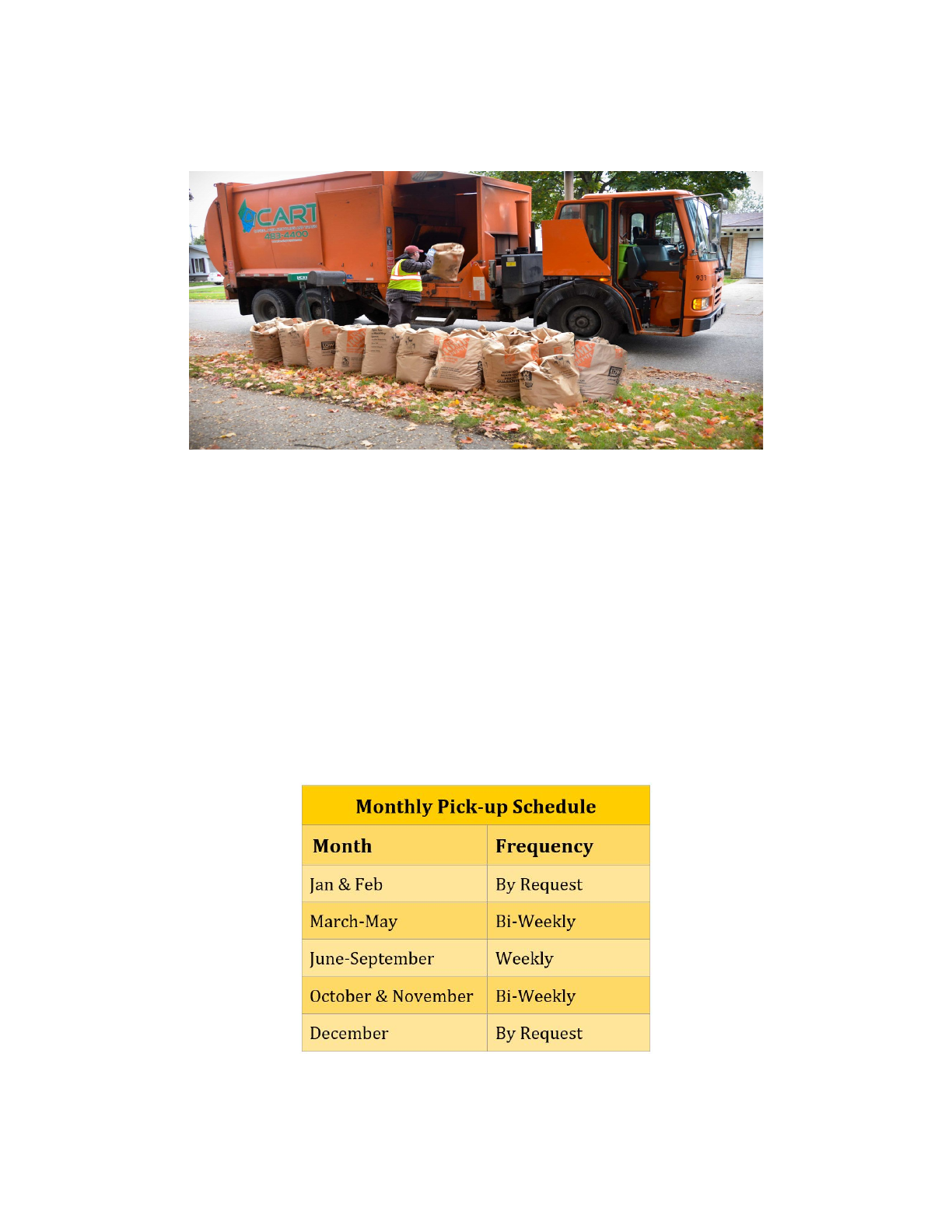
The City of Chicago coordinates dedicated bagged leaf and other yard waste collection trucks to assist
residents in clearing their yards, parkways and storm drains of leaf debris. This diverts yard waste from
landfills in accordance with Illinois Laws. Yard waste consists of leaves, grass clippings, branches, brush,
clippings from shrubbery, and garden waste. Yard waste does not include dirt, rocks, or gravel.
Prep for Pick-up
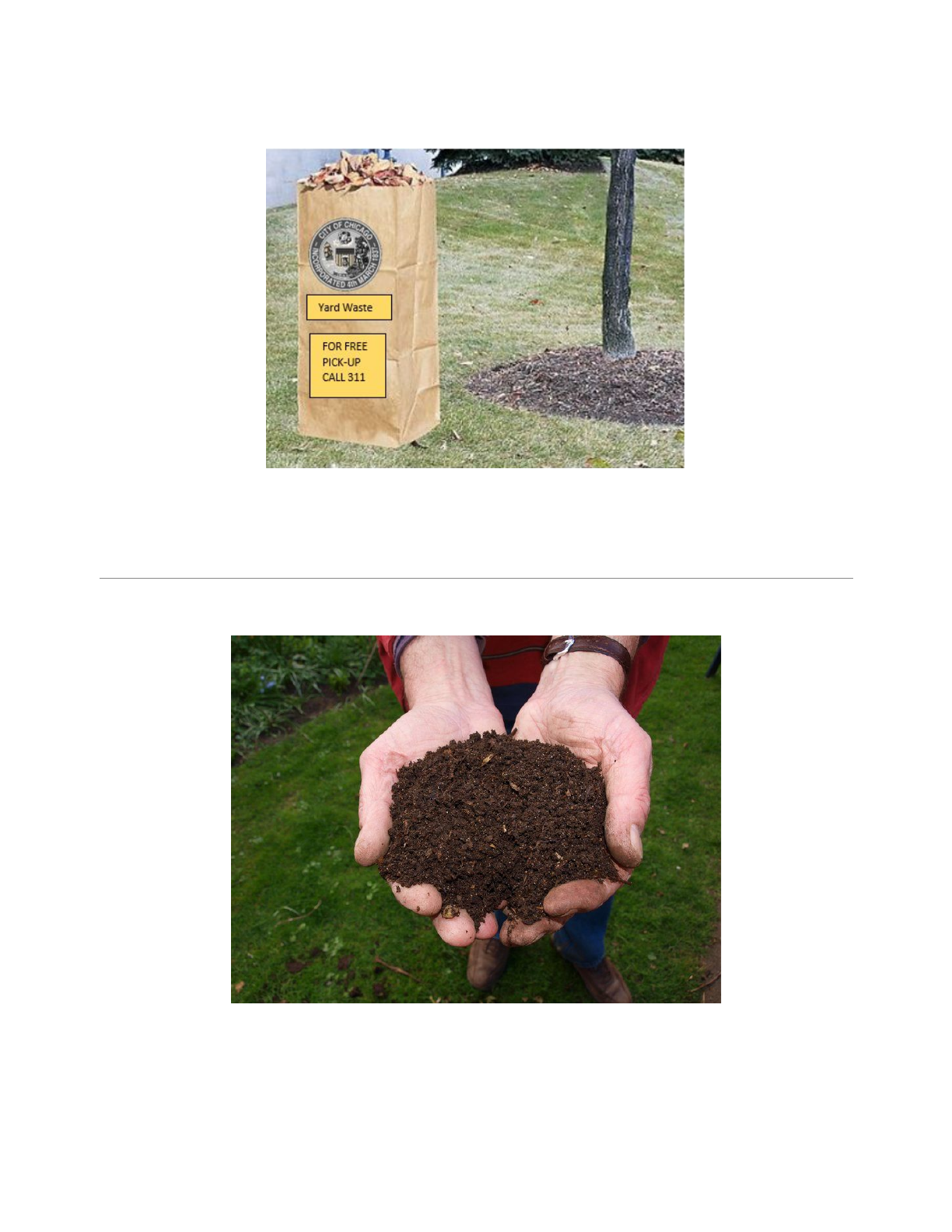
Yard waste should be placed in designated city yard waste paper bags with the exception of twigs and
branches which should be bundled. This should be put out in the alley or at the curb for collection.
Pick-up Request
The pick-up schedule below will be followed. During the request months, residents should call 311 to
request yard waste collection. The department will come, collect the waste and take it to be composted.
Paper Bags
All eligible residents will receive their first set of papers bag for free. This will come in the mail along with
a choice to opt into the return system, that will return the eligible resident with the same number of
brown paper bags they use every time their yard waste is picked up.
An Alternative - Home Composting
Instead of pick-ups, residents can choose to home compost their yard waste.
What is composting?
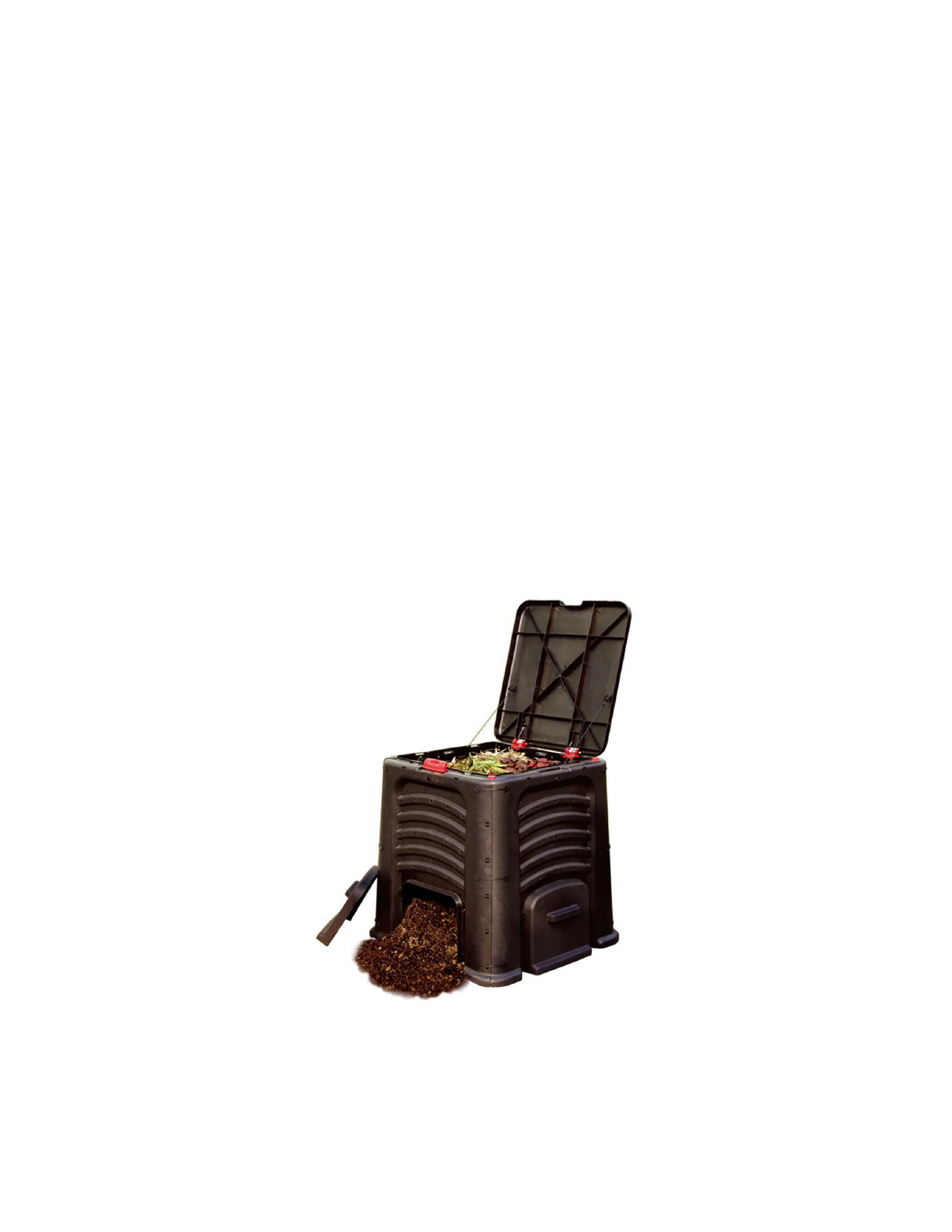
Composting is the method of recycling organic material to the soil. When organic material decomposes in
the soil, it puts back nutrients in the soil.
Why compost?
Composting is beneficial to humans and the environment. For the environment, composting reduces the
amount of yard waste and food scraps which enter waterways. Also when yard waste enters landfills, it
decomposes and release methane to the atmosphere, a depleter of the ozone layer. For humans,
composting helps to grow cleaner and more vibrant food as it reduces the need for pesticides and having
more nutrients in the soil reduces the need store bought fertilizers.
Getting Started
To start composting, all one need is a bin for it. You can buy or build it and start placing organic materials
in it. Here are some tips to get you going:
● Keep a small bucket in your kitchen to collect food waste.
● Be sure to alternate material as it is added to the bin.
● Turn/mix the materials on a regular basis to help with circulation.
● Add watering materials to keep compost moist.
● Beware of the smell, special composting bag can be used to line bins to help with this.
