Leica Microscope And Magnifier M125 B Users Manual
M125 B to the manual 68260537-c8f9-43f2-8c3b-377499f116e4
2015-02-02
: Leica Leica-Leica-Microscope-And-Magnifier-M125-B-Users-Manual-435639 leica-leica-microscope-and-magnifier-m125-b-users-manual-435639 leica pdf
Open the PDF directly: View PDF  .
.
Page Count: 57
Living up to Life
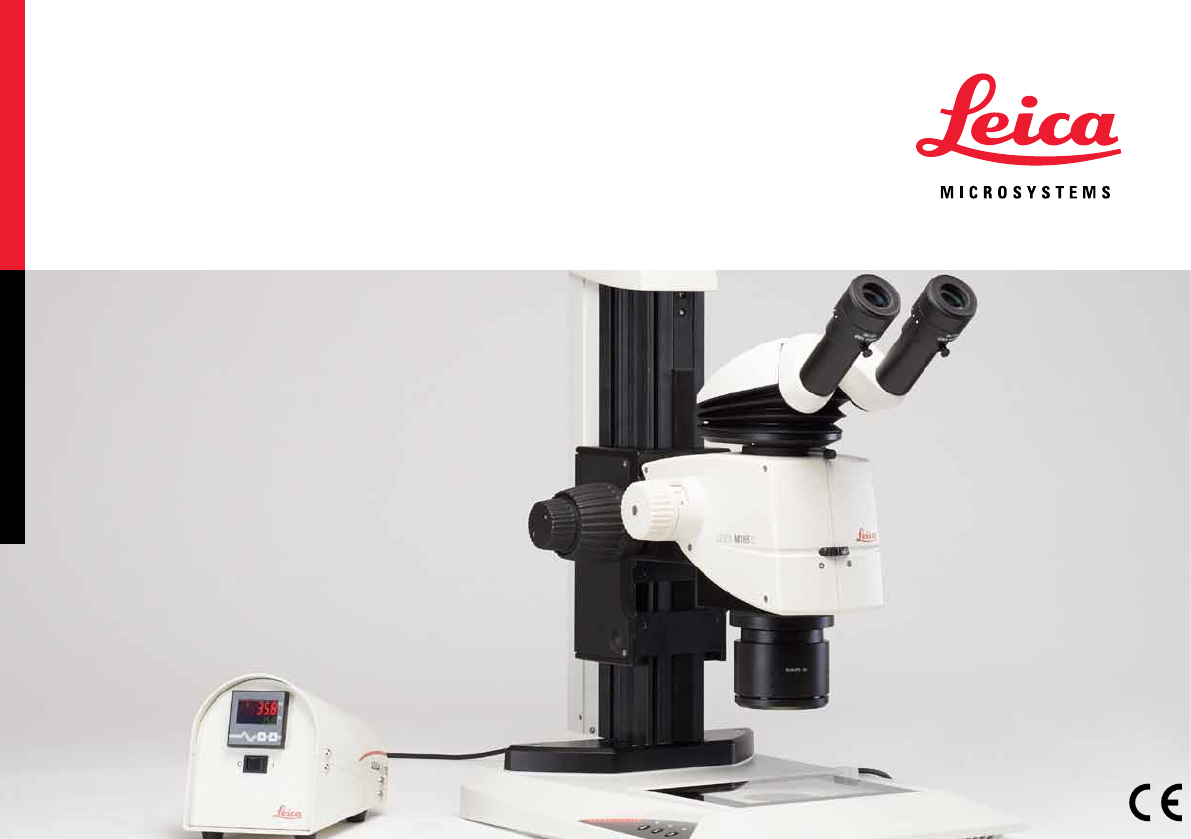
Leica M125 B
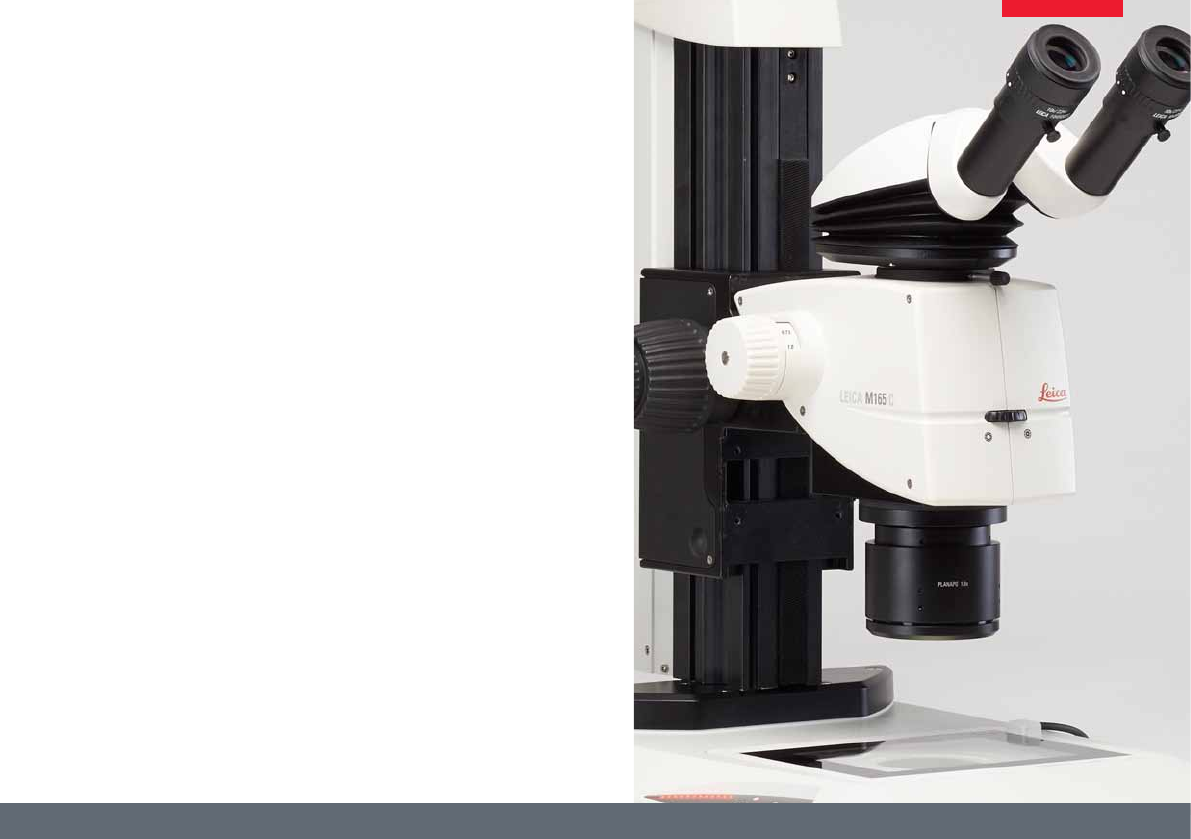
Leica M165 C B
User Manual

Leica M series User Manual 2
All rights to this documentation are held by
Leica Microsystems CMS GmbH. Reproduction
of text or illustrations (in whole or in part) by
print, photocopy, microfilm or other method
(including electronic systems) is not allowed
without express written permission from Leica
Microsystems CMS GmbH.
The instructions contained in the following
documentation reflect state-of-the-art tech-
nology. We have compiled the texts and illus-
trations as accurately as possible. Still, we are
always grateful for comments and suggestions
regarding potential mistakes within this docu-
mentation.
The information included in this manual may
be changed without prior notice.
Copyright
Revision 1.0, published March 14, 2013 by:
Leica Microsystems Wetzlar GmbH
Ernst Leitz-Straße 17-37
D-35578 Wetzlar (Germany)
http://www.leica-microsystems.com
Responsible for contents:
Marketing CMS
Leica M series User Manual 3
Function of the Microscopes
The Leica M125 B and Leica M165 C B micro-
scopes, for which this User Manual has been
written, are designed for routine examinations
of cell and tissue cultures, liquids, and sedi-
ments. This includes examining specimens
taken from the human body for the purpose
of gaining information about physiological or
pathological conditions or inborn anomalies, or
testing for safety and compatibility for poten-
tial recipients, or for monitoring therapeutic
measures.
IVD
The above-named microscopes comply with
the Council Directive 98/79/EC concerning in
vitro diagnostics.
•The manufacturer assumes no liabil-
ity for damage caused by, or any
risks arising from, using the microscope for
other purposes than those for which they are
intended or not using them within the speci-
fications of Leica Microsystems CMS GmbH.
In such cases, the Declaration of Conformity
shall be invalid.
•These (IVD) instruments are not
intended for use in the patient environ-
ment defined by DIN VDE 0100-710. Nor are
they designed to be combined with medical
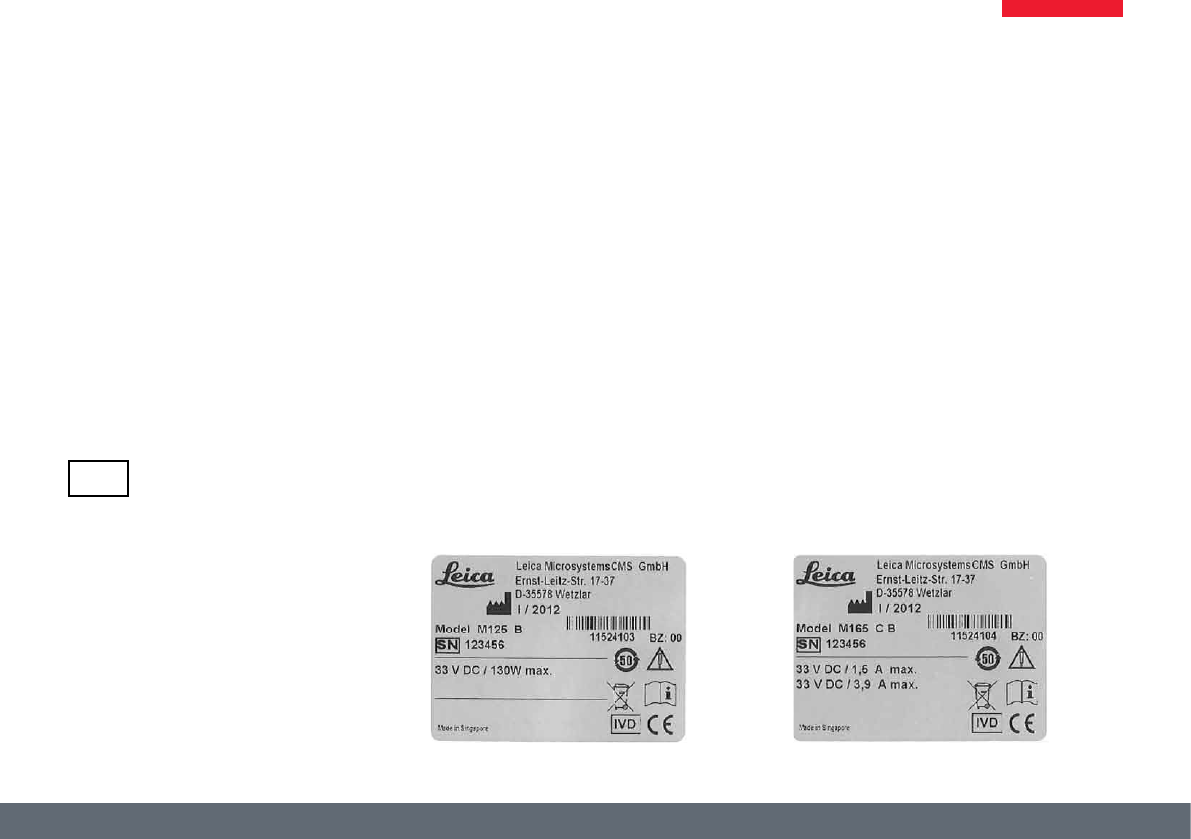
Leica M125 B nameplate
instruments in accordance with EN 60601-1. If a
microscope is electrically connected to a medi-
cal instrument in accordance with 60601-1, the
requirements listed in EN 60601-1-1 shall apply.
Not suitable for examining potentially infec-
tious specimens. This type of instrument may
be operated by trained laboratory personnel
only.
Leica M165 C B nameplate

Leica M series User Manual 4
General Notes
Use in clean rooms
The Leica M series can be used in clean rooms
without any problems.
Cleaning
★Do not use any unsuitable cleaning agents,
chemicals or techniques for cleaning.
★Never use chemicals to clean colored
surfaces or accessories with rubberized
parts. This could damage the surfaces,
and products could be contaminated by
abraded particles.
★In most cases, we can provide special solu-
tions on request. Some products can be
modified, and we can offer other accesso-
ries for use in clean rooms.
★The cleaning of glass surfaces and objec-
tives in particular should be carried out
exclusively as outlined in the brochure
"Cleaning of Microscope Optics". The infor-
mation can be downloaded at:
http://www.leica-microsystems.com/prod-
ucts/
. Select your product and go to the "Down-
load" page.
★For additional information, refer to page
56.
Servicing
★Repairs may only be carried out by Leica
Microsystems-trained service technicians.
Only original Leica Microsystems spare
parts may be used.
Responsibilities of person in charge of
instrument
★Ensure that the Leica stereomicroscope
is operated, maintained and repaired by
authorized and trained personnel only.

Leica M series User Manual 5
Important Safety Notes
User Manual
This User Manual describes the special func-
tions of the individual modules of the Leica M
stereomicroscopy series and contains impor-
tant instructions for their operational safety,
maintenance, and accessories.
You can combine individual system articles
with articles from external suppliers (e.g. cold
light sources, etc.). Please read the User Manual
and the safety instructions from the supplier.
Before installing, operating or using the instru-
ments, read the user manuals listed above. In
particular, please follow all safety instructions.
To maintain the unit in its original condition
and to ensure safe operation, the user must
follow the instructions and warnings contained
in these user manuals.
We guarantee the quality of our products.
Our guarantee covers all faults in materials
and manufacture. It does not, however, cover
damage resulting from careless or improper
handling.
Leica M series User Manual 6
Symbols Used
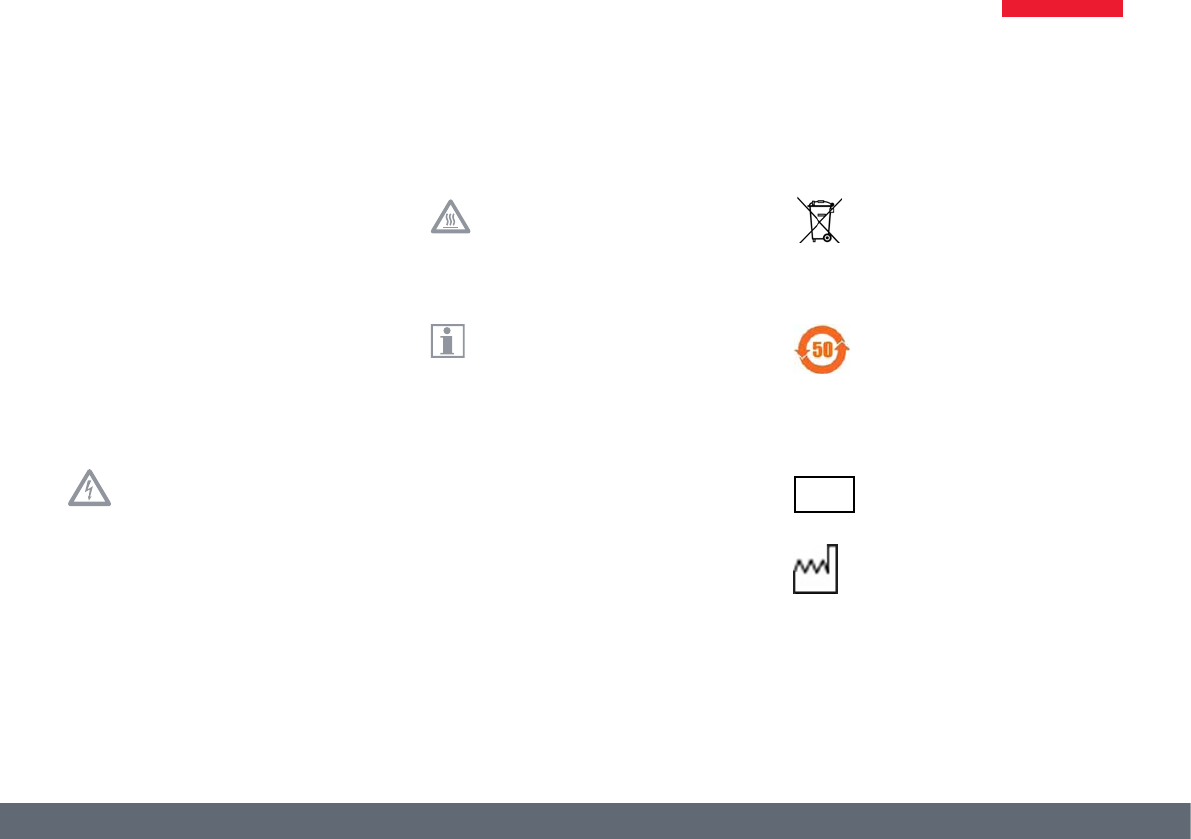
Warning! Safety hazard!
•This symbol indicates especially impor-
tant information that is mandatory to
read and observe.
Failure to comply can cause the following:
★Hazards to personnel
★Functional disturbances or damaged
instruments
Warning of hazardous electrical voltage
This symbol indicates especially impor-
tant information that is mandatory to
read and observe.
Failure to comply can cause the following:
★Hazards to personnel
★Functional disturbances or damaged
instruments
Danger due to hot surface.
This symbol warns against touching hot
surfaces, e.g. those of light bulbs.
Important information
This symbol indicates additional infor-
mation or explanations that are intended
to provide clarity.
Explanatory notes
★This symbol within the text stands for addi-
tional information and explanations.
Figures
(1) Numbers in parentheses within the
descriptions relate to the figures and the
items within those figures.
Disposal
Notes on how to dispose on the micro-
scope, its components and expend-
ables.
China RoHS 50 year EFUP (Environ-
mentally friendly use period)
IVD labeling
IVD Instrument for in vitro diagnostics.
MM/YYYY
IVD manufacturing date,
for example 11 / 2011 for
November 2011.

Leica M series User Manual 7
Safety Instructions
Description
★The individual modules fulfill the highest
requirements for observation and docu-
mentation of Leica stereomicroscopes of
the M series.
Intended use of instrument
★Leica Microsystems microscopes are opti-
cal instruments for improving the visibility
of objects or specimens through magnifi-
cation. Accessories such as optical acces-
sories, stands, illumination, cameras etc.
supplement the equipment configuration.
Non-intended use
★Using the instrument in any way contrary
to the specifications in the User Manual can
lead to bodily harm and damage to objects.
Never use microscopes for in vivo examina-
tions or eye surgery if they are not expressly
intended for such use. Never install any
other plug or unscrew optical systems
and mechanical parts unless expressly
instructed to do so in the instructions.
The instruments and accessories described in
this User Manual have been tested for safety and
potential hazards. The responsible Leica affiliate
must be consulted whenever the instrument is
altered, modified or used in conjunction with
non-Leica components that are outside of the
scope of this manual!
Unauthorized alterations to the instrument or
noncompliant use shall void all rights to any
warranty claims as well as product liability and
the Declaration of Conformity.
Place of use
★Only use the instruments in closed, dust
free rooms and between +10 °C and
+40 °C. Protect the devices from oil, chemi-
cals and extreme humidity. If using the
devices outdoors, protect them from dust
and moisture. Never use electrical devices
outdoors.
★Electrical components must be placed at
least 10 cm away from the wall and away
from flammable substances.
★Avoid large temperature fluctuations,
direct sunlight and vibrations. These condi-
tions can distort micrographic images, for
example.
★In warm and warm-damp climatic zones,
the individual components require special
care in order to prevent the build-up of
fungus.

Leica M series User Manual 8
Safety Instructions (continued)
Responsibilities of person in charge of
instrument
★These Safety Instructions must be available
at the workplace.
Ensure that:
★The M series stereomicroscopes and
accessories are operated, maintained and
repaired by authorized and trained person-
nel only.
★All operators have read, understood and
observe this User Manual, and particularly
the safety regulations.
Repairs, service work
★Repairs may only be carried out by Leica
Microsystems-trained service technicians.
★Only original Leica Microsystems spare
parts may be used.
★Before opening the instruments, switch off
the power and unplug the power cable.
★Avoid contact with powered electrical
circuits, which can lead to injury.
Transport
★Use the original packaging for shipping or
transporting the individual modules of the
Leica M stereomicroscopy series and the
accessory components.
★In order to prevent damage from vibrations,
disassemble all moving parts that (accord-
ing to the user manual) can be assembled
and disassembled by the customer and
pack them separately.
Integration in third-party products
★When installing Leica products into third-
party products, the manufacturer of the
complete system or its dealer is responsible
for following all applicable safety instruc-
tions, laws and guidelines.
Disposal
★Once the product has reached the end of its
service life, please contact Leica Service or
Sales about disposal.
★Please observe and comply with the
national and federal laws and regulations
that are equivalent to EC directives such as
WEEE.
Like all electronic devices, the micro-
scope, its accessory components and
consumables must never be disposed of with
general household waste.

Leica M series User Manual 9
Safety Instructions (continued)
Legal regulations
★Observe the generally applicable statu-
tory and country-specific regulations for
accident prevention and environmental
protection.
EC Declaration of Conformity
★Electrically operated accessories are
constructed based on the state of the art
of technology and are provided with an EC
Declaration of Conformity. See page 55
Health risks
Workplaces with stereomicroscopes facilitate
and improve the viewing task, but they also
impose high demands on the eyes and holding
muscles of the user. Depending on the dura-
tion of uninterrupted work, asthenopia and
musculoskeletal problems may occur. For this
reason, appropriate measures for reduction of
the workload must be taken:
Optimal arrangement of workplace, work
assignments and work flow (changing tasks
frequently). Thorough training of the person-
nel, giving consideration to ergonomic and
organizational aspects.
The ergonomic design and construction of the
Leica M stereomicroscopy series are intended to
reduce the exertion of the user to a minimum.
Direct contact with eyepieces can be a potential
transmission path for bacterial and viral infec-
tions of the eye.
The risk can be kept to a minimum by using
personal eyepieces for each individual or
detachable eyecups.
Careful handling
★Exercise particular care when setting up
the instruments. If it is specified that two or
more people are required for setup, compli-
ance with this is mandatory.
★Never spill any liquids on electrical instru-
ments. This could cause the stereomicro-
scope and other equipment to become
electrically live and damage people and
instruments.
★Never clean instruments using corro-
sive cleaning agents or those containing
acetone. For detailed information about
care, refer to the User Manual for the instru-
ment.
★Check the power cables regularly. Defective
power cables can cause injuries.
★Wait for bulbs to cool off before changing
them. Touching hot bulbs can cause burns.

Leica M series User Manual 10
Safety Instructions (continued)
Light sources: safety regulations
★Light sources pose a potential risk from
glare. Therefore, lamps have to be operated
in closed housings and in installed condi-
tion.
★Never look directly into the beam path
(blinding hazard).
★Do not select a white, strongly reflective
background for the specimen.
External power supply for the focusing
column
(Leica M165 C B)
Permitted power supply:
SINPRO SPU46-110
Specifications:
Input: 100-240 V AC
47-63 Hz
1.2 A
Output: 33 V DC
1.51 A
For indoor use only.
External power supply for TL5000 Ergo
Permitted power supply:
SINPRO SPU130-110
Specifications:
Input: 100-240 V AC
47-63 Hz
3.2 A
Output: 33 V DC
3.93 A
max. 130 W
For indoor use only.
•Use only the power supply specified
above. Other power supplies must not
be used. If the original power supply fails or
is damaged, it must be replaced. Repair is not
permitted. Original power supplies are avail-
able from your Leica branch office or Leica
dealer.

Leica M series User Manual 11
Contents
Quick Start Guide
The Fastest Route to Success 29
Overview of an M Series Microscope 30
The correct interpupillary distance 31
Using the Eyepieces 32
Focusing 33
Adjusting the Resistance of the Focus Drive 34
Changing the Magnification (Zoom) 35
Click Stops and Magnifications 36
Parfocality: More Comfort and Convenience for Your Work 37
Iris Diaphragm 38
Eyepieces
Magnification Factor of the Eyepieces 40
Health Notes 41
Dioptric Correction 42
Dioptric Correction and Parfocality 43
Graticules 44
Objectives and
Copyright 2
Function of the Microscopes 3
General Notes 4
Important Safety Notes 5
Symbols Used 6
Safety Instructions 7
The Leica M Series
Congratulations! 14
A Step Towards Infinity 15
The Electronics: Comfort, Convenience and Safety for your Experiments
16
Maximum Compatibility 17
On We Go 18
Assembly
Base and Focusing Column 20
Optics carrier 21
Tube 22
Eyepieces 23
Objective 24
TL5000 Ergo transmitted light base 25
Wiring: Connections (Leica M165 C B) 26
Cables: Cable Duct 27

Leica M series User Manual 12
Optical Accessories
The Different Types of Objectives 46
Bases
Leica TL5000 Ergo Transmitted Light Base: Controls 48
Leica TL5000 Ergo Transmitted Light Base: Operation 49
Technical Data
Leica TL5000 Ergo Transmitted Light Base 52
Appendix
Calculating the Total Magnification and Field of View Diameter 54
Care, Maintenance, Contact Persons 55
Leica M series User Manual 13
The Leica M Series

Leica M series User Manual 14
Congratulations!
Congratulations on obtaining your new Leica M series stereomicroscope.
We are convinced it will exceed your expectations, as never before have
we applied our decades of experience in the areas of optics, mechanical
engineering and ergonomics in such an uncompromising manner.
The Leica M series embodies all the qualities you associate with the name
Leica Microsystems: excellent objectives, high-quality engineering, and
reliability. Furthermore, the modular design ensures that the M series
adapts perfectly to your needs—no matter which accessories you require
for your tasks.
Though the reliability and robustness of Leica stereomicroscopes is
legendary, like any high-tech product, the Leica M series requires a certain
degree of care and attention. Therefore, we recommend that you read
this manual. It contains all the information you need regarding operation,
safety and maintenance. Simply observing a few guidelines will ensure
that even after years of intensive use, your stereomicroscope will continue
to work as smoothly and reliably as on the very first day.
We wish you the best of success in your work— after all, you are now
equipped with the best tool!

Leica M series User Manual 15
A Step Towards Infinity
Ever since their introduction by Horatio S. Gree-
nough, stereomicroscopes have worked accord-
ing to the optical principles based primarily
on Ernst Abbe's research. For over a century,
ingenious optics designers and engineers have
worked to push magnification, resolution and
image fidelity to the limit permitted by optics.
In doing so, they have always been constrained
by the interrelation between three factors: the
higher a microscope's resolution, the lower the
available working distance. If one increases the
distance of the optical axes, the three-dimen-
sional image seen by the observer becomes
distorted— a sphere becomes an ellipse, a flat
surface curves towards the observer.
Leica M series User Manual 16
The Electronics: Comfort, Convenience and Safety for your Experiments
Never before have electronics been used as
extensively in a Leica series as in the new M
series lineup. Optics carrier, tripod, base and
illuminator are all connected using electrical
contacts—which provides a number of advan-
tages.
Fewer cables
A large part of the cables have been routed in
the interior of the column. Data are also trans-
ferred via the interface between the column,
the optics carrier and the carrier. The direct
result is that you need fewer cables—this not
only makes your workstation neater and more
comfortable, it even makes it appear larger.
Contacts not only transmit data, but also supply
the power.

Leica M series User Manual 17
Leica engineers were careful to ensure that the
new Leica M series—like its predecessors—
remains compatible with existing series. This
means that objectives, bases, tubes and so on
can be reused.
Objectives
All new objectives of the Leica M series are
parfocal.
If you prefer, you can continue to use the previ-
ous Leica objective series. In this case, parfocal-
ity is no longer guaranteed.
Tubes
The interface between the optics carrier and
the tube has remained the same, so exist-
ing tubes fit the new M series. The new tubes
are designed for eyepieces with field number
23, while the predecessor models were only
designed for field number 21, resulting in a
smaller object field.
Eyepieces
The new M series eyepieces have an audible
and tangible click to provide immediate feed-
back in case of accidental adjustment.
Maximum Compatibility

Leica M series User Manual 18
On We Go
If your new Leica microscope has already
been assembled and commissioned by your
Leica consultant, click here to skip through
the installation instructions and go directly
to the Quick Start Guide on page 28.
If, on the other hand, you are assembling the
microscope yourself, continue with the "Assem-
bly" chapter, which begins on page 19.
Leica M series User Manual 19
Assembly
Leica M series User Manual 20
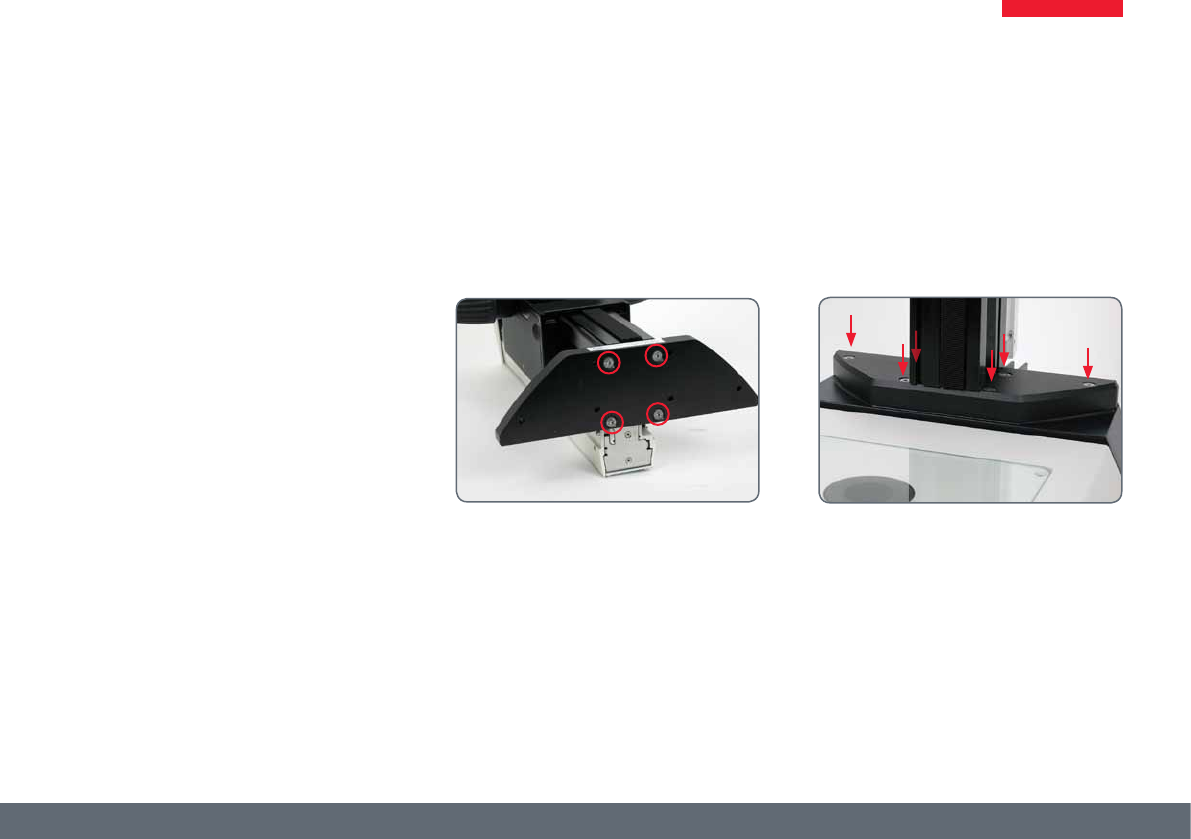
The first step is to connect the focusing column
of the M series to the corresponding base.
Tools used
★Allen key, 3 mm
Assembling the column adapter
1. Securely install the column adapter on the
column using the four included screws.
Assembling the focusing drive
2. Securely screw the focusing column to the
base using the six included screws.
Base and Focusing Column
Leica M series User Manual 21
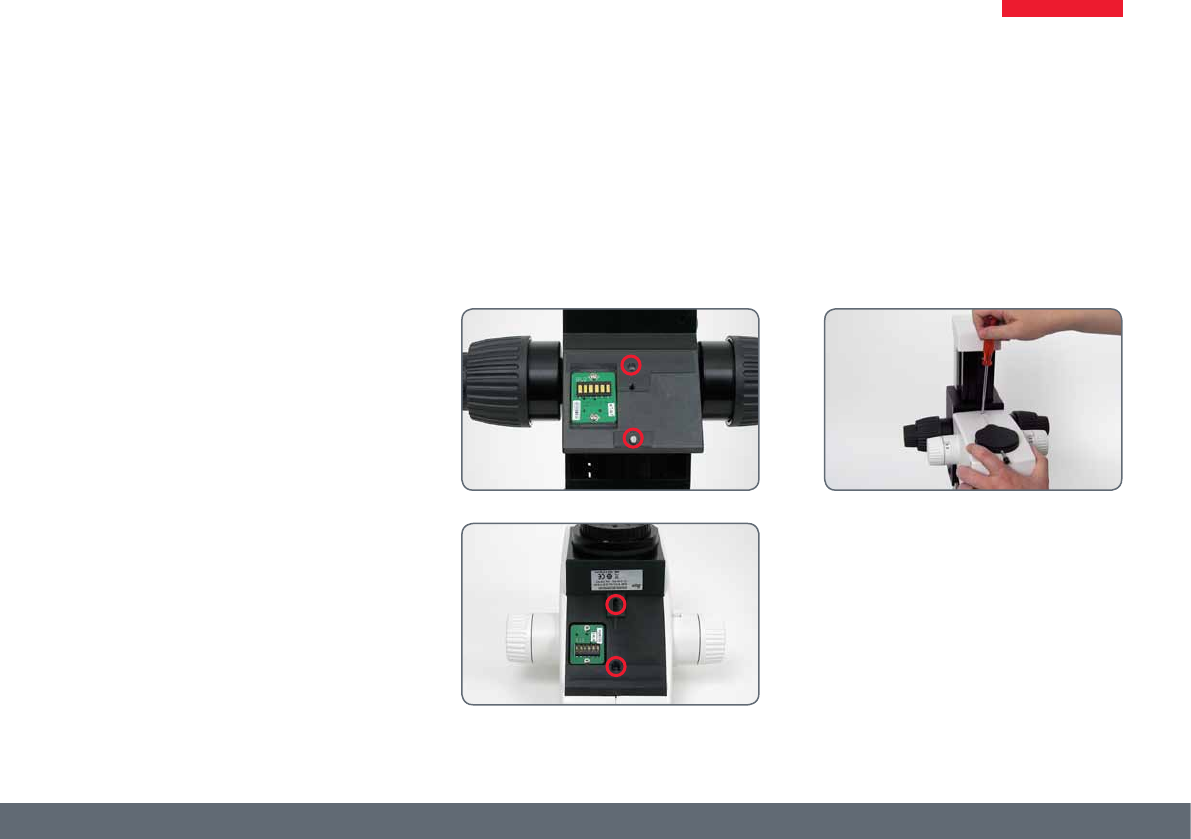
Tools used
★Allen key, 4 mm
Assembling the Optics Carrier
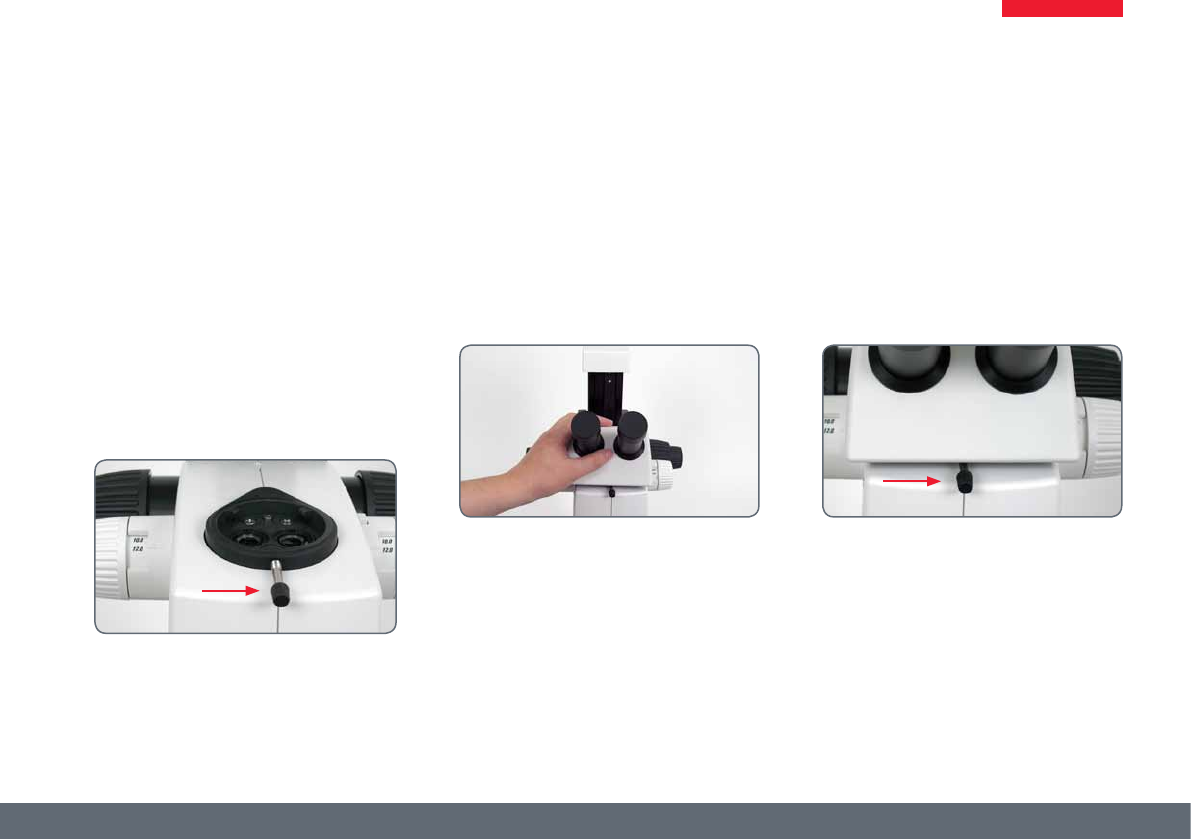
1. Place the optics carrier on the focus-
ing column so that the screw fits into the
thread provided and the lug fits into the
groove.
2. Press the optics carrier backwards to the
focusing column and screw it in place using
your other hand.
Optics carrier
Leica M series User Manual 22
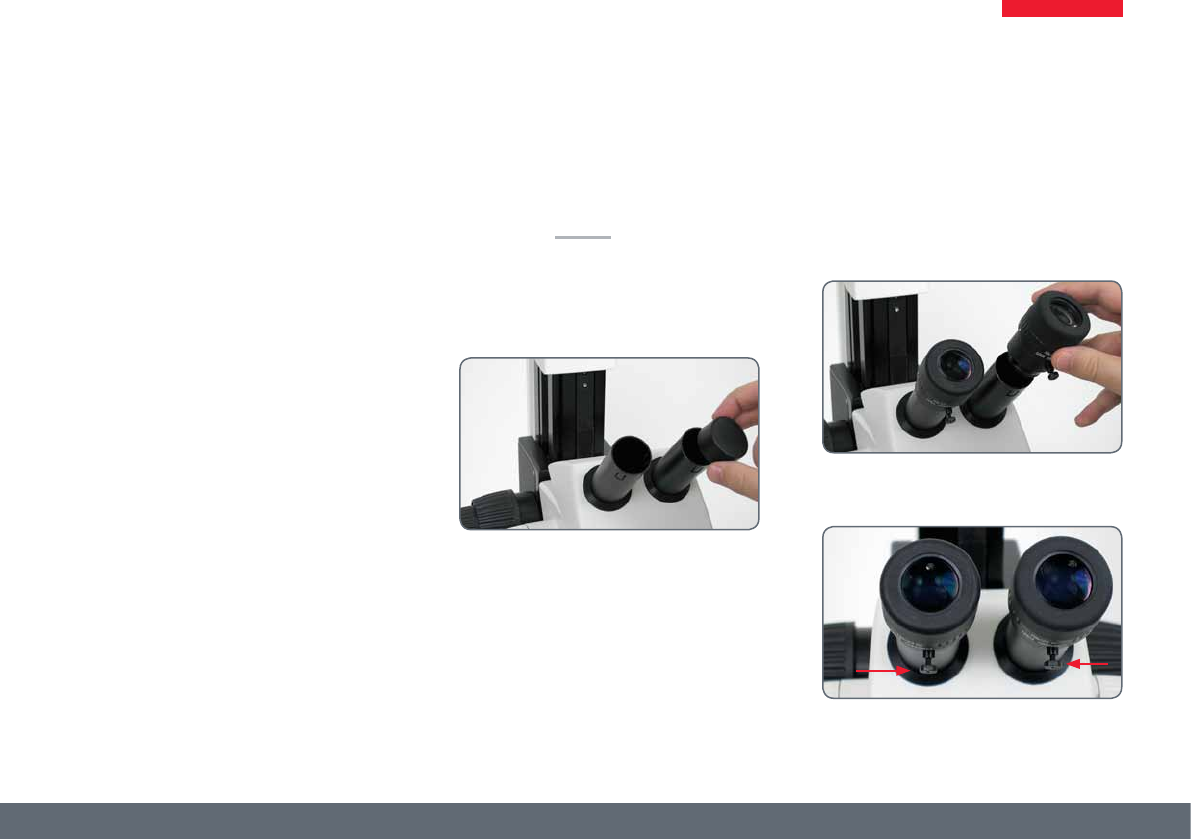
Tube
All intermediate tubes that fit between the
optics carrier and the binocular tube are fitted
in the same manner.
Tools used
★No tools required.
Preparations
1. Unscrew the positioning screw and remove
the protective cover.
Assembling the tube
2. Push the tube (for example, the inclined
binocular tube) into the dovetail ring and
rotate it slightly in both directions until the
positioning screw meshes with the guide
groove.
3. While holding the tube only slightly, care-
fully tighten the positioning screw. It is
automatically brought to the correct posi-
tion.
Leica M series User Manual 23
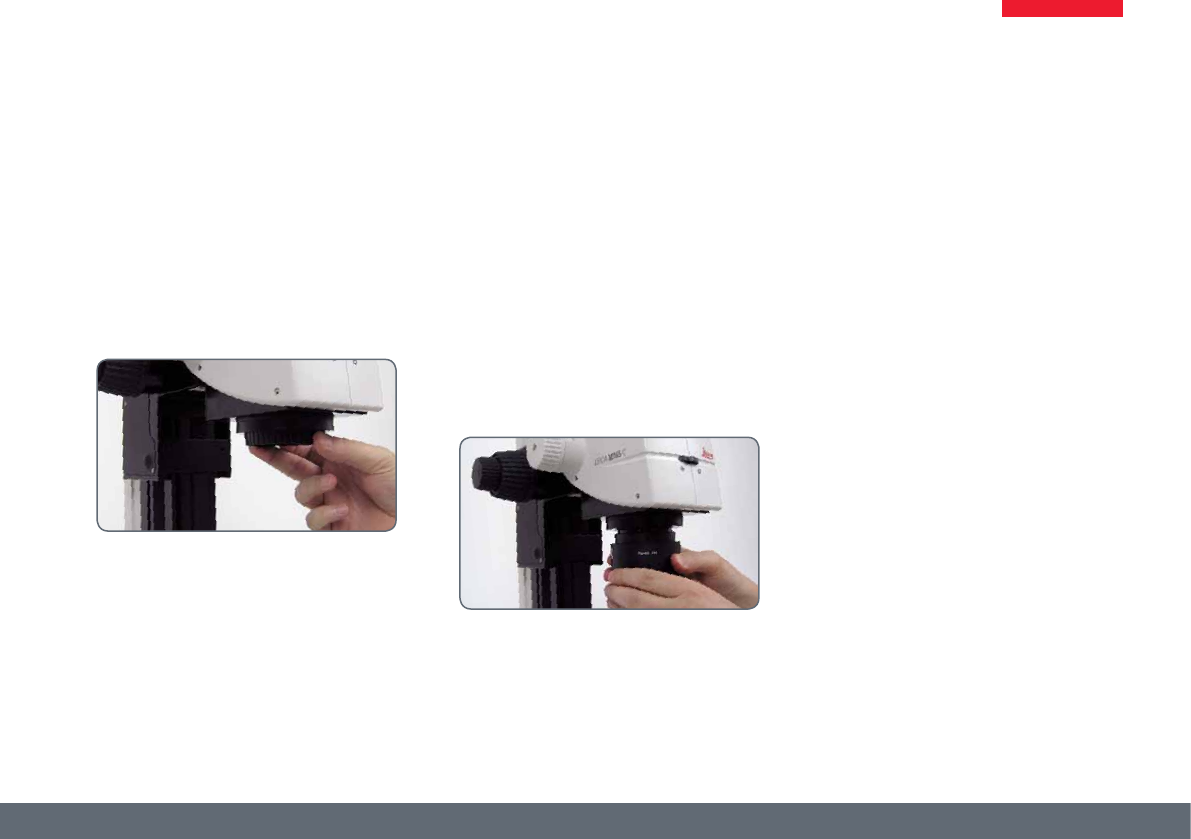
Eyepieces
Tools used
★No tools required.
Magnification range
You can extend the overall magnification range
using available 10×, 16×, 25× and 40× wide-
field eyepieces for persons wearing glasses.
Preparation
1. If you want to use an optional graticule,
insert it now (page 44).
2. Remove the plastic tube guard.
Inserting the eyepieces
3. Push the eyepieces into the tubes as far as
they will go and check to ensure that they
fit tightly and accurately.
4. Securely tighten the clamping screws.
Leica M series User Manual 24
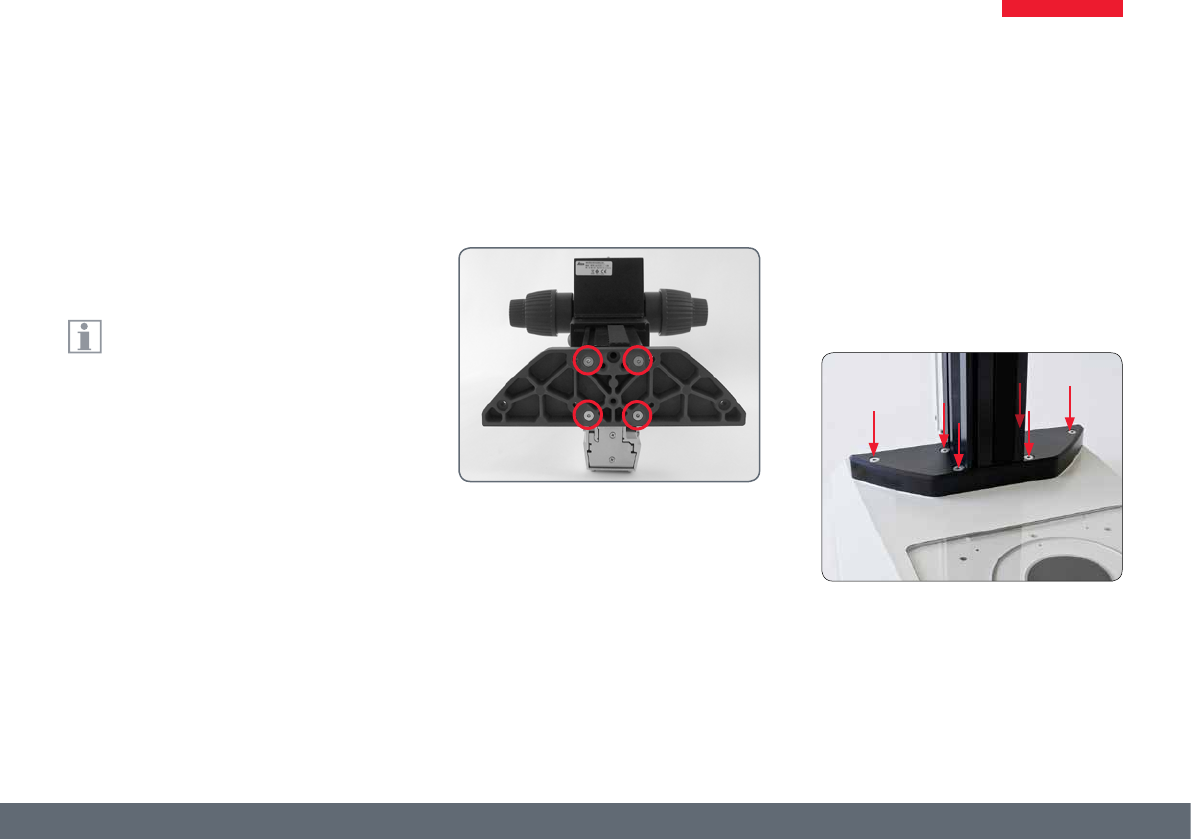
Objective
Tools used
★No tools required.
Preparation
1. Remove the protective cap on the optics
carrier by turning it.
Attaching the objective
•Hold the objective firmly during assem-
bly and disassembly so that it does not
fall onto the stage plate. This applies particu-
larly to the 2x planapochromatic objective,
which is very heavy. Remove all specimens from
the stage plate first.
2. Screw the objective clockwise into the
optics carrier.
Leica M series User Manual 25
TL5000 Ergo transmitted light base
Unpacking the base
The base is delivered with the adapter plate
installed. Make sure the instruments are
unpacked on a flat, sufficiently dimensioned,
and non-slip surface.
Refer also to the separately provided
User Manual for the TL5000 Ergo trans-
mitted light base.
Focusing drive and column
1. Unscrew the extension plate from the base
using the Allen key provided.
2. Attach your focusing drive column to the
bottom using the 4 Allen screws.
3. Reattach the adapter plate to its original
position using the 6 Allen screws.
Leica M series User Manual 26
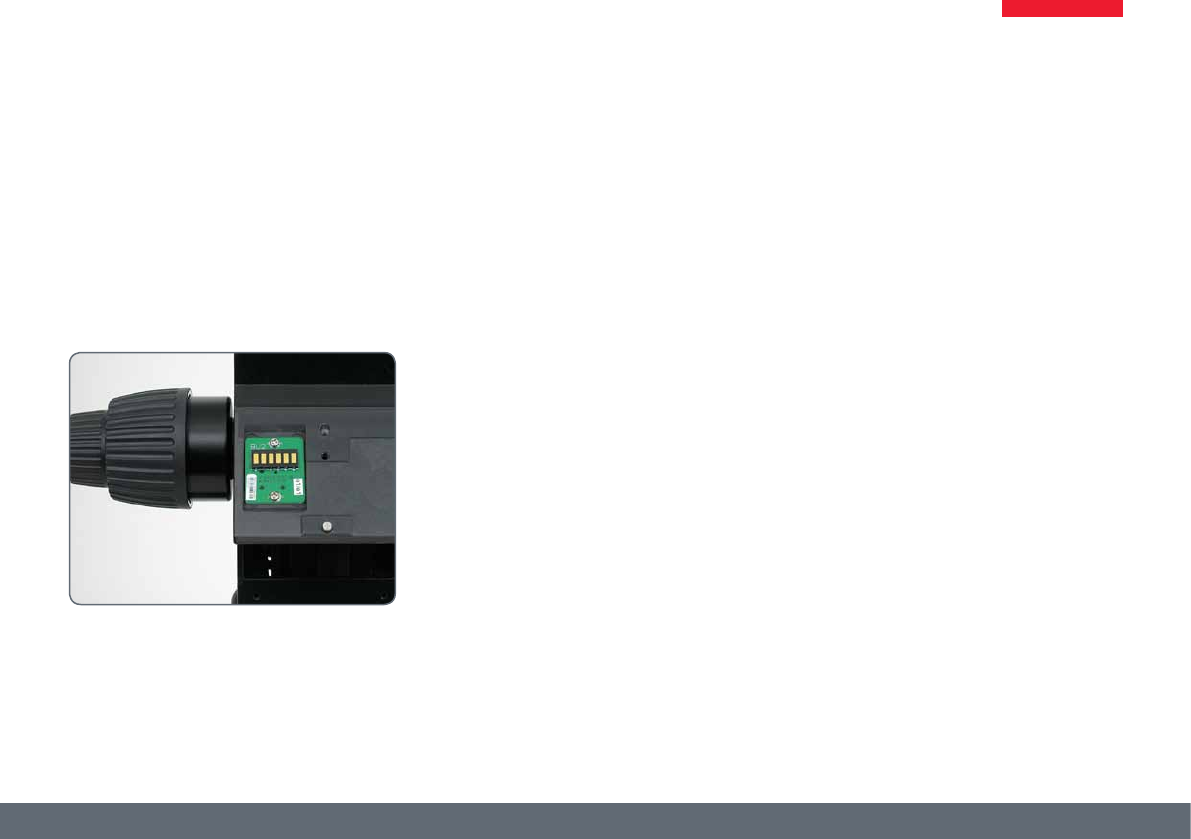
The new Leica M series features extensive
encoding with which various microscope data
and settings can be read out and reproduced
later.
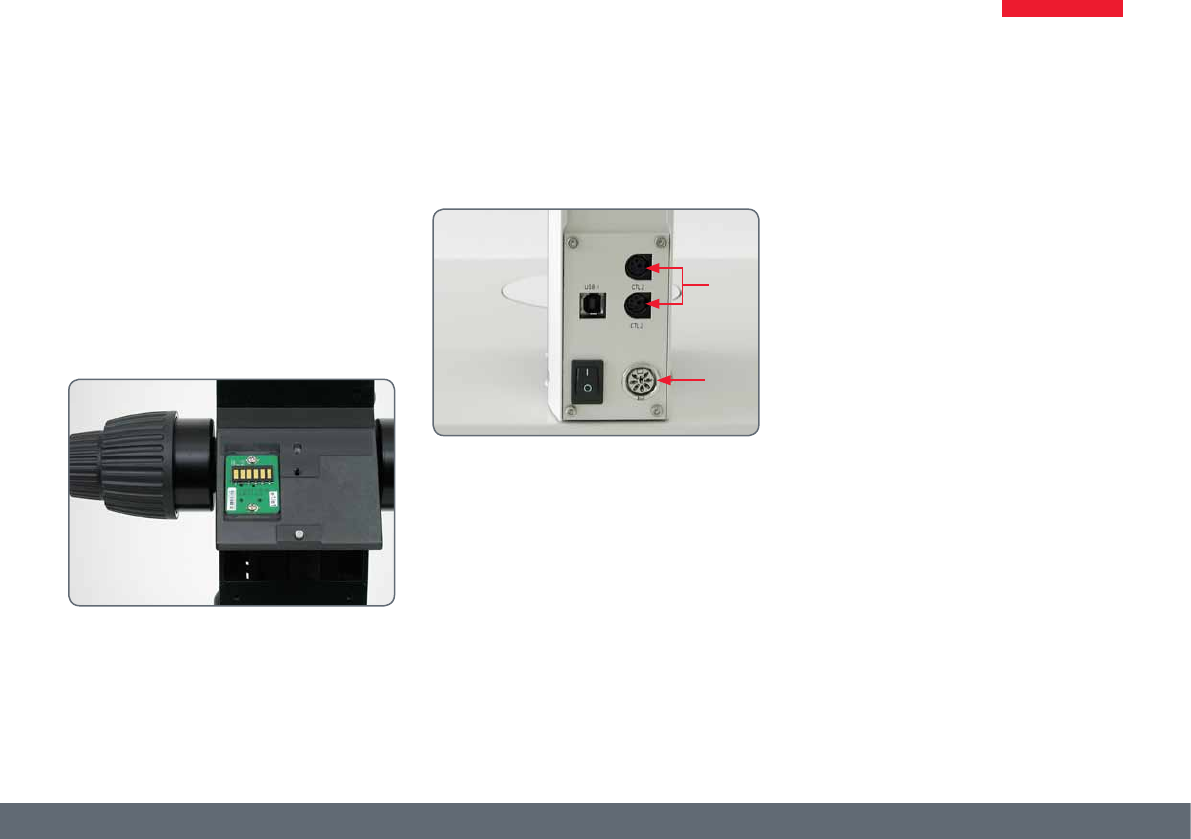
★The interface to the optics carrier is on the
column.
The terminals The connection to other instruments is made
using the terminals on the rear side of the
column:
1. 2×CTL2 terminals for auxiliary equipment
such as the ring illuminator, the base and
other accessories from the Leica product
range.
2. Terminal for the 50-watt power supply
provided.
Wiring: Connections (Leica M165 C B)
1
2
Leica M series User Manual 27
The integrated cable duct in the column
enables a neat cable layout around the micro-
scope. For example, the USB or FireWire cables
of the camera can be stowed in the cable duct.
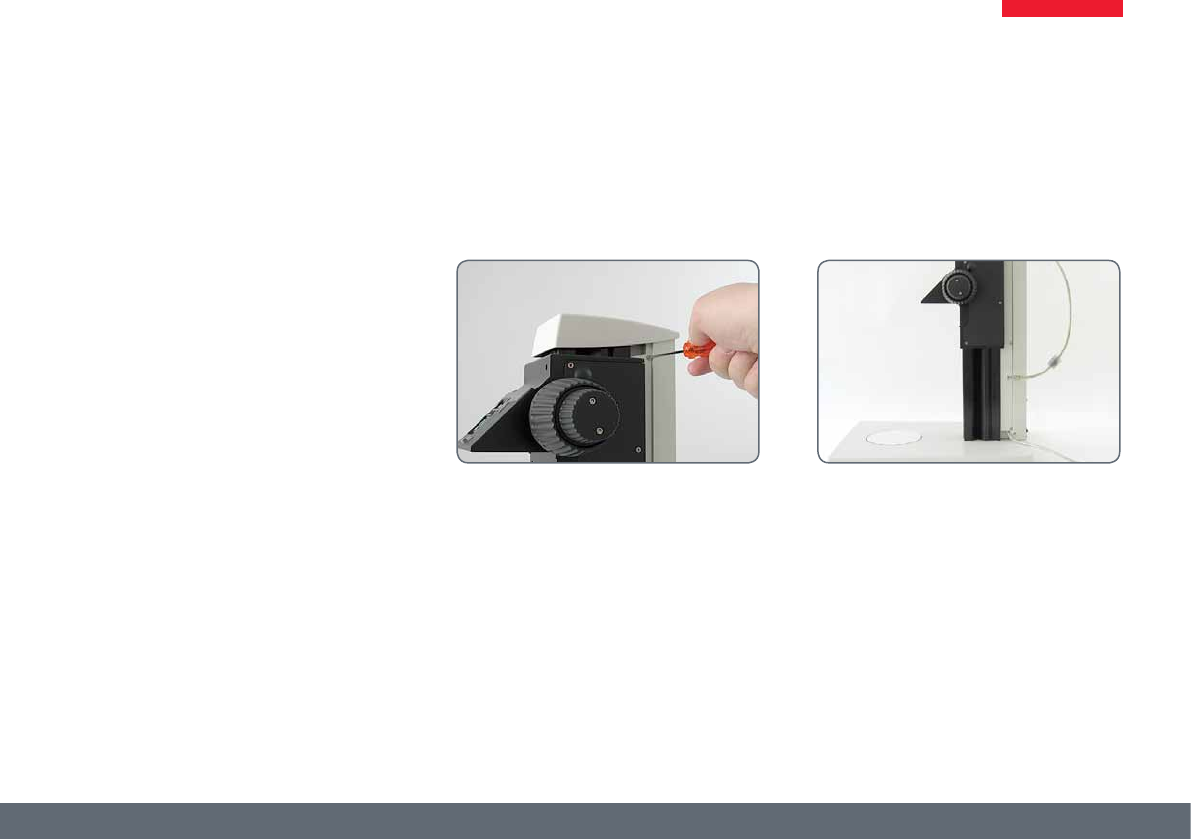
Feeding the cables
1. Unscrew the three screws on the cable
duct.
2. Remove the cover of the cable duct.
3. Place the cables in the cable duct and screw
the cover on tightly.
Tip: Estimate the length of the cable ends you
will need before screwing on the cover.
For thick cables, it is difficult to change the
length retroactively.
Cables: Cable Duct

Leica M series User Manual 28
Quick Start Guide
Leica M series User Manual 29
The Fastest Route to Success
Your Leica stereomicroscope has been delivered in completely assembled
condition by your Leica partner, and naturally you want to get right to
work. Therefore, your next step should be to study the Quick Start Guide,
which outlines the most important steps at a glance.
This manual will then familiarize you with the finer details of your micro-
scope. The following pages contain important, practical information that
makes using it every day easier.
Take time to read it – it's worth it!
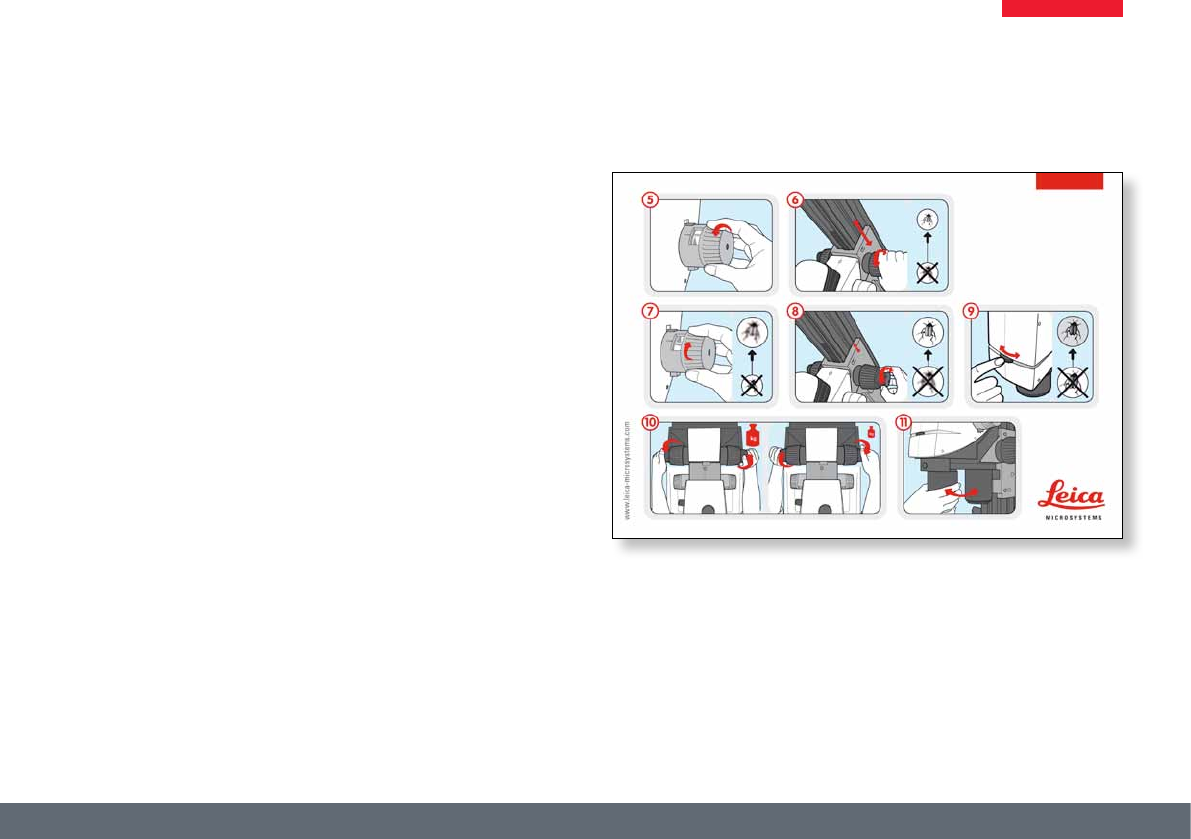
The M series Quick Start Guide (included with instrument).
Leica M series User Manual 30
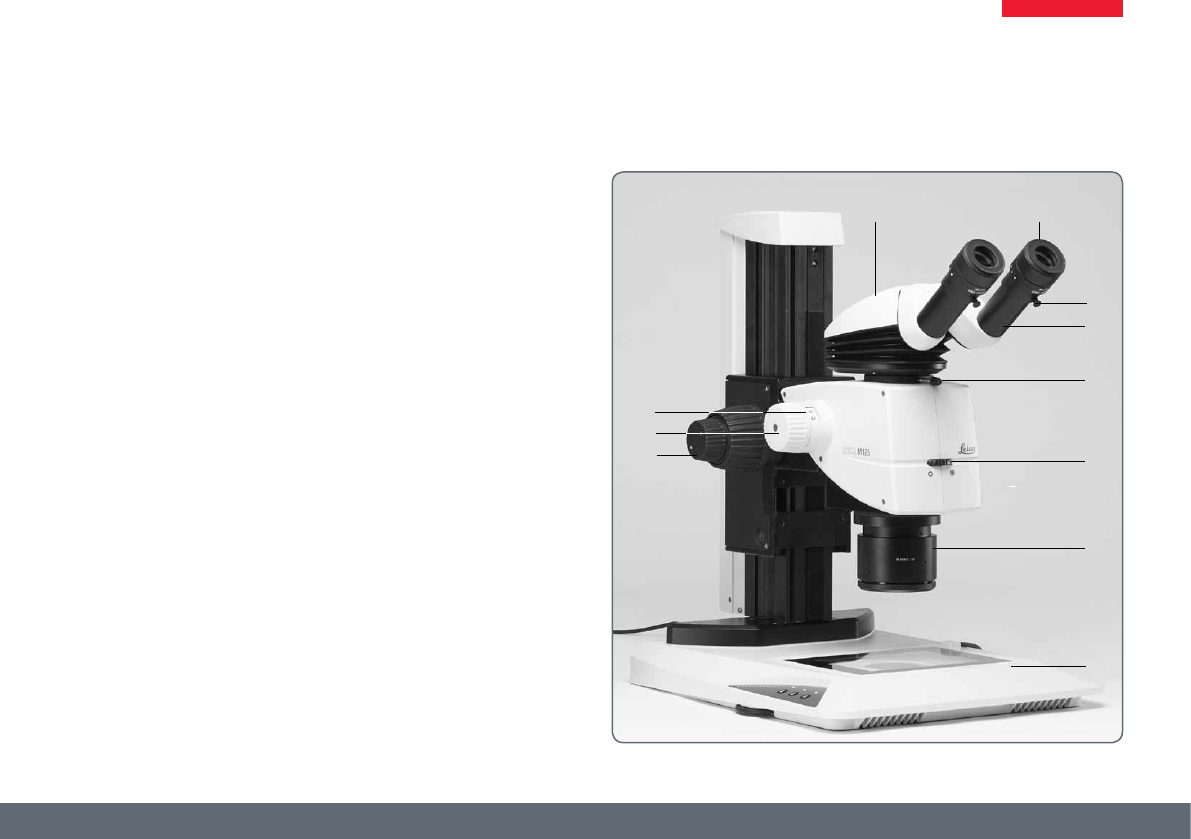
Overview of an M Series Microscope
1 Switch click stops on/off
2 Magnification changer (zoom)
3 Coarse/fine focusing
4 Transmitted light base
5 Interchangeable objective
6 Built-in iris diaphragm
7 Fastening screw for the binocular tube (or accessories)
8 Adjustable eyepiece tubes
9 Fastening screws for the eyepieces
10 Eyepieces for spectacle wearers with dioptric correction
and eyecups
11 Trinocular tube
10
7
8
9
6
5
3
1
2
4
11
Leica M series User Manual 31
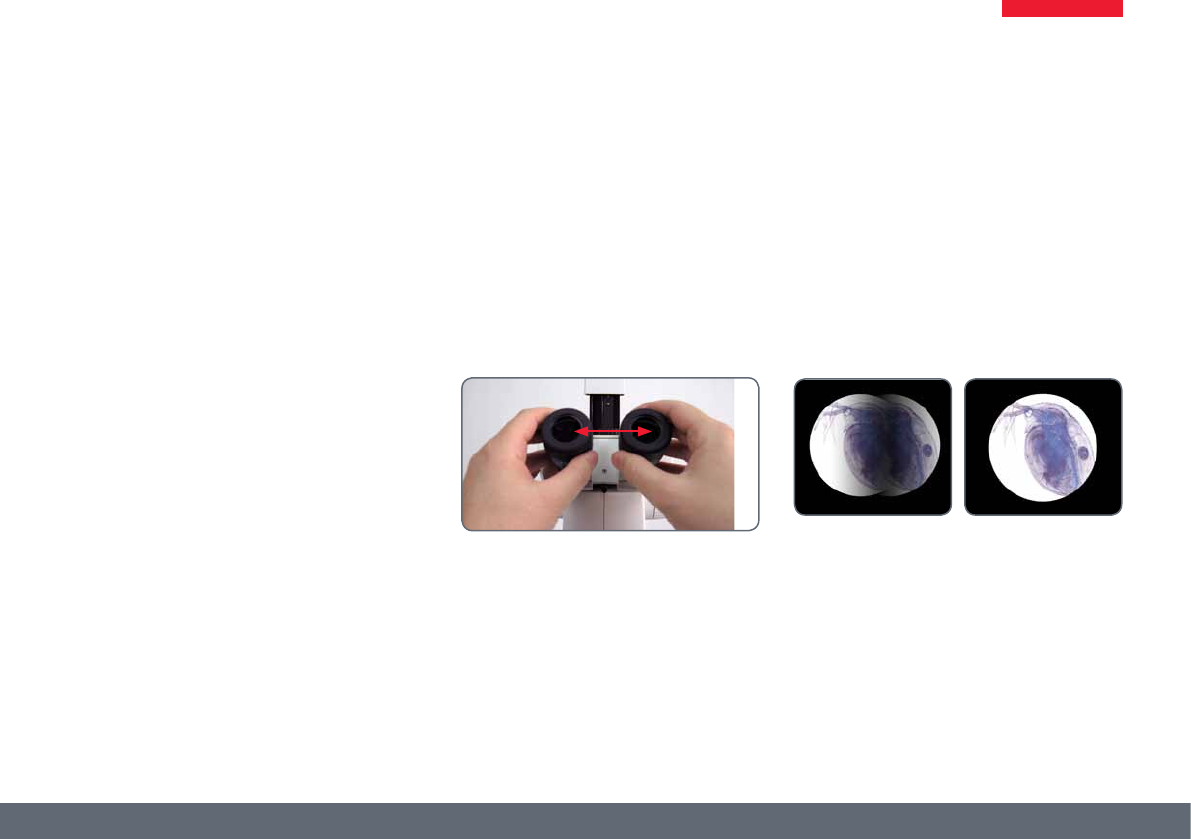
The correct interpupillary distance
The interpupillary distance is correctly set if you
see a single circular image field when looking
at a specimen.
If you are still a novice microscope user, you
may need a short time to become accustomed
to this. Not to worry—after a little while, it will
become automatic.
Reference values
The distance between eye and eyepiece
measures approx. 22 mm for 10/23B widefield
eyepieces for persons wearing glasses.
Adjusting the interpupillary distance
1. Look into the eyepieces.
2. Hold the eyepieces with both hands. Push
the eyepieces together or separate them
until you see a circular image.
3. Slowly approach the eyepieces with your
eyes until you can see the complete image
field without corner cutting.
✓
✗
Leica M series User Manual 32
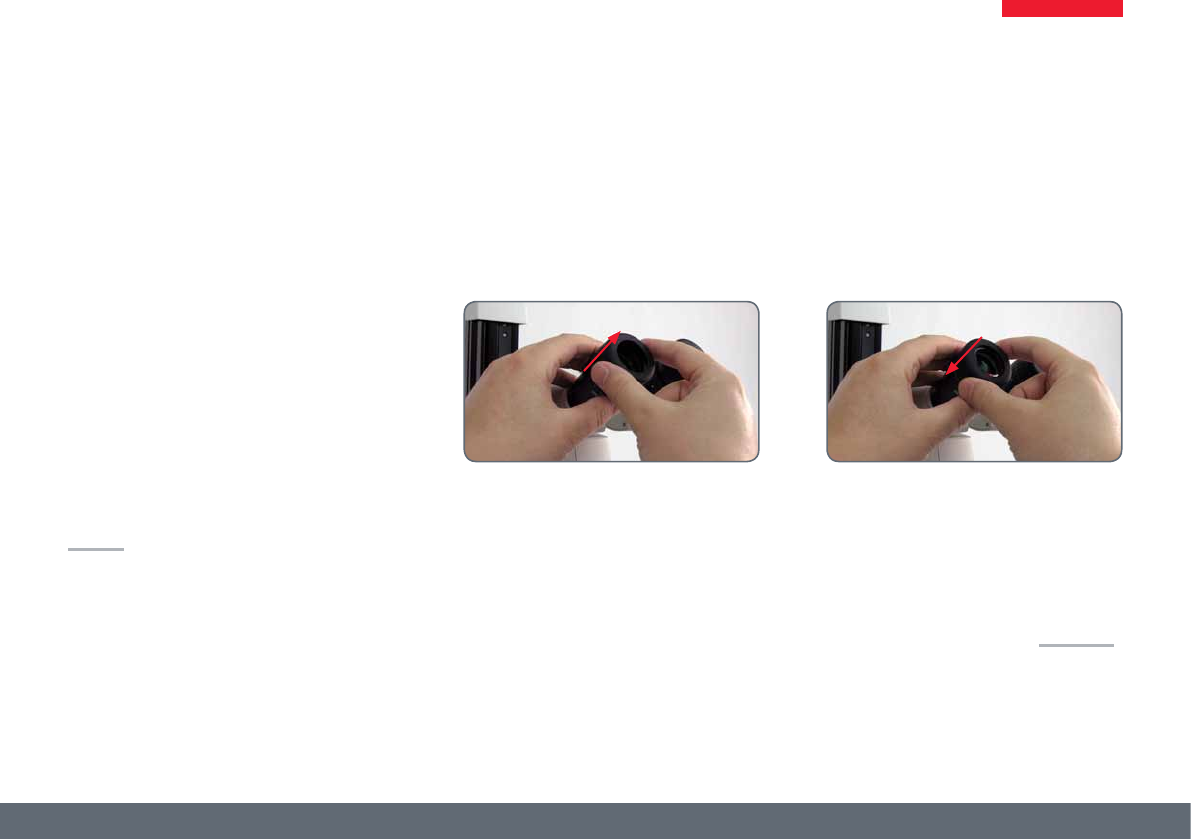
If you wear glasses:
1. Hold the eyepiece firmly and rotate the
eyecups counterclockwise towards the rear,
as otherwise the viewing distance is too
great.
2. If an eyepiece is equipped with the inte-
grated dioptric correction, turn the value to
the "0" mark.
By the way, one benefit of viewing with
eyeglasses is a drastically lower risk of
bacterial transmission (see page 41).
The soft material of the eyecup also ensures
that your glasses will not be scratched, even if
they contact the eyepiece.
Using the Eyepieces
If you do not wear glasses:
1. Hold the eyepiece firmly and rotate the
eyecups forwards counterclockwise.
2. If an eyepiece is equipped with the inte-
grated dioptric correction, turn the value to
the "0" mark.
The eyepieces form the connection between
the tube and the eye of the observer. Simply
push them into the tube and they are ready to
use.
Each eyepiece offers a certain magnification
factor that has a determinative effect on the
total magnification. Furthermore, all Leica
eyepieces can be equipped with practical grati-
cules that enable measuring and quantifying of
specimens.
Dioptric Correction
A built-in dioptric correction is available for
eyeglass wearers. For more information, refer to
page 42
Leica M series User Manual 33
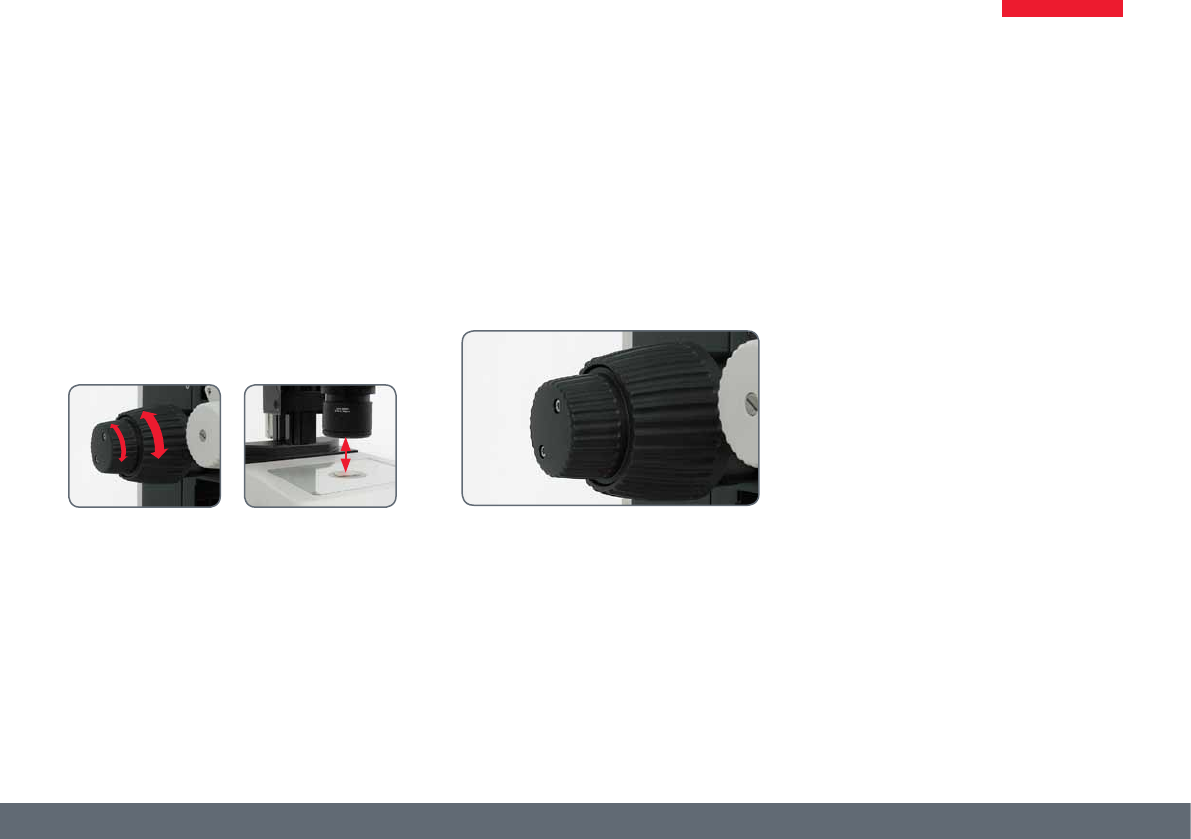
Focusing
Focusing raises or lowers the stereomicroscope
using the focusing drive. The specimen detail is
brought into sharp focus as soon as it is in the
focal point of the objective.
★The focusing drive can be operated either
left- or right-handed.
Focusing
★The inner, coarse adjustment is used for
covering great distances.
★The outer, fine adjustment is used for fine
focusing.
Coarse/fine adjustment
The sharpness is adjusted using the coarse/fine
adjustment.
•2. The coarse/fine adjustment carries a
load of up to 15 kg.
★The resolution of the coarse/fine adjust-
ment is 1 µm.
Leica M series User Manual 34
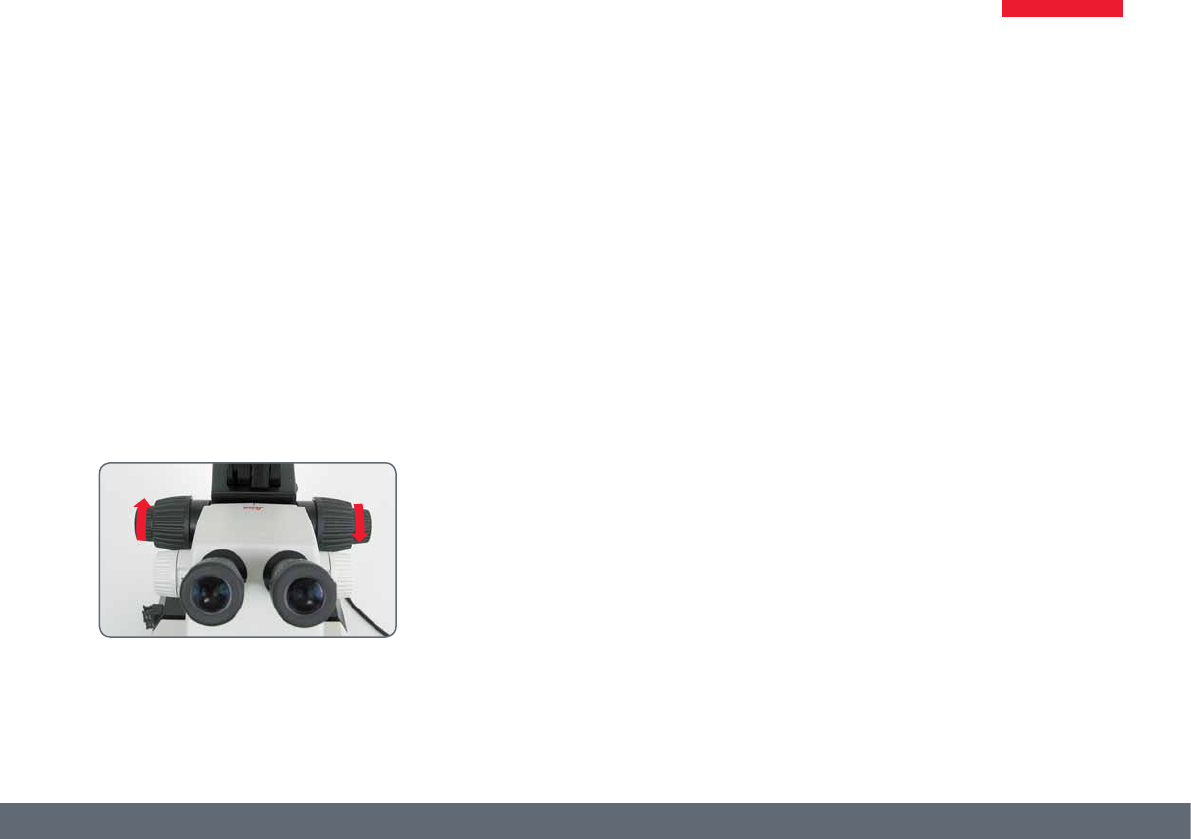
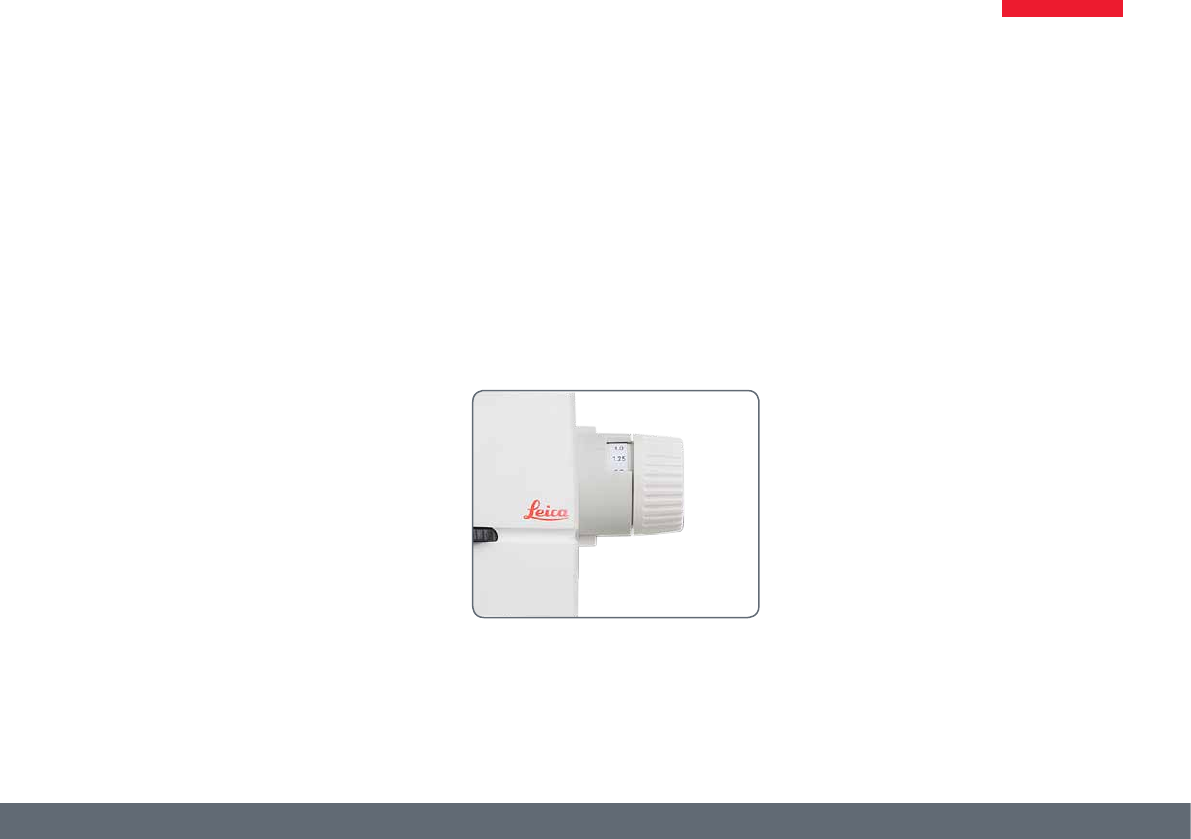
Adjusting the Resistance of the Focus Drive
Adjusting the resistance
Is the focusing drive too loose or too tight?
Does the equipment tend to slide downwards?
The resistance can be adjusted individually
depending on the equipment weight and
personal preferences as follows:
1. Grip the outer drive knobs with both hands
and turn them towards each other until the
desired resistance is reached during focus-
ing.
Leica M series User Manual 35
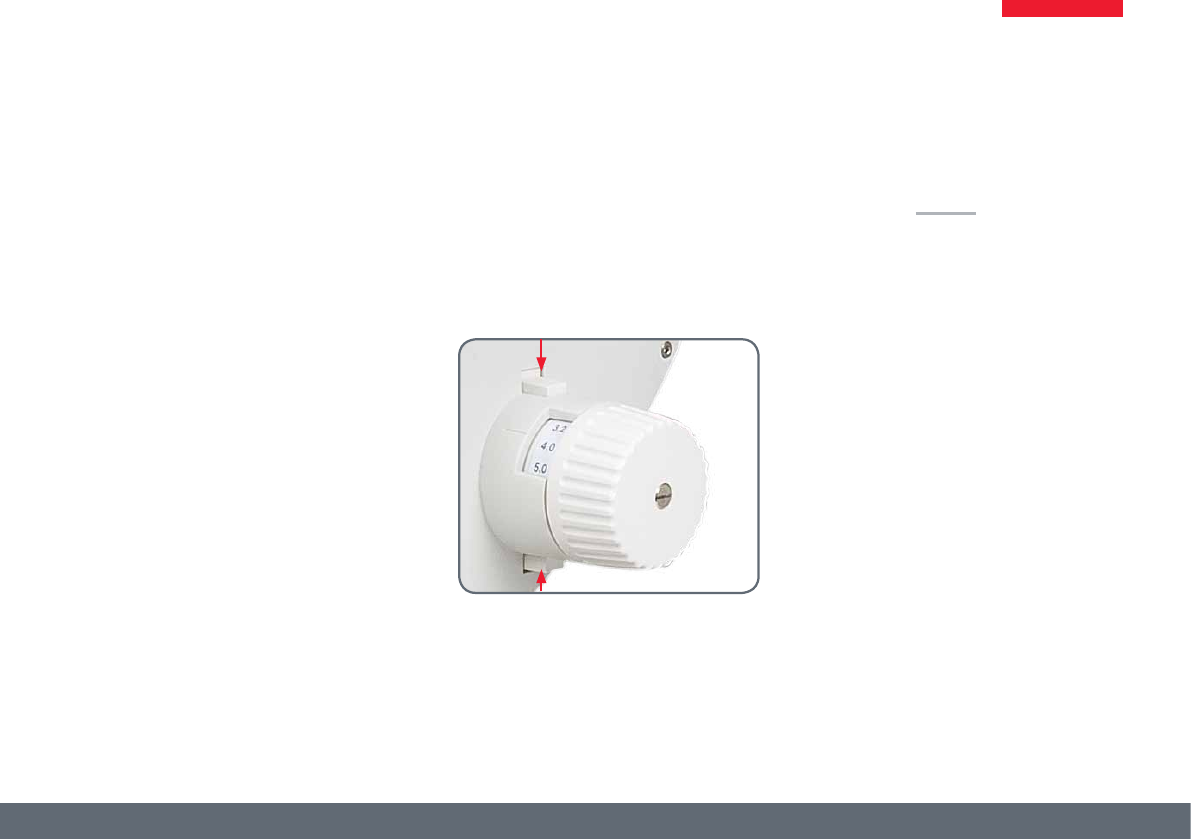
Changing the Magnification (Zoom)
All M series microscopes have an integrated
zoom. The name indicates the zoom range
covered:
★Leica M125 B = 12.5:1
★Leica M165 C B = 16.5:1
The rotary knob for the zoom can be used either
left or right-handed.
Zooming
1. Look into the eyepieces.
2. Focus on the specimen.
3. Rotate the magnification changer until the
desired magnification is configured.
Leica M series User Manual 36
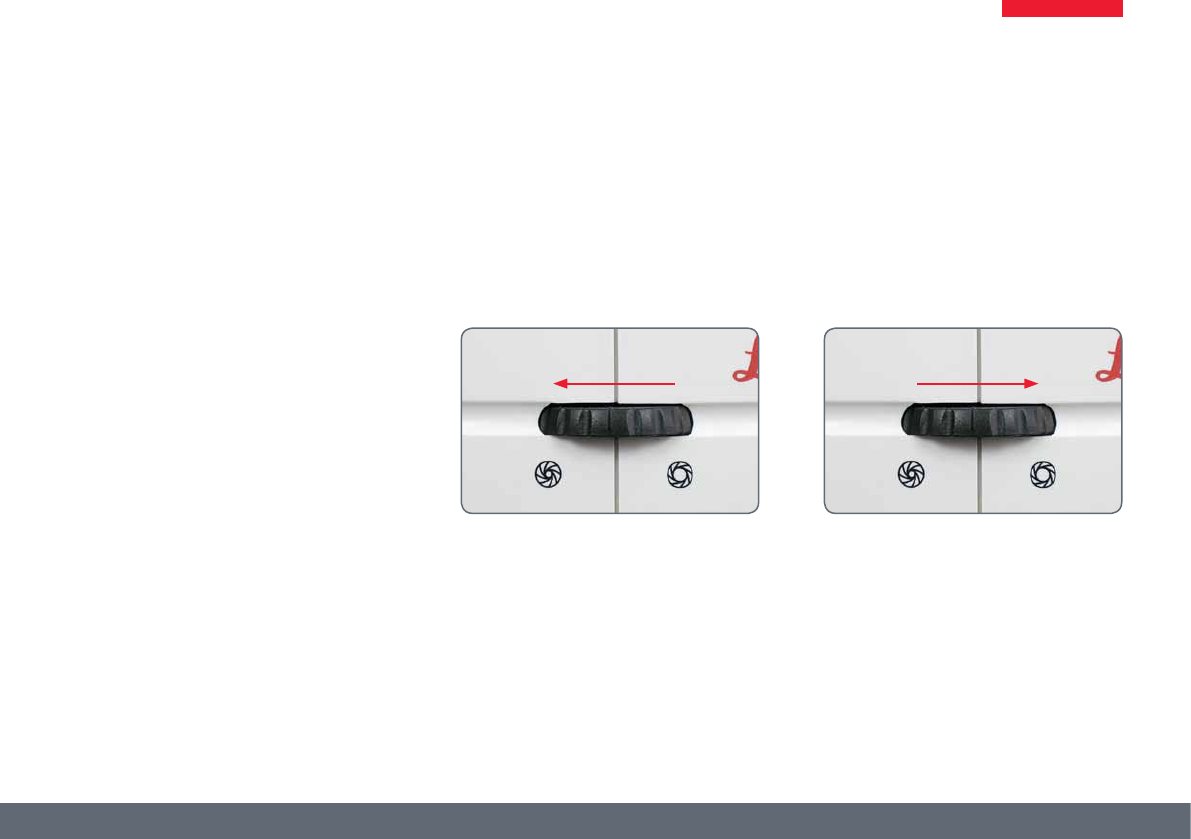
The zoom button can optionally be operated
either with or without ratchet steps. Continu-
ous zoom is possible when the click stops are
disabled, which many users find convenient.
On the other hand, when the click stops are
enabled, photographs, measurement results
etc. can be reproduced more accurately.
Enabling and disabling click stops
1. Push the top button downwards to disable
the ratchet steps.
2. Push the bottom button upwards to enable
the ratchet steps.
Magnifications and fields of view
The formula on page 54 provides additional
information about the magnifications and field
of view diameters, with consideration given to
the position of the magnification changer and
the eyepiece and objective combination used.
Click Stops and Magnifications

Leica M series User Manual 37
Parfocality: More Comfort and Convenience for Your Work
All Leica stereomicroscopes are parfocally
matched, meaning that you can view a focused
specimen from the lowest to the highest
magnification without having to refocus. The
focus needs to be readjusted only if you want
to view a specimen detail that is located higher
or lower.
Requirements for parfocal work
★If you are using an eyepiece with dioptric
correction, the procedure differs from this
description. For more information, refer to
page 43
Parfocality
1. Enlarge the view to the maximum level.
2. Focus on the specimen.
You are done! Even if you select a smaller work-
ing distance, the specimen remains pin-sharp.
The parfocality is maintained until you focus on
another level of the specimen.
Leica M series User Manual 38
The iris diaphragm in the optics carrier of your
M series microscope has the same purpose as
those in a camera shutter: it regulates the avail-
able light, which changes the depth of field. The
"depth of field" (or "depth of focus") is the area
of a specimen that is brought into sharp focus.
Closing the iris diaphragm
★Close the iris diaphragm by turning the
knob to the left. The subject appears darker
and the depth of field increases.
Opening the Iris Diaphragm
★Open the iris diaphragm by turning the
knob to the right. The subject now appears
brighter, but the depth of field decreases.
Iris Diaphragm

Leica M series User Manual 39
Eyepieces

Leica M series User Manual 40
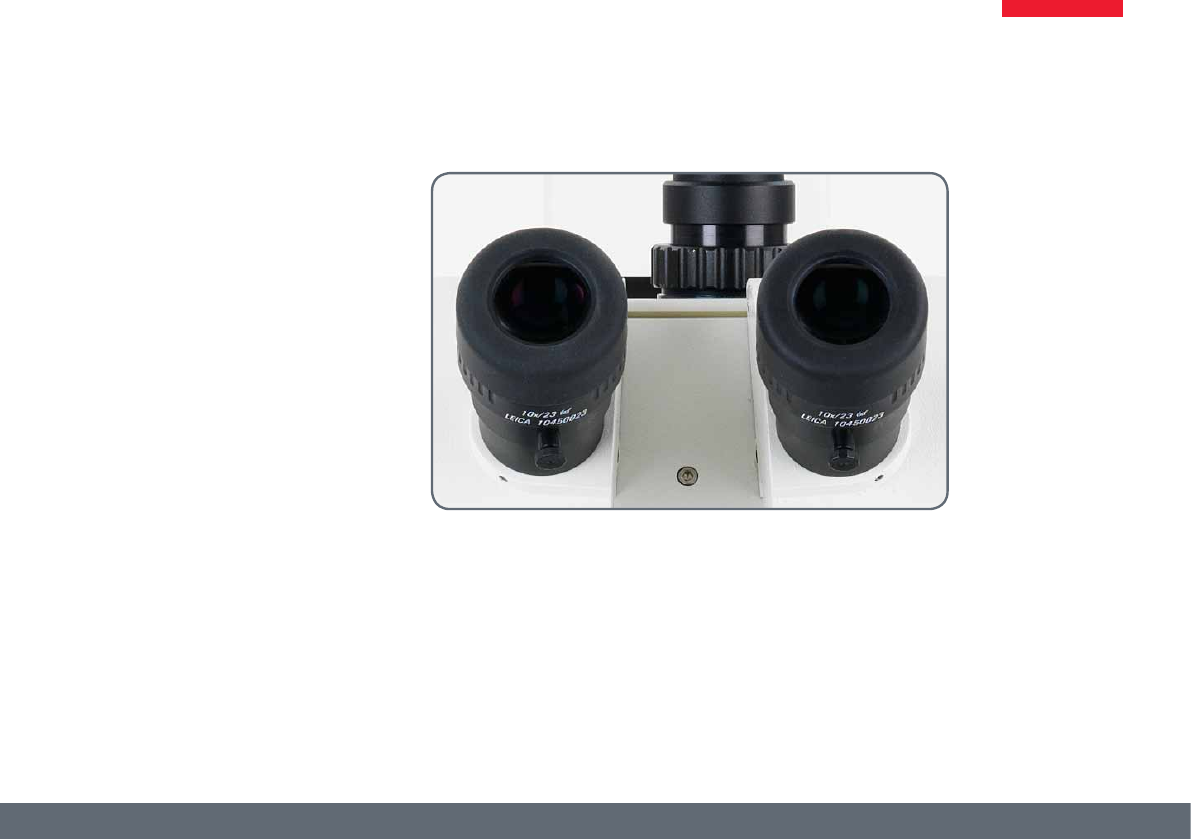
Magnification Factor of the Eyepieces
An eyepiece not only makes it possible to look passively into the micro-
scope, but also has a critical effect on the maximum magnification. The
magnification factor is between 10x and 40x.
The following eyepieces are available for the M series:
Magnification Dioptric Correction Order number
10× ± 5 diopter settings 10 450 023
16× ± 5 diopter settings 10 450 024
25× ± 5 diopter settings 10 450 025
40× ± 5 diopter settings 10 450 026
Leica M series User Manual 41
Health Notes
Potential sources of infection
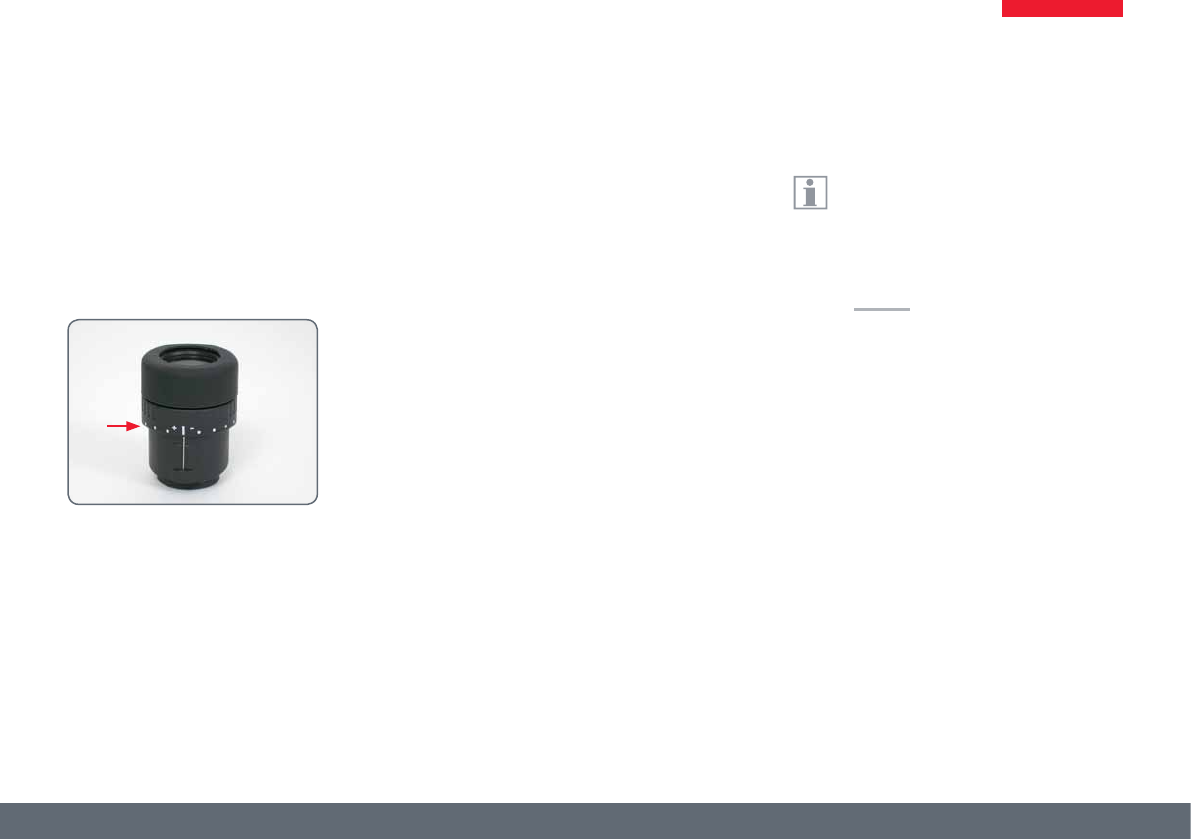
•Direct contact with eyepieces is a
potential transmission method for
bacterial and viral infections of the eye. The risk
can be kept to a minimum by using individual
eyepieces or detachable eyecups. Eyecups can
be ordered separately. Please contact your
Leica partner.
Separate eyecups are an effective way of prevent-
ing infections.
Leica M series User Manual 42
All Leica eyepieces are also available with built-
in dioptric correction, allowing the microscope
to be used without glasses even by those with
vision problems. The correction comprises ±5
diopter settings.
Using the Dioptric Correction
1. Set the dioptric correction of both
eyepieces to the mid position ("0" diopter
settings).
2. While wearing your glasses, look through
the eyepieces and focus on the specimen.
3. Rotate both eyepieces to the maximum
value of "+5".
4. Hold one eye closed and rotate the other
eyepiece in the "-" direction until the speci-
men appears sharp.
5. Then, open the other eye and correct the
diopter settings until the image is uniformly
sharp.
Note that when using dioptric correction,
the advantage of parfocality is lost - thus
you have to manually refocus each time you
change the zoom level. To also use parfocality
with dioptric correction, refer to the instruc-
tions on page 43
Dioptric Correction

Leica M series User Manual 43
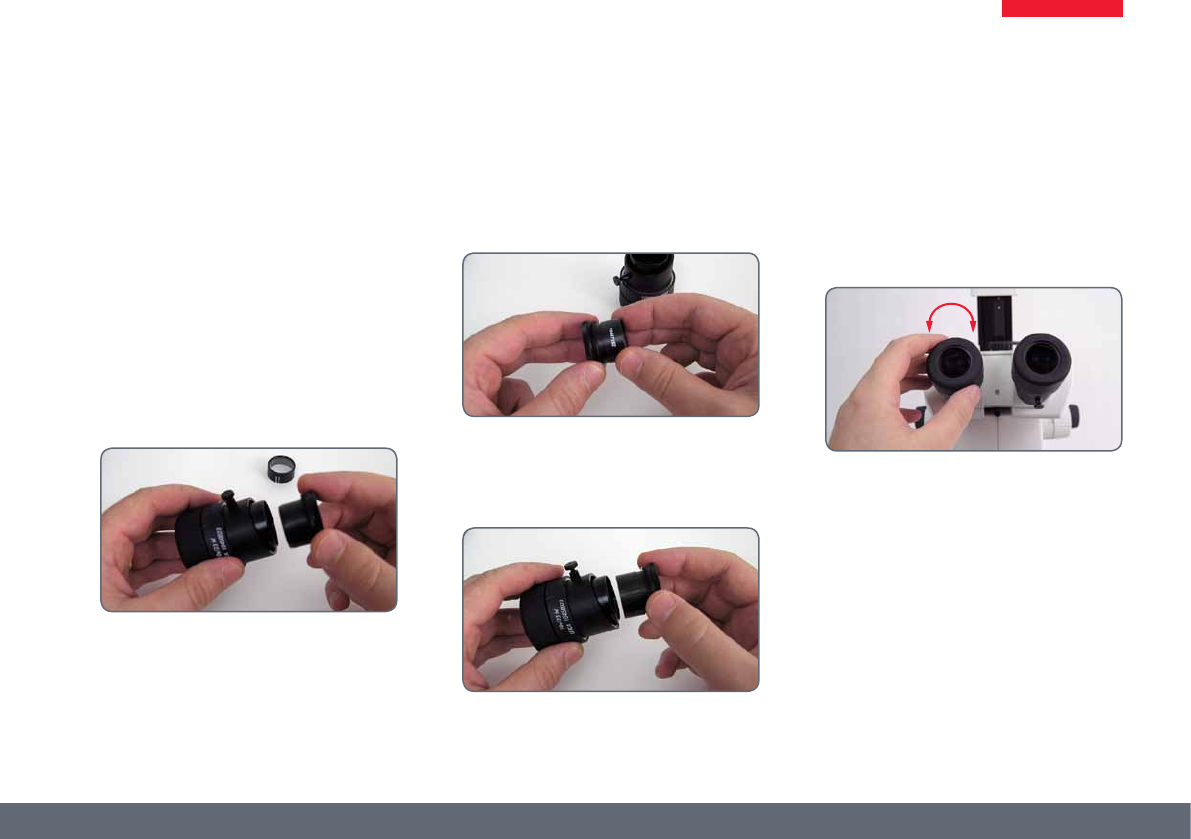
Adjusting
1. Set the dioptric correction for both
eyepieces to "0".
2. Select the lowest magnification and focus
on a flat specimen.
3. Select the highest magnification and read-
just the sharpness.
4. Select the lowest magnification again, but
do not look into the eyepieces.
6. Rotate the eyepieces counterclockwise in
the "+" direction as far as they will go (+5
diopter settings).
Leica stereomicroscopes are parfocally
matched. The prerequisite for this is the correct
setting of the diopters and the parfocality. The
following adjustments have to be carried out
only once by each user.
Preparations
★Move the lever of the video/phototube to
the "observation" position and open the
diaphragm.
7. Look into the eyepieces.
8. Slowly rotate each eyepiece individually
in the "–" direction until each eye sees the
object sharply imaged.
9. Select the highest magnification and refo-
cus if necessary.
Now, if you adjust the magnification from the
lowest to the highest level, the specimen is
always brought into sharp focus. If not, repeat
the process.
Dioptric Correction and Parfocality
Leica M series User Manual 44
Graticules
2. Clamp the graticule on the insert, applying
moderate pressure. Ensure that the grati-
cule fits tightly.
3. Screw the insert and graticule firmly into
place and replace the eyepiece in the tube.
4. You can now align the graticule by rotating
the eyepiece in the tube and then tighten-
ing it using the clamping screw.
Use
Leica graticules make counting easier, particu-
larly for workstations that are not equipped
with a digital camera.
The Leica graticules for length measurements
and numbering are fitted in mounts and are
inserted into the eyepieces.
1. Screw the insert off of the eyepiece.

Leica M series User Manual 45
Objectives and
Optical Accessories

Leica M series User Manual 46
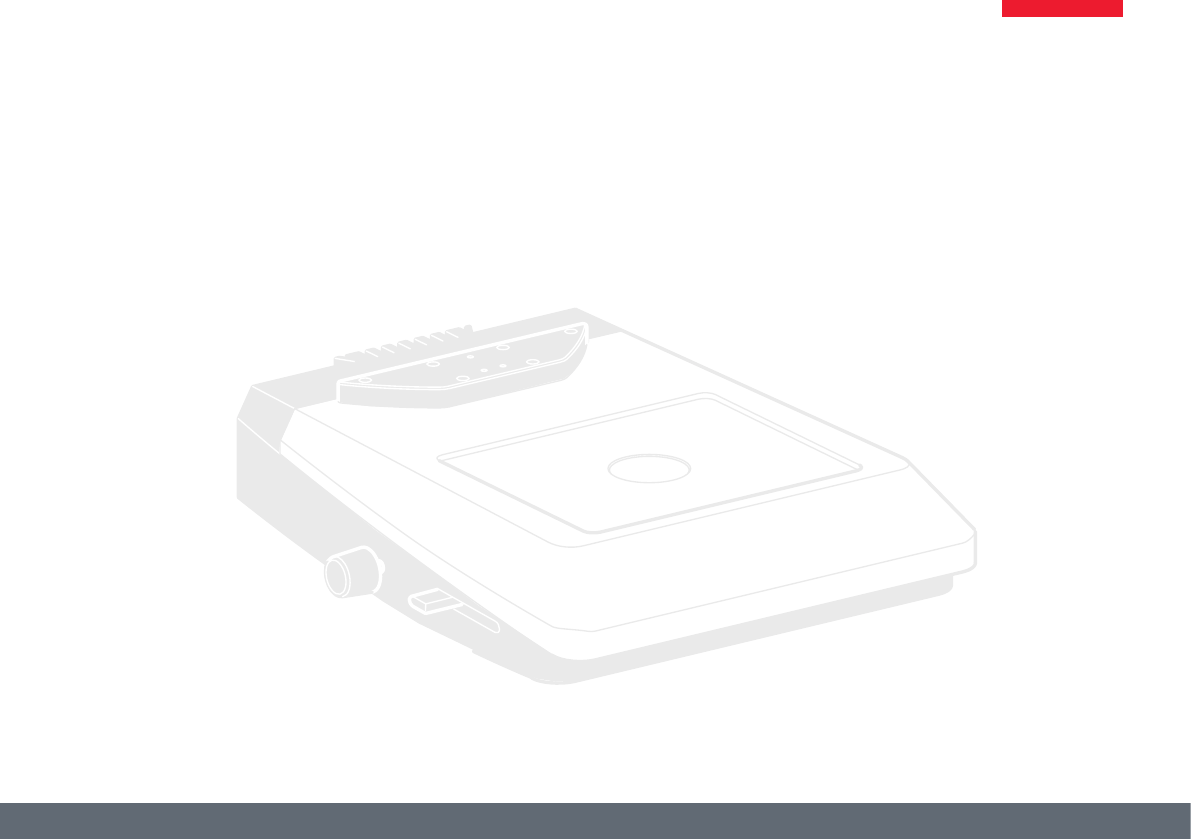
The Different Types of Objectives
To meet the various requirements regarding
imaging properties, there is a choice of high-
quality interchangeable planachromatic and
planapochromatic objectives and also lower-
priced interchangeable achromatic objectives.
★Achromatic objectives are particularly
suited for specimens with high-contrast
structures.
★Flat-field (planachromatic) objectives are
particularly well suited for studying flat
objects such as wafers and thin sections.
★With planapochromatic objectives, the
finest structures are visible with high
contrast. The sophisticated apochromatic
correction allows these objectives to attain
the highest color brilliance and fidelity.
Achromatic objectives
The 0.32×, 0.5×, 0.63×, 0.8×, 1×, 1.5×, 2×
achromatic objectives offer countless variants
for selecting the object field diameter, magnifi-
cation ranges and working distances (see page
54).
Planachromatic objective 1×
For the highest requirements for overall image
quality, we recommend equipping the micro-
scope with the 1× plan (flat-field) objective,
which returns sharp, contrast-rich object fields
all the way to the border.
Achromatic objectives with a long focal
length
For special applications, achromatic objectives
with long working distances and focal lengths
of f=100 mm to 400 mm are available.
Leica M series User Manual 47
Bases
Leica M series User Manual 48
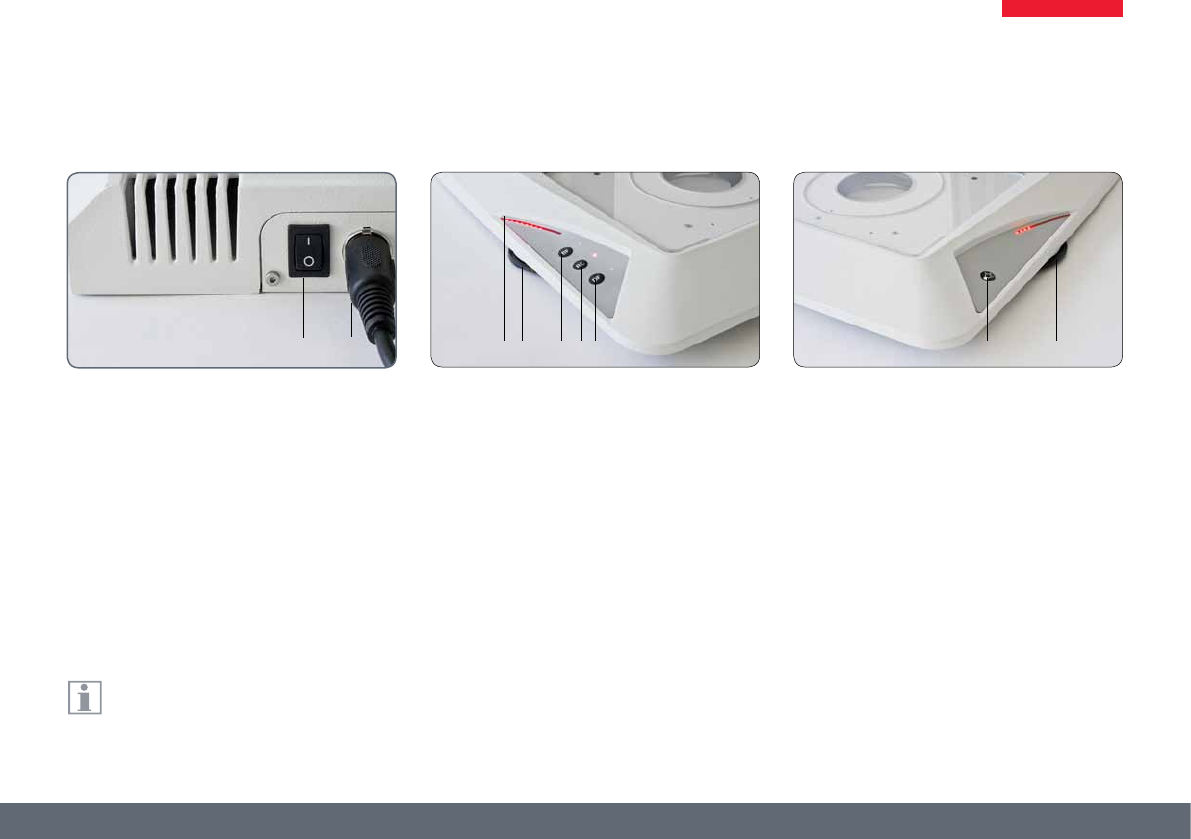
Leica TL5000 Ergo Transmitted Light Base: Controls
Refer also to the separately provided
User Manual for the TL5000 Ergo trans-
mitted light base.
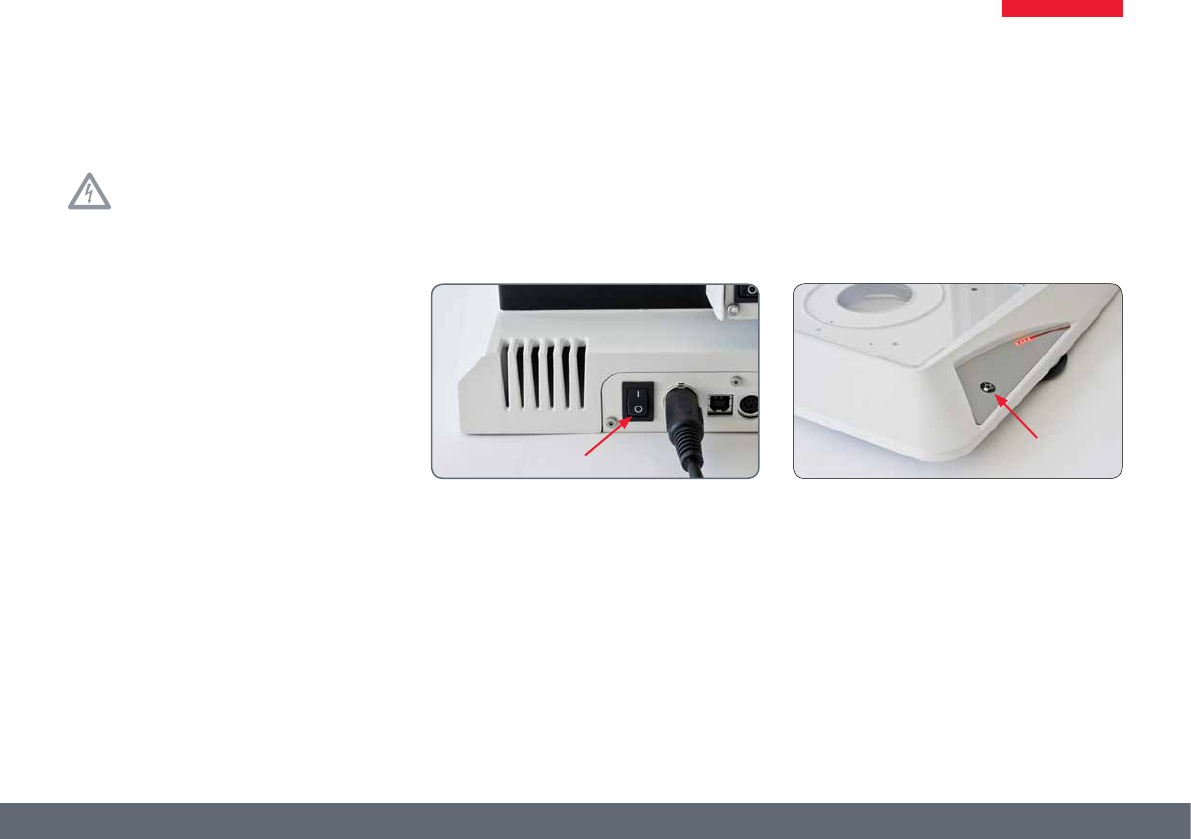
1 Power switch for the base
2 Power supply connection 1 On/Off switch for the light source / Press and
hold for 5 seconds to reset the base to factory
default settings
2 Controls for controlling the brightness inten-
sity
Rear side of the TL5000 Ergo Left side of the TL5000 Ergo Right side of the TL5000 Ergo
1 LED display for opening and positioning
the aperture or for balance in DF mode.
2 Control for the size of the aperture/
balance
3 "BF" button for bright field (press and
hold for 2 seconds to (de)activate the
automatic aperture)
4 "RC" button for Rottermann Contrast / in
the RC mode, press and hold the button
to define the aperture size
5 "DF" button for dark field
1 12 23 4 5
12
Leica M series User Manual 49
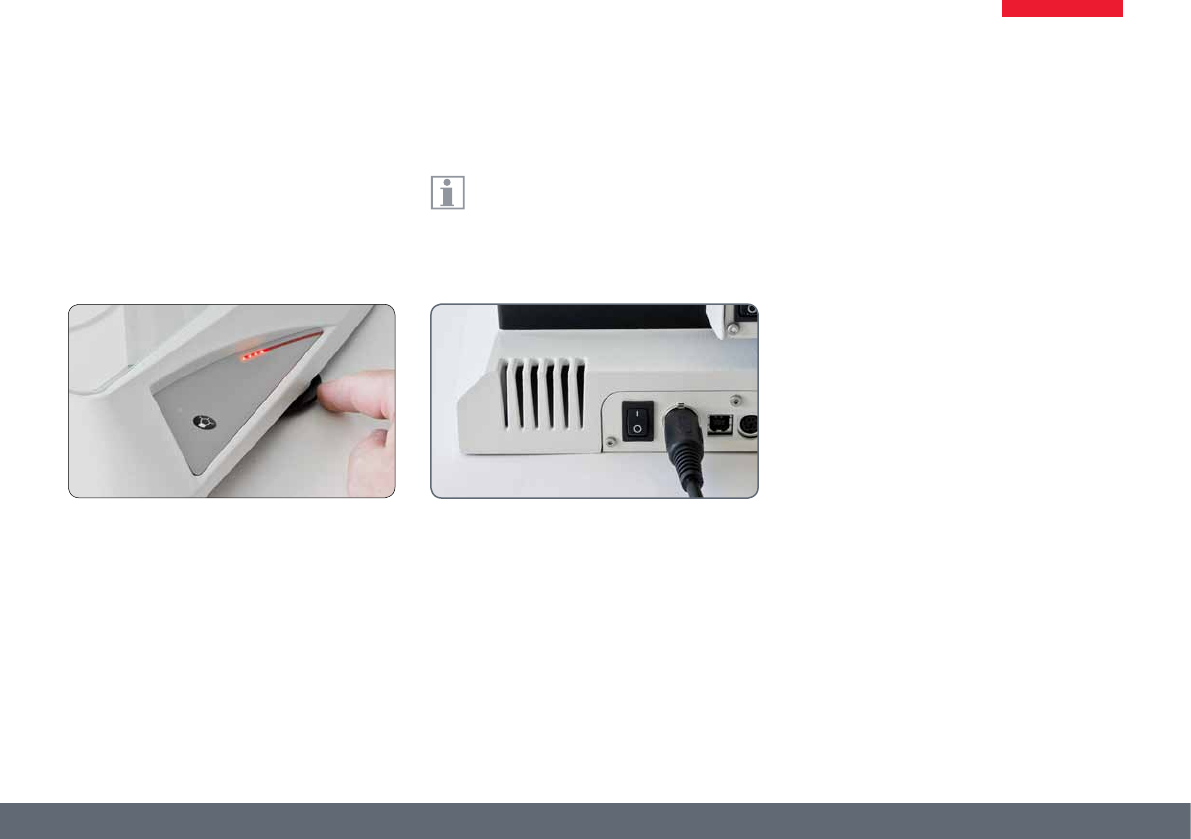
2. Press the on/off switch on the right side
once to turn on the illumination.
Switching the transmitted light base on
and off
1. Switch on the transmitted light base with
the power switch on the rear side.
Leica TL5000 Ergo Transmitted Light Base: Operation
The transmitted light base must only be
connected to a grounded socket with a
faultless power cable! Failure to observe these
warnings may result in serious personal injury
or even death!
•The LED illumination can be very bright!
Check and adjust the intensity of the
illumination to a suitable brightness before
looking through the eyepieces.
Continued on next page.
Leica M series User Manual 50
4 Press the on/off switch on the right side
once again to turn off the illumination on
the base.
Leica TL5000 Ergo Transmitted Light Base: Operation (Continued)
3. Look through the eyepiece and adjust the
light intensity using the control on the
right side. The intensity of the illumination
is visualized by the LED scale.
The following assumes that the power
switch on the rear side of the device
is always switched on. This switch is not
mentioned in the remaining part of this User
Manual.

Leica M series User Manual 51
Technical Data

Leica M series User Manual 52
Leica TL5000 Ergo Transmitted Light Base
Light source
Light source LED
Illuminated field: Bright field ∅65 mm
Illuminated field: Dark field ∅40 mm
Relief Contrast System (RC™) Yes
Internal shutter/lamp control Yes
Integrated filter holder Yes
Matching of high num. aperture Yes
Remote control options Yes
AntiShock™ Pads Yes
Dimensions (W×H×D) 412×341×46 mm
Power supply
Input 100–240 VAC 47 – 63 Hz 3.2 A
Output 33 VDC 3.93 A 130 W MAX
Connections
Power supply 1

Leica M series User Manual 53
Appendix

Leica M series User Manual 54
Calculating the Total Magnification and Field of View Diameter
Parameter
MO Magnification of objective
ME Magnification of eyepiece
zMagnification changer position
qTube factor, e.g. 1.5× for coaxial incident light, 1.6× for 45°
ErgoTube™
rFactor 1.25× if the planachromatic and planapochromatic
objectives of the MZ125/MZ16 are used on the MS5, MZ6,
MZ75 or MZ95
NFOV Field number of the eyepiece. Field numbers are printed on the
eyepieces: 10× = 21, 16× = 14, 25× = 9.5, 40× = 6.
Example
MO 1× objective
ME 25×/9.5 eyepiece
zZoom position 4
qCoaxial incident light 1.5×, tube factor
rFactor 1.25×
Calculation example: magnification in the binocular tube
MTOT VIS = MO × ME × z × q × r
or
1 × 25 × 4 × 1.5 × 1.25 = 187.5×
Calculation example: field of view diameter in the specimen
∅ OF:
NFOV
MO × z ×q ×r

Leica M series User Manual 55
Care, Maintenance, Contact Persons
We hope you enjoy using your high-perfor-
mance microscope. Leica microscopes are
renowned for their robustness and long service
life. Observing the following care and clean-
ing tips will ensure that even after years and
decades, your Leica microscope will continue to
work as well as it did on the very first day.
Warranty benefits
The guarantee covers all faults in materials
and manufacture. It does not, however, cover
damage resulting from careless or improper
handling.
EC Declaration of Conformity
To download the EC Declaration of Conformity,
use this link
http://www.leica-microsystems.com/
products/stereo-microscopes-macroscopes/
research-manual/
Select the microscope type and go to the
"Download" page.
Care
★Protect your microscope from moisture,
fumes and acids and from alkaline, caustic
and corrosive materials and keep chemicals
away from the instruments.
★Plugs, optical systems and mechanical parts
must not be disassembled or replaced,
unless doing so is specifically permitted
and described in this manual.
★Protect your microscope from oil and
grease.
★Do not grease guide surfaces or mechani-
cal parts.

Leica M series User Manual 56
Care, Maintenance, Contact Persons (continued)
Protection from dirt
Dust and dirt will affect the quality of your
results.
★Put a dust cover over the microscope when
it will not be used for a long time.
★Use dust caps to protect tube openings,
tubes without eyepieces, and eyepieces.
★Keep accessories in a dust-free place when
not in use.
Cleaning polymer components
Some components are made of polymer or are
polymer-coated. They are, therefore, pleasant
and convenient to handle. The use of unsuit-
able cleaning agents and techniques can
damage polymers.
Permitted measures
★Clean the microscope (or parts of it)
using warm soapy water, then wipe using
distilled water.
★For stubborn dirt, you can also use ethanol
(industrial alcohol) or isopropanol. When
doing so, follow the corresponding safety
regulations.
★Remove dust with a bellows and a soft
paintbrush.
★Clean eyepieces and objectives with special
optics cleaning cloths and pure alcohol.

www.leica-microsystems.com
Copyright © Leica Microsystems CMS GmbH • Ernst-Leitz-Straße • 35578 Wetzlar
Germany 2013 • Phone +49 6441-29-0 • Fax +49 6441-29-2599
LEICA and the Leica logos are registered trademarks of Leica IR GmbH.
Printed on chlorine-free bleached paper. III/13/M.H. Revision 1.0, issued March 14th, 2013
