R3 Design Rationale 00438V1
2015-04-30
: Pdf R3 Design Rationale 00438V1 R3_design_rationale_00438V1 4 2015 pdf
Open the PDF directly: View PDF  .
.
Page Count: 16
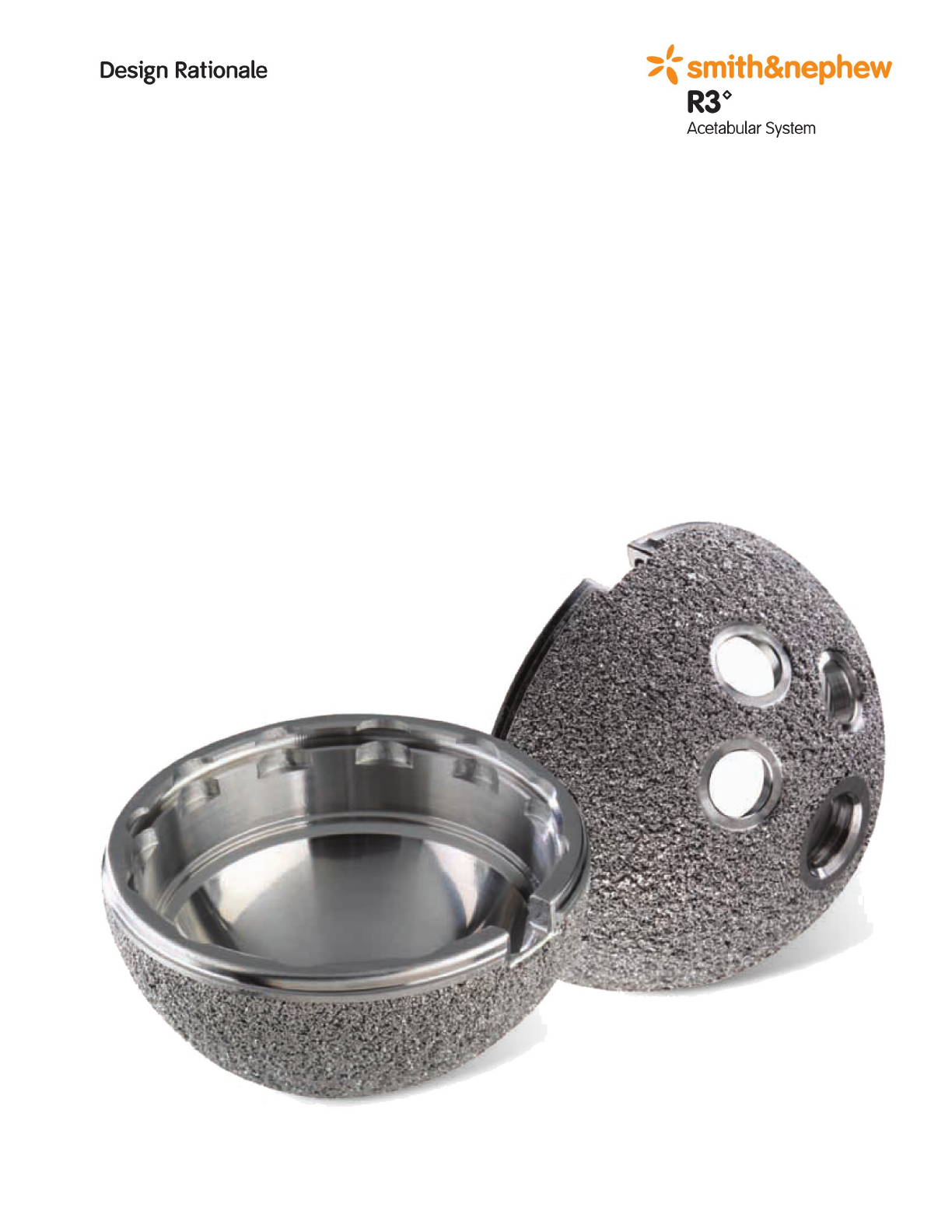
We would like to thank the following surgeons for their
participation as part of the R3™ Acetabular System design team:
Robert Barrack, MD
St. Louis, Missouri
Robert Bourne, MD
London Health Sciences Center
London, Ontario, Canada
Jonathan Garino, MD
University of Pennsylvania School of Medicine
Philadelphia, Pennsylvania
Wayne M. Goldstein, MD
Clinical Professor of Orthopaedics
University of Illinois at Chicago
Illinois Bone and Joint Institute
Chicago, Illinois
Richard Kyle, MD
Minneapolis, Minnesota
Stephen J. McMahon MB BS,
FRACS(Orth), FA(Orth)A
Senior Lecturer Monash University
Malabar Orthopaedic Clinic
Melbourne, Australia
John L. Masonis, MD
OrthoCarolina
Hip & Knee Center
Charlotte, North Carolina
Henrik Malchau, MD
Associate Professor Harvard Medical School
Codirector The Harris Orthopaedic
Biomechanics and Biomaterials Laboratory
Massachusetts General Hospital
Boston, Massachusetts
Michael Ries, MD
University of California
San Francisco, California
Cecil Rorabeck, MD
Professor of Orthopaedic Surgery
University of Western Ontario
London, Ontario, Canada
Van Paul Stamos, MD
Illinois Bone and Joint Institute
Glenview, Illinois
Clinical Instructor of Orthopaedic Surgery
Northwestern University Medical School
Chicago, Illinois
Contents
1
Introduction ..............................................2
Advanced bearing capabilities
VERILAST™ Technology Oxidized Zirconium
on XLPE .........................................................3
Ceramic-on-ceramic ......................................6
Stability
Larger head sizes ........................................ 10
Locking mechanism .....................................12
STIKTITE™ Porous Coating ............................ 14
Instrumentation .................................... 16
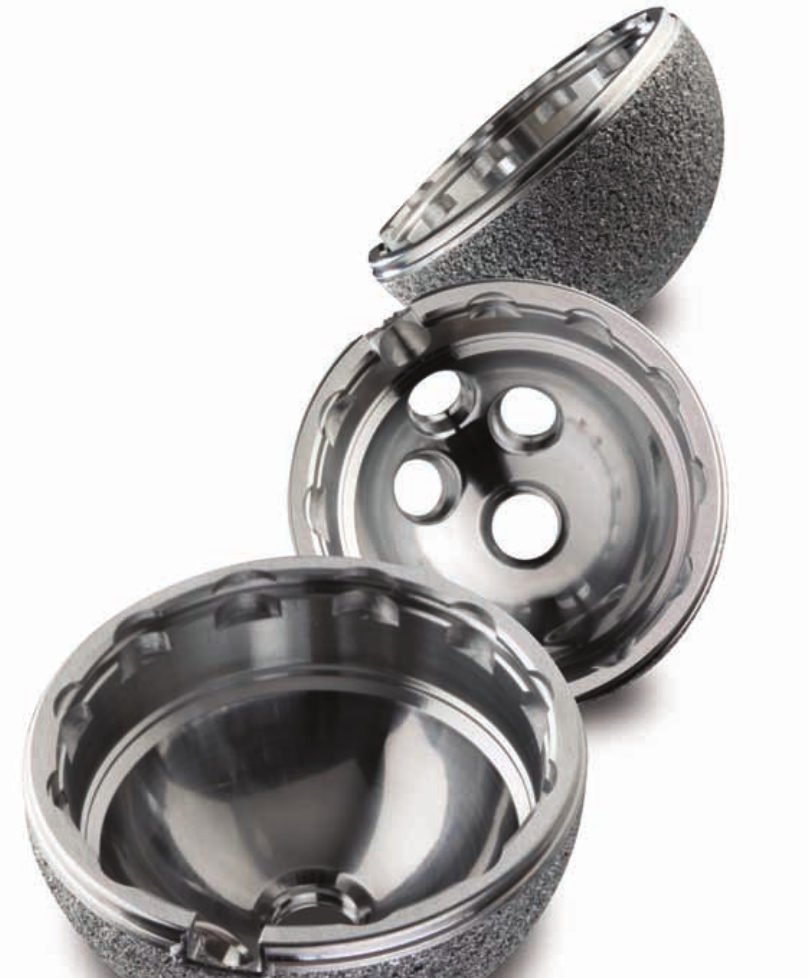
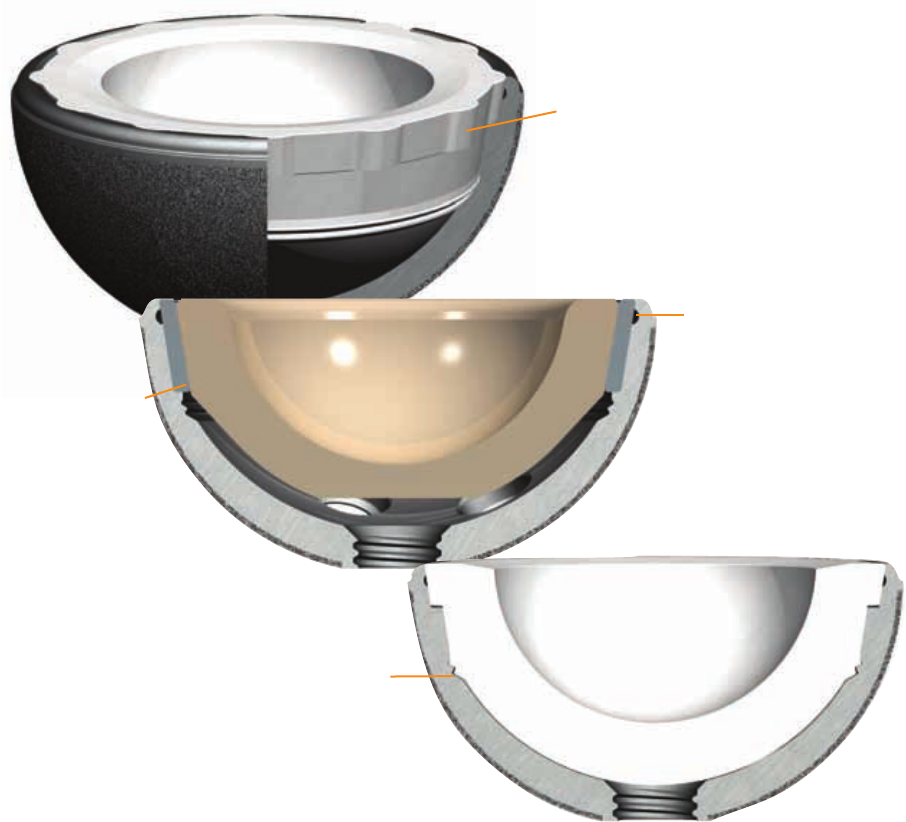
2
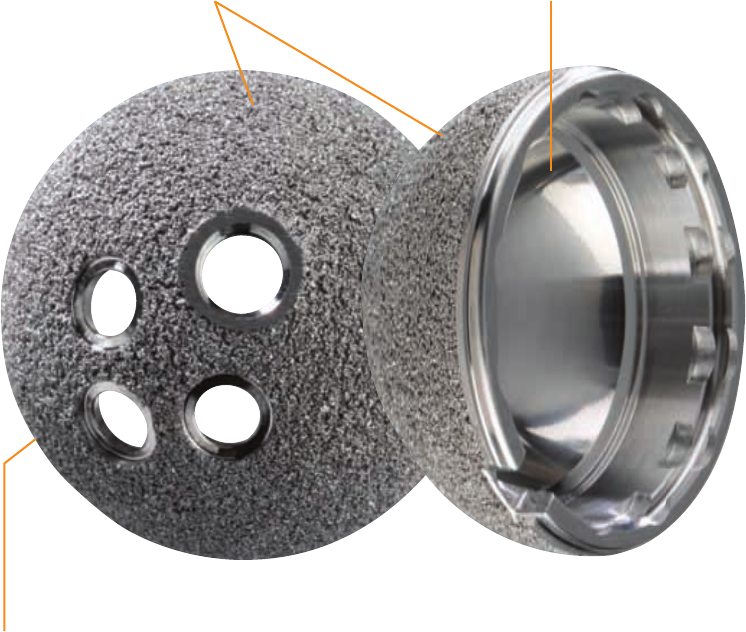
Polished inner surface to
minimize backside wear
NO HOLE, THREE
HOLE, and MULTI HOLE
hemispherical
shell offering
STIKTITE™ Porous Coating
for enhanced scratch-t feel
and enhanced initial xation
General features
R3volution in motion
The R3™ Acetabular System combined with the Smith & Nephew
portfolio of hip stems provides an advanced hip replacement
system with:
• Wide range of advanced bearing options
• Excellent primary stability
• Flexible instrumentation
3
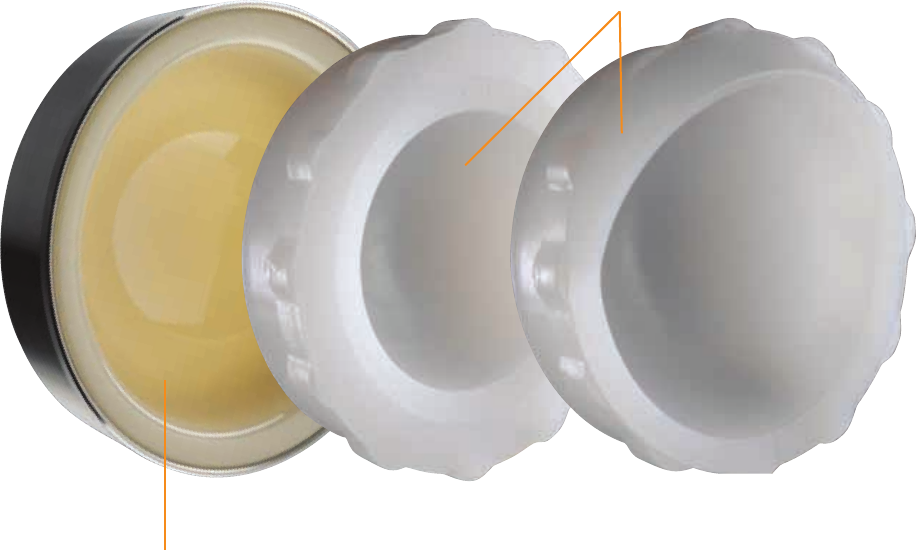
Ceramic-on-ceramic
offered in BIOLOX® Forte
XLPE
Offered in 0 and 20 degree,
0 and 20 degree +4mm
lateralized, and
constrained options
R3™ Liner options
4
Advanced bearing surfaces: VERILAST™ Technology
Oxidized Zirconium with XLPE
R3™ system with VERILAST
Technology is an advanced
bearing option
VERILAST™ Technology for hips from
Smith & Nephew uses the exclusive bearing
combination of proprietary OXINIUM™ and
highly cross-linked polyethylene, which
provides superior clinical survivorship and
biocompatibility without sacricing
versatility or introducing the risk of
ceramic-like fracture.1
Most importantly, VERILAST Technology
provides low wear, corrosion avoidance
and real-life results.OXINIUM material
along with 10 Mrad XLPE provides the
wear performance of hard bearings
along with the intraoperative options
of hard-on-soft bearings.
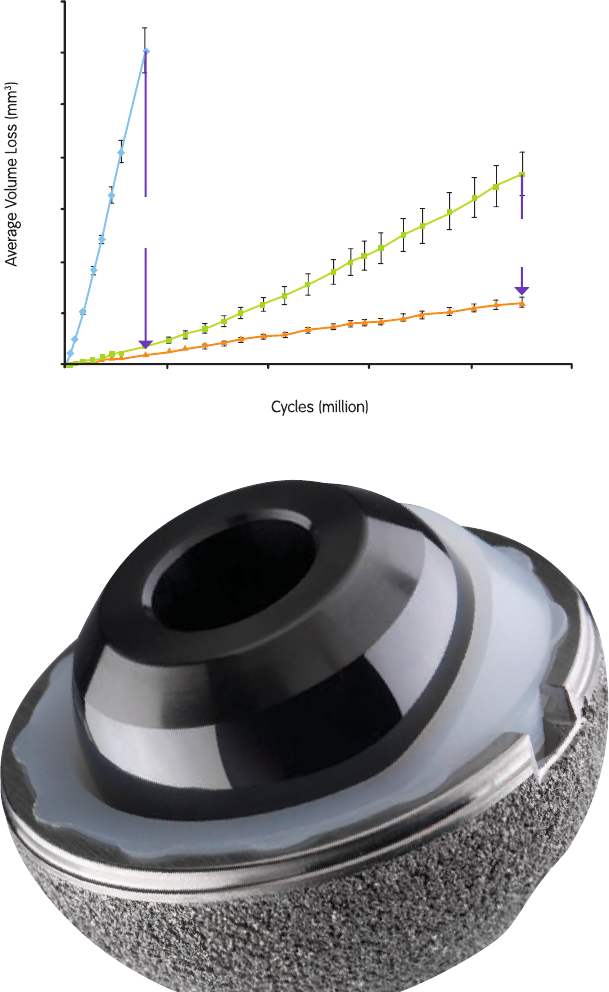
Wear performance
VERILAST Technology for total hip arthroplasty
has been tested and shown to provide superior
wear performance compared to CoCr on highly
crosslinked polyethelene, for up to 45 million
cycles.2 With advanced materials designed
to last, VERILAST Technology helps restore
patients to their active lifestyles, allowing joint
pain to be addressed earlier.
4
Cumulative volumetric wear comparison2
CoCr (32mm) against CPE
700
600
500
400
300
200
100
010 20 30 40 50
0
CoCr (36mm) against 10-XLPE
OxZr (36mm) against 10-XLPE
80%
Reduction in volumetric wear
after 7.8 million cycles 67%
Reduction in volumetric wear
after 45 million cycles
Real life results
Oxidized Zirconium has a clinical history of
more than 10 years. Over 190,000 components
have been implanted successfully to date.
Impressive clinical wear performance of
OXINIUM heads has been reported in global
registry data. In the 2013 Australian Registry,
the ceramicized metal/cross-linked polyethylene
category, which includes the exclusive OXINIUM
alloy from Smith & Nephew, had the highest
survivorship of all bearing categories at ve
years: 98.0%.1
5
Biocompatibility
Protect against taper corrosion
There is a growing concern in the orthopaedic
community about fretting and corrosion at the
head neck taper junction.With its biocompatible
properties, due to its use of Oxidized Zirconium,
VERILAST Technology has shown to reduce
taper corrosion in total hip arthroplasty,
minimizing the concern of trunnionosis.
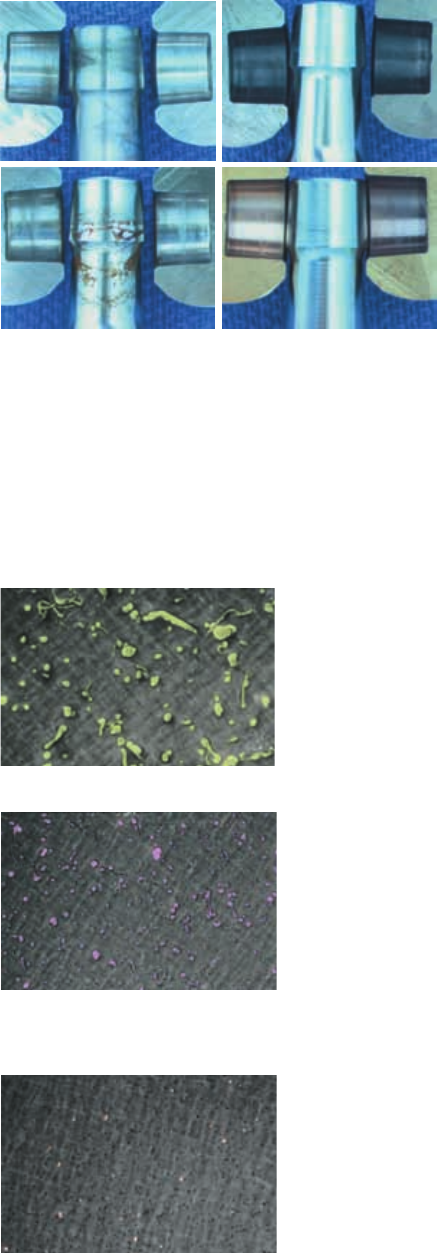
A study by Pawar et al. used an acidic
fretting test to compare the potential corrosive
and fretting responses of OXINIUM™ (OxZr),
cobalt chrome (CoCr) and stainless steel
(StSt) femoral heads. As the study states,
“The OxZr heads coupled with Ti-6Al-4V
and SS trunnions showed the least chemical
attack on either the head or the trunnion.”3
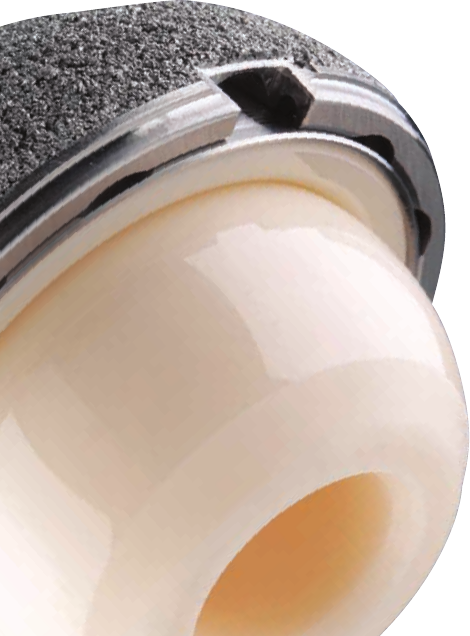
Standard unirradiated polyethylene
5 Mrad irradiated crosslinked poly, showing
an increase in the number of particles in
conjunction with a decrease in average size
High magnication images of captured particles
10 Mrad irradiated R3™ XLPE showing a
reduction in total number of particles
Ti64
CoCr OxZr
Ti64
StSt
StSt
OxZr
StSt
Image from Pawar et al., ASMI 2004.
Not your average
cross-linked poly
The Smith & Nephew 10 Mrad, fully annealed
XLPE is the only crosslinked polyethylene
proven to produce less volume of wear debris
particles in all size ranges.4,5 Less wear debris
provides a reduced chance for osteolysis.
All currently marketed crosslinked poly
indicates a signicant improvement in the
volume of wear debris, which would lead one
to assume all crosslinked poly is the same.
However, Smith & Nephew investigated more
closely and found that not all crosslinked poly
minimizes the amount of particles generated.
Because the wear particles of crosslinked poly
can be smaller in size than with UHMWPE,
it is possible to reduce the volume but
actually increase the number of particles.4,5
The Smith & Nephew crosslinked polyethylene
signicantly reduces the number of particles
generated. The gravimetric wear rate of R3
XLPE is not measurable in a hip simulator, but
the number of particles generated is reduced
by 80% compared to traditional CoCr on
conventional poly bearing.6
OxZr (36mm) against 10-XLPE
6
R3™ ceramic-on-ceramic
bearing couple
Ceramic-on-ceramic bearing surfaces
have been used worldwide in total hip
replacement for more than 30 years.
Renewed interest in ceramics as an alternate
bearing surface has been driven by the
following:
• New technology
• Improved manufacturing processes
and standards
• New designs
This translates into improvements in
the following:
• Mechanical and physical properties
• Wear characteristics
• Optimized biocompatibility
• Reliability expected by today’s more
active patients
Due to the reduced grain size, ceramic
components are harder than before. That has
led to wear rates as low as 0.001mm/year.7,8
Neck impingement
In ceramic bearing systems, increases
wear and decreases implant longevity.9
The ush-seating liners of the R3 ceramic
acetabular system in combination with Smith
and Nephew femoral stem neck geometry:
• Increases the range of motion and
consequently, may reduce the likelihood
of impingement.9
• Mitigates the risks of metal transfer and
increased friction imposed by designs with
a raised rim.10
Advanced bearing surfaces: ceramic-on-ceramic
6
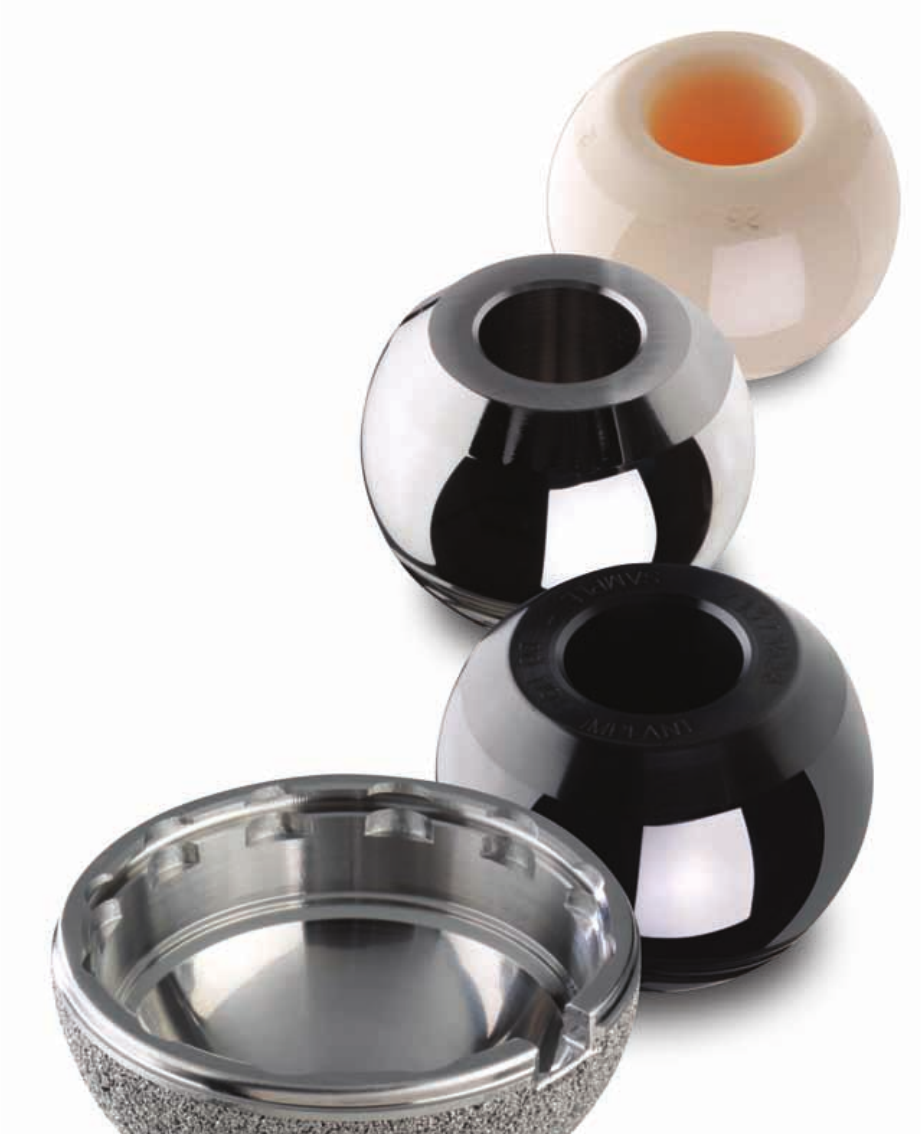
Titanium support ring for added strength
The unique feature about R3 ceramic liners
is that they come with a titanium support
ring around the periphery of the liner. The
support ring and ceramic liner are precisely
assembled utilizing a cold pressing process,
which assures that the material properties of
the ceramic and titanium are not altered.
The support ring offers greater
protection against chipped edges.
The R3 system’s ceramic design is an
assembled combination of:
• A ceramic component made from orthopaedic
industry standard material, BIOLOX® Forte
• A precision-machined support ring made of
a Titanium alloy (Ti-6Al-4V) that is commonly
used in orthopaedic implants.
7
Stability: head/shell ratios
Optimized head/shell ratios
Use of larger diameter femoral heads has
been clinically reported to decrease the
probability of dislocation in patients.11-14
• Large heads increase the ROM of the joint11-13
• Large heads reduce the incidence of neck impingement
with soft tissue or the edge of the shell14

8
With the R3™ Acetabular System, surgeons have the option
of using larger head sizes in smaller acetabular shells:
R3 OXINIUM™ alloy on XLPE acetabular system:
36mm head in a 52mm cup size
XLPE Ceramic
Cups 22 28 32 36 40 44 28 32 36
40
42
44
46
48
50
52
54
56
58
60
62
64
66
68
70
72
74
76
78
80
Stability: head/shell ratios continued
9
R3™ locking mechanism for secure liner stability
R3 locking mechanism design features:
• Locking taper that supports ceramic liners
• Double-channel lock design that provides axial stability for poly liners
• 12 large anti-rotational tabs on the poly liner that provide rotational stability
Intraoperative adjustments to the liner position
may be performed with true condence.
Independent researchers conrm that in some
competitive locking designs, the liner can be
signicantly damaged by extraction, which
prohibits liner repositioning.15 Laboratory tests
of the R3 locking mechanism have shown it
withstands consecutive insertions of the same
liner without damaging its locking integrity.16
Anti-rotation tabs
Constrained liner
locking mechanism
XLPE locking
mechanism
Hard-bearing taper
locking mechanism
Stability: locking mechanism
10
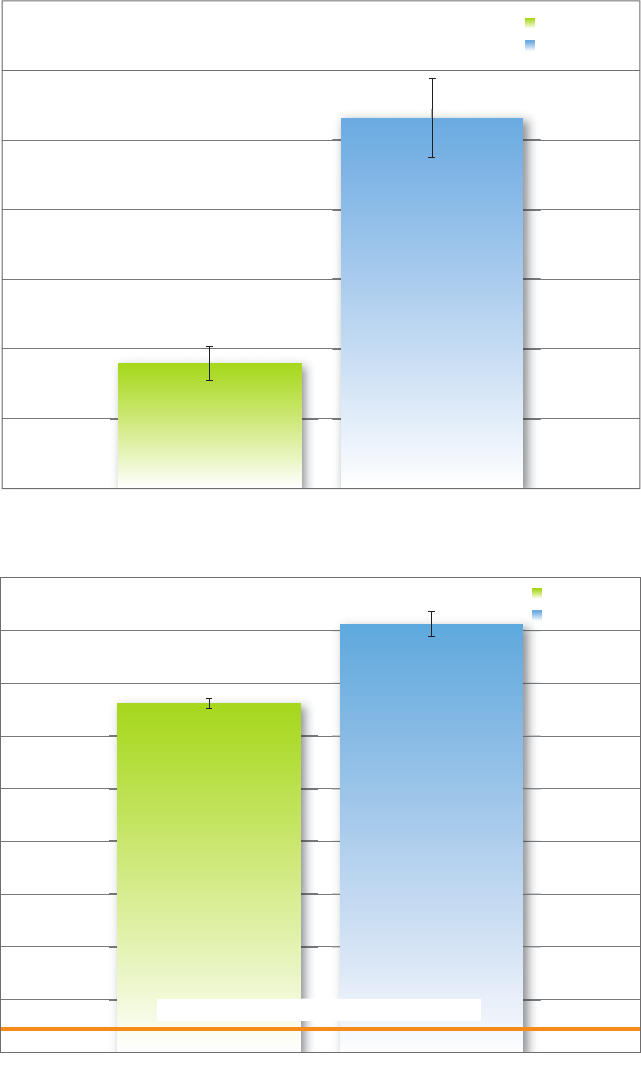
Push-out and torque-to-failure tests of the R3™ locking mechanism demonstrate
that it offers the benet of a secure and stable liner. The R3 lock can withstand over
1112N of push-out force in any of its liner options and over 40 N-m of torque.
0
200
400
600
800
1000
1200
1400
Push-out Load (N)
REFLECTION™
R3
0
5
10
15
20
25
30
35
40
45
Torque-to-failure (N-m)
REFLECTION
R3
Maximum predicted in-vivo torque = 2.4 N-m
17
18
Stability: locking mechanism continued
11
Enhanced stability and xation
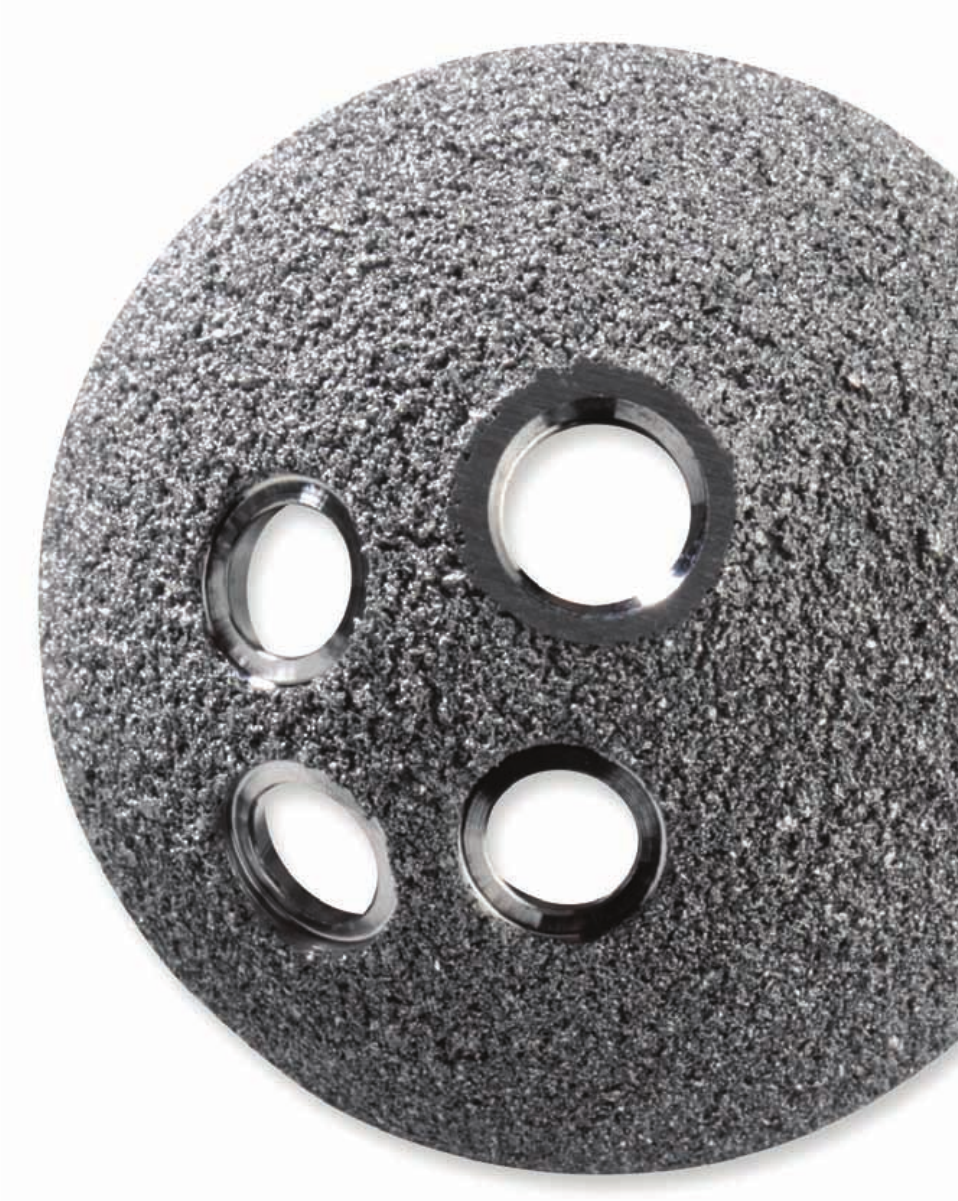
with STIKTITE Porous Coating
Utilizing STIKTITE coating on the R3™ Acetabular
Shells allows for a true scratch-t feel
during the shell seating and a clinically
proven in-growth surface for long-term
implant success.19
Stability: STIKTITE™ Porous Coating
12
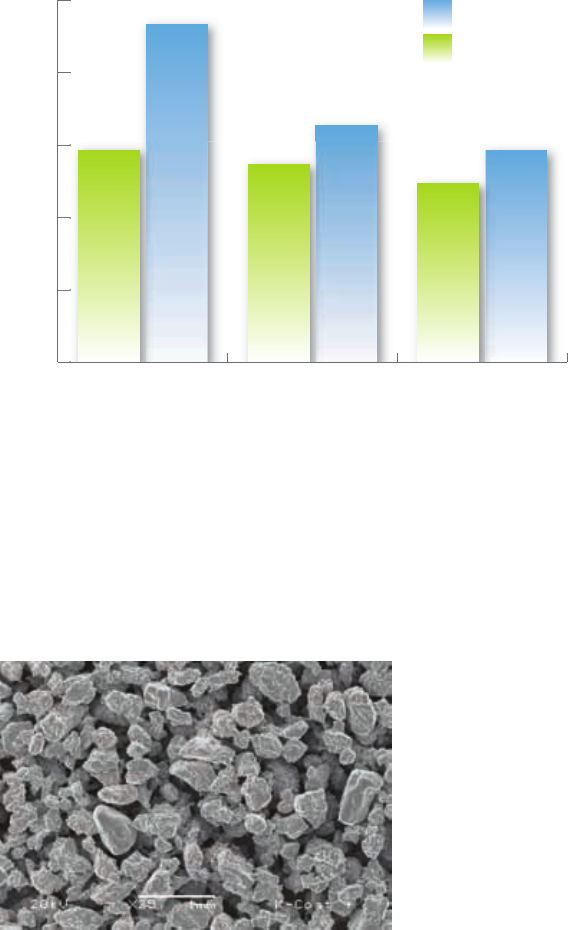
0.0
0.3
0.6
0.9
1.2
1.5
Cancellous bone
Cortical bone
Frictional coefficient
Porous tantalum,
EDM-shaped
Porous tantalum,
net-shaped
STIKTITE coating
STIKTITE coating is a sintered three-dimensional asymmetric
titanium powder that has a porosity of about 60%. Increased
porosity allows for potentially greater bone ingrowth, which
can enhance long-term xation and implant stability. STIKTITE
coating provides enhanced initial mechanical stability, which
is particularly important in damaged or less biologically active
bone. The average pore size of STIKTITE coating (200 µm) is
within the 100– to 500–µm range for optimal bone ingrowth.
Frictional coefcients of bone ingrowth structures against
cancellous and cortical bone (n=96 to 100)
20
STIKTITE Porous Coating demonstrated a higher coefcient of
friction compared to porous tantalum when tested by the same
method.
20
The mean coefcient of friction for STIKTITE coating
was higher than that of porous tantalum against both cancellous
and cortical bone. These results indicate that STIKTITE coating
should have superior friction, scratch-t feel and initial xation
stability as compared to porous tantalum.
Stability: STIKTITE™ Porous Coating continued
13
Instrumentation
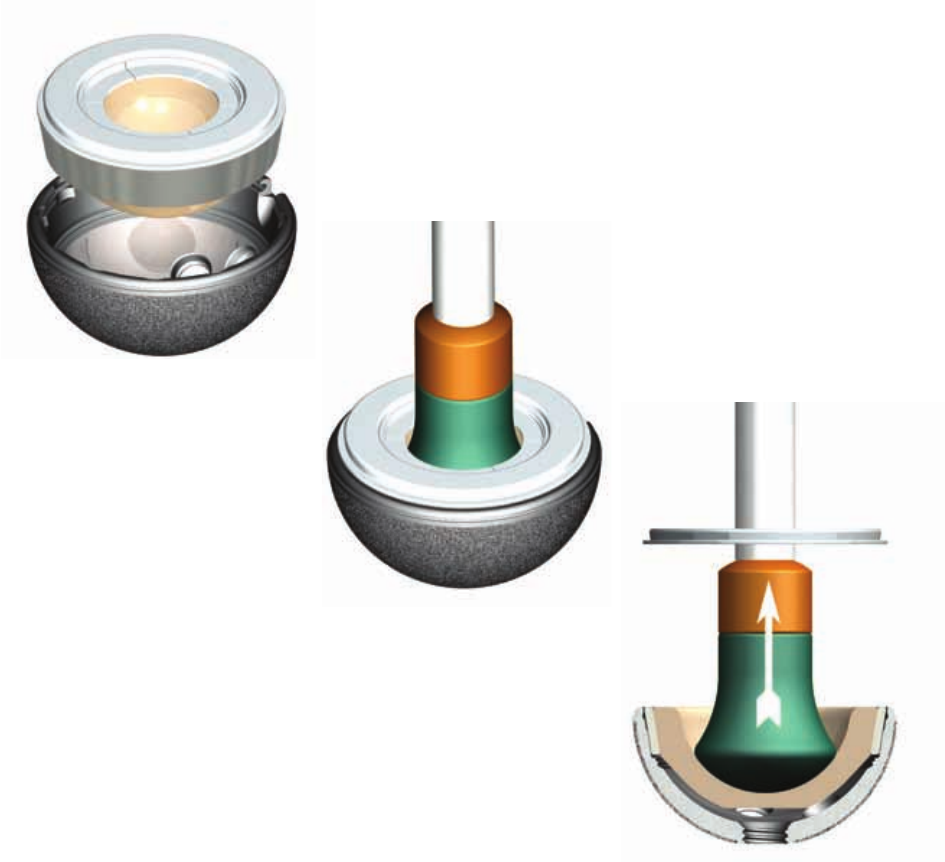
Preassembled alignment ring
on all hard bearing liners.
Alignment ring allows for easy placement of
the hard bearing liner in the shell. The liner
impactor can then be inserted through an
opening in the alignment ring and the liner
can be seated with an impaction force.
Upon impaction the ring will
disengage and remain on the liner
impactor for later disposal.
The hard bearing liner is now
perfectly seated in the shell.
Streamlined instrumentation
improves surgical efciency
This seemingly simple technique is a very
effective way of precisely placing the hard
bearing liners inside the shell without the
issue of improper seating due to misalignment
as seen in other competitive systems.21-22
Cocking of a ceramic liner, in particular, during
impaction can lead to a fracture of the liner.
References
1 Australian Orthopaedic Association National Joint Replacement Registry Annual report. Adelaide: AOA; 2013.
2 Parikh, P. Hill, V. Pawar and J. Sprague, “Long-term simulator wear performance of an advanced bearing technology for THA,”
Orthop Res Soc, San Antonio, TX, Jan 26-29, 2013, 1028.
3 Pawar V, Jones B, Sprague J, Salehi A, Hunter G. Acidic Fretting Tests of Oxidized Zr-2.5Nb, CoCr, and SS Femoral Heads, ASMI, 2004.
4 Scott M, Morrison, Mishra SR, Jani S. A method to quantify wear particle volume using atomic force microscopy. ORS Transaction. 2002:27:132.
5 Ries MD, Scott ML. Relationship between gravimetric wear and particle generation in hip simulators: conventional versus crosslinked polyethylene.
Scientic exhibit at American Academy of Orthopaedic Surgeons; Feb 27-March4, 2001; San Francisco, CA.
6 Good V, Widding K, Heuer D, Hunter G. Reduced wear using the ceramic surface on oxidized zirconium heads. InL Lazennec JY, Dietrich M, eds.
Bioceramics in Joint Arthroplasty. Darmstadt, Germany; Steinkopff; 2004:93-98.
7 Biolox-ceramics for hip arthroplasty. CeramTec AG, MT 060003: GB.5.000-0612. Germany.
8 CeramTec Technical Monograph. Current perspective on the use of ceramics in total hip arthroplasty. CeramTec AG, 060003: GB.5.000-0612, 2007.
9 Elkins JM, O’Brien MK, Stroud NJ, Pedersen DR, Callaghan JJ, Brown TD. Hard-on-Hard Total Hip Impingement Causes Extreme
Contact Stress Concentrations. Clin Orthop Relat Res (2011) 469:454–463; 16 October 2010.
10 Knahr K. Total Hip Arthroplasty, Tribological Considerations and Clinical Consequences. Orthopaedic Hospital Vienna-Speising, Vienna, Austria, 2013.
11 Berry DJ, von Knoch M, Schleck CD, Harmesen WS. Effect of femoral head diameter and operative approach on risk of dislocation after primary total
hip arthroplasty. J Bone Joint Surg AM. 2005 Nov;87(11):2456-2463.
12 Barrack RL, Butler RA, Laster DR, Andrews P. Stem design and dislocation after revision total hip arthroplasty: clinical results and computer
modeling. J Arthroplasty. 2001 Dec;16(8 Suppl 1):8–12.
13 Barrack RL. Dislocation after total hip arthroplasty: implant design and orientation. J Am Acad Orthop Surg. 2003 Mar-Apr;11(2):89–99.
14 Barrack RL, Lavernia C, Ries M, Thornberry R, Tozakoglou E. Virtual reality computer animation of the effect of component position and design on
stability after total hip arthroplasty. Orthop Clin North Am. 2001 Oct;32(4):569–577, vii.
15 Tradonsky S, Postak P, Frimson A, Greenwald A. Performance characteristics of two piece acetabular cups. Cleveland, OH: The Orthopaedic
Research Laboratory, Mt. Sinai Medical Center. 1992.
16 Data on le.
17 Data on le.
18 FDA guidance document for testing acetabular cup prosthesis. US Food and Drug Administration. May 1995.
19 Bourne R. Randomized controlled trial to compare acetabular component xation of two porous ingrowth surfaces using RSA analysis.
London, Ontario, Canada: London Health Science Center. 2007. Internal report on le at Smith & Nephew, Memphis, TN.
20 Heiner AD, Brown TD. Frictional coefcients of a new bon ingrowth structure. Poster no. 1623 presented at: Orthopaedic Research Society Annual
Meeting; Feb 11-14, 2007; San Diego, CA.
21 Padgett DE, Miller AN, Du EP, Bostrom MPG, Nestor BJ. Ceramic liner malseating in total hip arthroplasty. Poster P097 at American Academy of
Orthopaedic Surgeons; Feb 14-18, 2007; San Diego, CA.
22 Langdon AJ, Pickard RJ, Hobbs CM, Clarke HJ, Dalton DJ, Grover ML. Incomplete seating of the liner with the Trident acetabular system: a cause for
concern? J Bone Joint Surg Br. 2007 Mar;89(3):291-295.
Smith & Nephew, Inc.
7135 Goodlett Farms Parkway
Cordova, TN 38016
USA
Telephone: 1-901-396-2121
Information: 1-800-821-5700
Orders and Inquiries: 1-800-238-7538
™ Trademark of Smith & Nephew. Certain marks Reg. US Pat. & TM Off. All Trademarks acknowledged.
www.smith-nephew.com
©2014 Smith & Nephew, Inc.
All rights reserved.
00438 V1 04/14
