Phoenix Controls 830-100-146V01 Wireless Sash Sensor system User Manual Wireless sash sensor
Phoenix Controls Corporation Wireless Sash Sensor system Wireless sash sensor
Users Manual

WIRELESS SASH SENSOR
75 Discovery Way • Acton, Massachusetts 02458 • Telephone (978) 795-1285 • Fax (978) 795-1111
©2003 Phoenix Controls Corporation. Specifications subject to change without notice. Rev. 5/03 WIRELESS SASH SENSOR—1 OF 7
The Phoenix Controls Wireless Sash Sensor system detects a
fume hood’s sash position through a radio signal that is transmit-
ted to a wireless receiver. Sensors can be configured to operate
with the sash configurations found on most VAV fume hoods.
These sash sensors help maintain a constant average face velocity
at the sash opening.
SPECIFICATIONS
W
ireless Sash Sensor connected to horizontal magnet bar.
Construction
Transmit ter :
• Fabricated in a corrosive resistent plastic
enclosure capable of withstanding harsh
fumes produced in a typical fume hood
• Resistant to all chemicals that the cur-
rent sash sensors are resistant to (which
chemicals are the other sash sensors
resistant to?)
• Color: light gray
Receiver:
• Housed in a corrosive resistant plastic
enclosure
• Color: black
Power Supply
3-volt Lithium coin cell battery; nominal
capacity 70 mA-hours at a nominal load of
15K ohms.
Operating Range
Provides dual voltage input capability. The
supply can operate from 24 VAC or 15 VDC
input.
• 24 VAC input: 18-30 VAC
• 15 VDC input: 14.5-18 VDC
Transmitter Frequency
433 MHz
Dimensions
• Transmitter: 2” W x 0.95” H x 0.25” D
• Receiver: 5.895” W x 3.114” H x 1.805” D
• Magnet bar: 1” W x 0.3” D. Bar lengths
made to order; maximum length available is
75” cumulative
TABLE OF CONTENTS
Features, Applications and Operation ........2
Ordering Guide.........................................2
Mounting and Installation.........................3
Field Adjustments......................................3
Points and Wiring......................................4
Maintenance..............................................4
2 OF 7—WIRELESS SASH SENSOR ©2003 Phoenix Controls Corporation. Specifications subject to change without notice. Rev. 5/03
The WSS uses existing sash sensing technology, replacing
the two-conductor wire that runs from the horizontal
sash sensor to the horizontal/vertical (H/V) card with a
low-power wireless radio frequency (RF) transmitter. The
transmitter detects the change in sash position and trans-
mits the signal to a receiver that is located no more than
20 feet away. The WSS receiver replaces the H/V card,
which will be responsible for calculating the proportional
signal that is sent to the fume hood monitor.
Digitizing of the sash signal is accomplished by taking the
current analog signal, passing it through an A/D con-
verter, encoding it, and wirelessly transmitting to a
receiver. The receiver then takes the transmitted signal,
decodes it, converts it to an analog voltage, and amplifies
it to a 0-10 VDC signal for the hood exhaust valve or the
fume hood monitor.
The receiver listens to multiple transmitters. Multiple
transmitters can be in the same zone transmitting to mul-
tiple receivers. For example, there could be two hoods,
side-by-side, in a lab with hood 1 having two sashes and
hood 2 having four sashes. Hood 1 will have one trans-
mitter and hood 2 will have two transmitters; both hoods
will have their own receivers. When hood 1 sash opens,
the transmitter encodes the data and transmits the data to
hood 1's receiver. Only receiver for hood 1 will process
the data, hood 2's receiver should discard the data.
NOTE: Need to add drawings to this section.
FEATURES, APPLICATIONS AND OPERATION
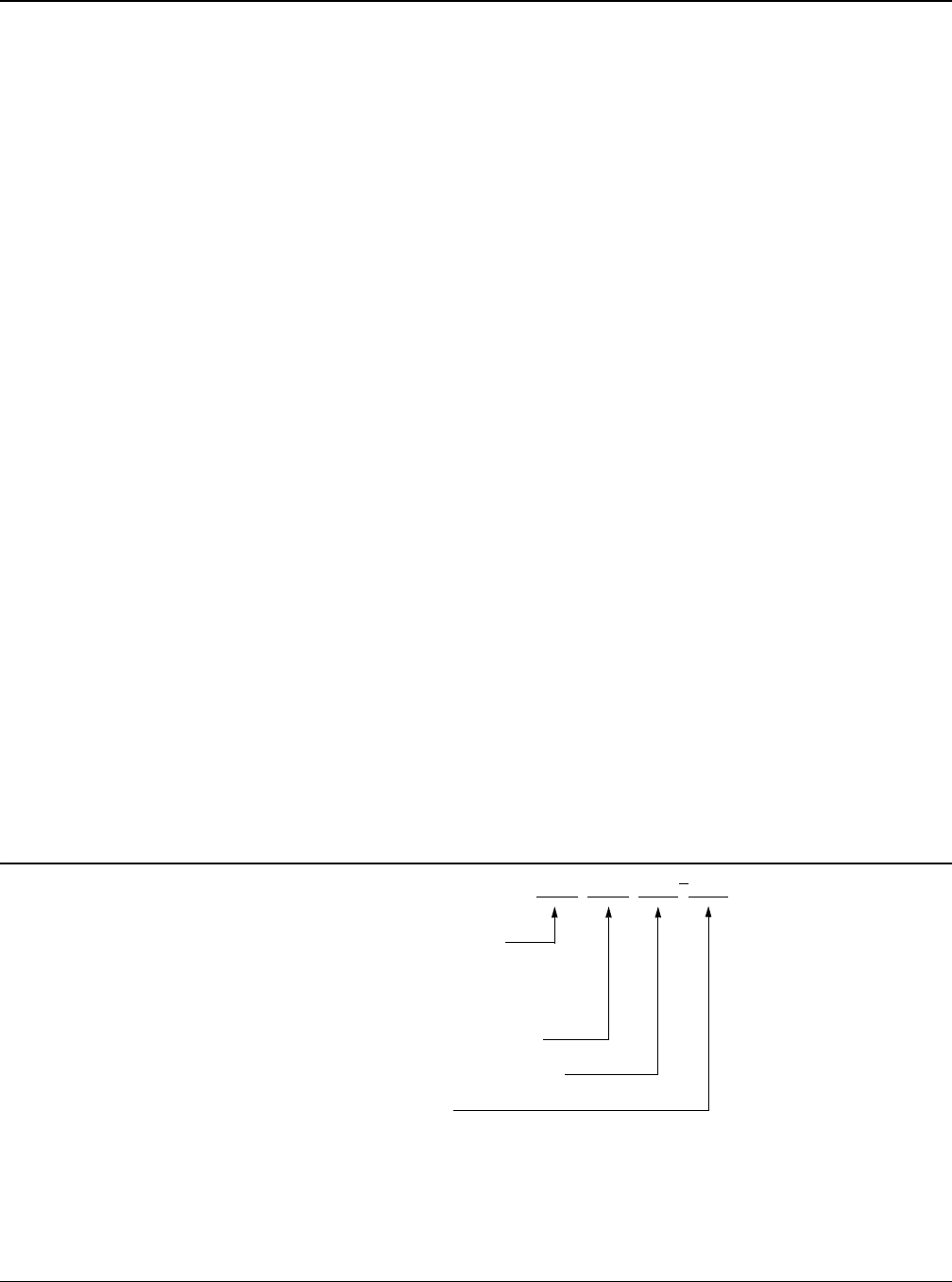
ORDERING GUIDE
TYPE OF HOOD SASH CONFIGURATION
VSS1 - For vertical sash hoods
HSS1 - For horizontal sash hoods
CSS1 - For combination horizontal/vertical sash hoods
SSS1 - For special sash hoods
TOTAL NO. OF VERTICALLY-MOVING SASHES
TOTAL NO. OF HORIZONTALLY-MOVING SASHES
SENSOR/MAGNET BAR LENGTH
(in whole inches; round down) Blank for vertical sash hoods
Mike,
I inserted this as a
placeholder...wasn’t
sure how much you’d
need of this for the
wireless version. I cop-
ied this from our gen-
eral sash sensor
product data sheet.

©2003 Phoenix Controls Corporation. Specifications subject to change without notice. Rev. 5/03 WIRELESS SASH SENSOR—3 OF 7
MOUNTING AND INSTALLATION
Mounting and Orientation
Transmitter
The wireless transmitter shall be field mounted near the current sensor bar with a distance of no more than two inches
from the actual senor bar. The transmitter shall have double sticky-back tape on one side for easy mounting.
Receiver
The receiver shall be field mounted somewhere above the hood or in a sensible location. The receiver mounting location
shall not exceed a total distance of 20 feet from the farthest wireless transmitter.
Installation
Transmitter
The wireless transmitter will be field mounted either underneath or above the current sash sensor bar. The sensor bar
(two-conductor wire) will be field wired directly into the transmitter and the transmitter may not be more than two
inches away from the sensor bar. The transmitter will also have a double sticky-back tape so that the unit may be affixed
to the hood sash.
Receiver
The receiver will be field installed either above the hood or next to the fume hood monitor. In most cases, the receiver
will be field mounted above the hood and no more than 20 feet away from the farthest transmitter.
NOTE: Need to add drawings to this section.
FIELD ADJUSTMENTS (CAILBRATION, CONFIGURATION, ETC.)
The wireless transmitter is uniquely identified, so that the relationship between a transmitter and a receiver is one-to-
one. The Phoenix factory address each wireless transmitter so that it communicates to specific receiver.
The receiver is uniquely identified so the relationship between a receiver and a transmitter is one-to-many. Each receiver
will be addressed via the front-end commissioning software.

4 OF 7—WIRELESS SASH SENSOR ©2003 Phoenix Controls Corporation. Specifications subject to change without notice. Rev. 5/03
POINTS & WIRING
The sensor bar is field wired directly to the transmitter. The transmitter is battery powered, so there is no need for addi-
tional wiring.
The receiver is field wired directly into the fume hood monitor. The receiver box has, at a minimum, two sets of 22
AWG 2-conductor wires connected to it, a 2-conductor wire for power and a 2-conductor wire for vertical sash signal.
NOTE: Need to add drawings to this section.
MAINTENANCE
For the most part, the WSS receiver and the transmitter are be maintenance free and do not require any services.
The wireless transmitter has a field replaceable battery that requires replacement once a year, depending on fume hood usage. Nor-
mal usage is four sash movements an hour, 7 hours a day, 6 days a week.
FCC COMPLIANCE FOR WIRELESS DEVICES
The FCC with its action in ET Docket 96-8 has adopted a safety standard for human exposure to radio frequency (RF) electromagnetic energy emitted by FCC certified
equipment. When used with approved Phoenix Wireless Sash Sensors (WSSs), Phoenix WSS products meet the uncontrolled environmental limits found in OET-65
and ANSI C95.1, 1991. Proper installation of this radio according to the instructions found on this product data sheet and in the user’s guide will result in user exposure
that is substantially below the FCC recommended limits.
• Do not touch or move antenna(s) while the unit is transmitting or receiving.
• Do not hold any component containing a radio such that the antenna is very close to or touching any exposed parts of the body, especially the face and eyes, while
transmitting.
• Do not operate the radio or attempt to transmit data unless the antenna is connected; otherwise, the radio may be damaged.
• Antenna use:
• High-grain, wall-mount, or mast-mount antennas are designed to be professionally installed. Phoenix Controls recommends that you contact your professional
installer, VAR, or antenna manufacturer to obtain proper installation requirements.
WARNINGS:
• Changes or modifications to this unit not expressly approved by the party responsible for compliance (Phoenix Controls) could void the user’s authority to operate
the equipment.
• Do not operate wireless network devices near unshielded blasting caps or in an explosive environment unless the devices have been modified to be especially qual-
ified for such use.
• In order to comply with RF exposure limits established in the ANSI C95.1 standards, it is recommended that the wireless device’s antenna is positioned more than 2
inches from your body or nearby persons during extended periods of transmitting or operating time. If the antenna is positioned less than 2 inches from the user, it is
recommended that the user limit exposure time.
• In order to comply with FCC RF exposure limits, dipole antennas should be located at a minimum of 7.9 inches or more from the body of all persons.
COMPLIANCE INFORMATION
Compliance information for the Phoenix Controls Wireless Sash Sensor system is provided in the product’s installation and configuration guide.