Physik Instrumente PI WP Pi1124 Piezo Linear Drives For Laser Technology
PI_WP_pi1124_Piezo_Linear_Drives_for_Laser_Technology Whitepapers & Success Stories
User Manual: Physik Instrumente Whitepapers & Success Stories
Open the PDF directly: View PDF  .
.
Page Count: 5
WHITEPAPER – Piezo Linear Drives for Laser Technology
Steffen Arnold
Page 1 of 5
Physik Instrumente (PI) GmbH & Co. KG_Auf der Roemerstrasse 1_76228 Karlsruhe, Germany
Tel. +49 721 4846-0, Fax +49 721 4846-1019 Email info@pi.ws, www.pi.ws
Piezo Linear Drives for Laser Technology
Automatic Mirror Positioning in Vacuum and in Inaccessible Places
WHITEPAPER – Piezo Linear Drives for Laser Technology
Steffen Arnold
Page 2 of 5
Physik Instrumente (PI) GmbH & Co. KG_Auf der Roemerstrasse 1_76228 Karlsruhe, Germany
Tel. +49 721 4846-0, Fax +49 721 4846-1019 Email info@pi.ws, www.pi.ws
Lasers are versatile tools with a wide range of
applications. For example, in material processing they
are nowadays as indispensable as they are in medical
technology or in material and environmental research.
Everywhere the principle is the same: Tip/tilt mirrors
ensure correct guidance of the laser beam.
This makes them important components, which,
however, have to be positioned accurately, in order to
achieve the desired result. Here manual setting is mostly
still the state of the art. But manual adjustment is not
always possible, for example, when tilt/tip mirrors are
used in a vacuum or are mounted in inaccessible places
where they have to be preset before start-up or
readjusted. This is where piezo-based linear drives can
provide a solution: These space-saving and low-cost
microdrives work with a positioning accuracy down to the
nanometer range and – when installed in a mirror mount
– replace the manually actuated micrometer screws.
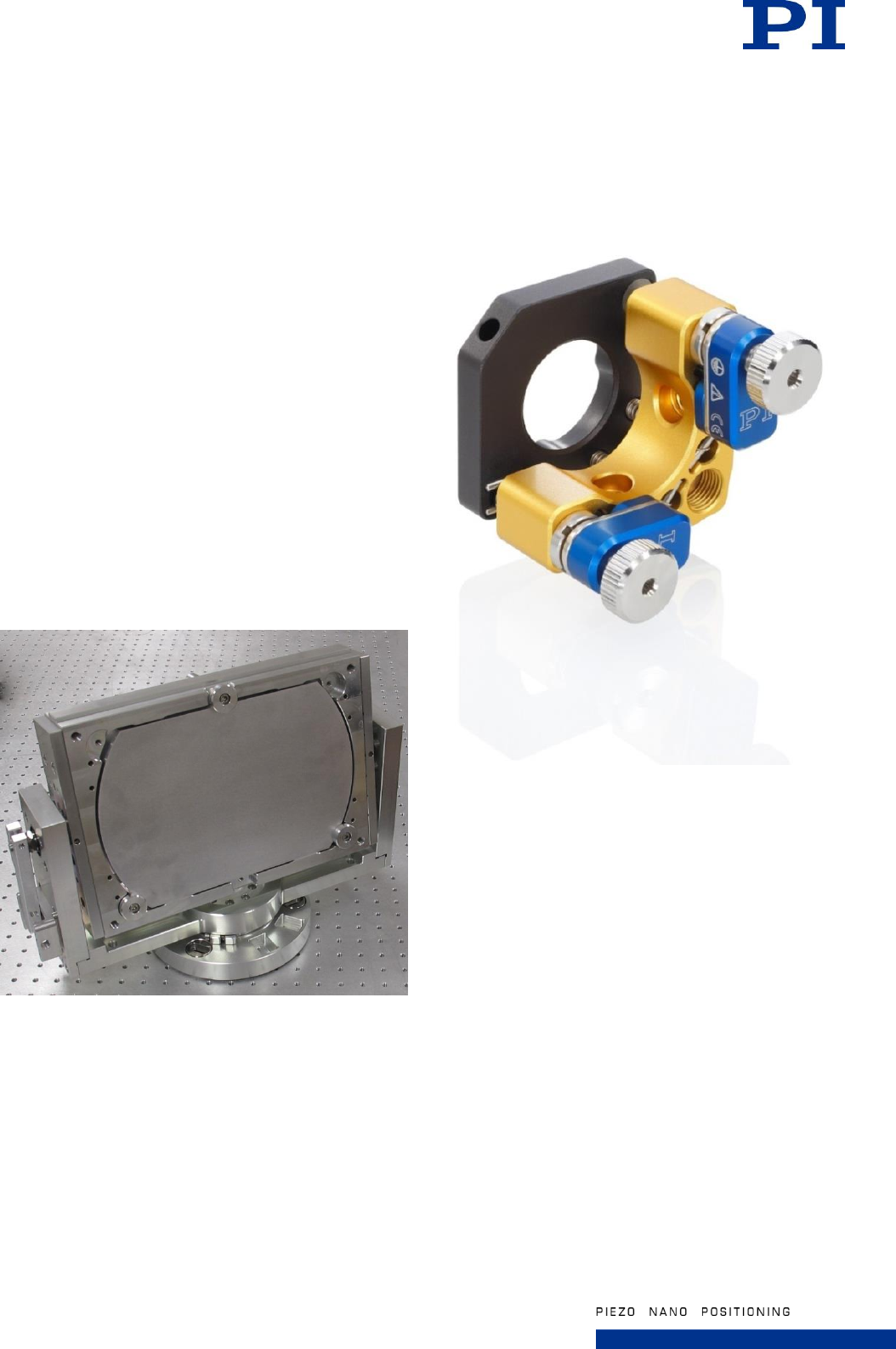
Fig. 1 Customized mirror mount for large optics.
These mechanical systems can also be automated with
PiezoMike drives (Image: Liop-Tec)
The Liop-Tec GmbH has shown by way of a good
example how the positioning of tip/tilt mirrors,
indispensable for laser technology, can be automated
optimally adapted to the application.
Fig. 2 The mirror mounts are now also being offered
with piezo drives instead of micrometer screws (Image:
Liop-Tec)
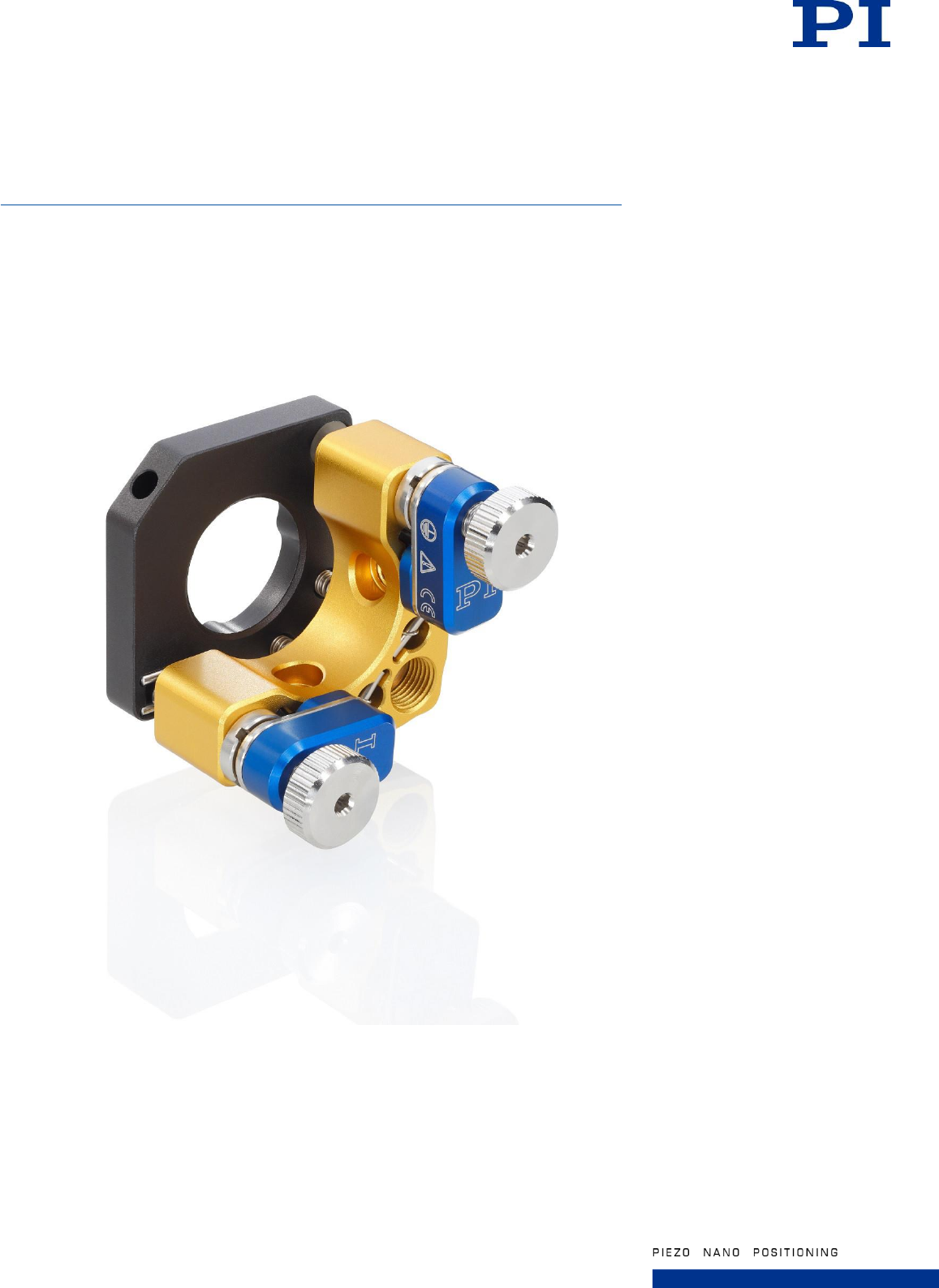
The company offers standard and customized mirror
mounts (Fig. 1), which can now optionally also be
equipped with piezo drives instead of manual micrometer
screws (Fig. 2).
"In collaboration with Physik Instrumente (PI), we have
developed piezo-based linear actuators to series-
production level and, in doing so, adjusted the screw and
nut to the requirements of the drive principle.
WHITEPAPER – Piezo Linear Drives for Laser Technology
Steffen Arnold
Page 3 of 5
Physik Instrumente (PI) GmbH & Co. KG_Auf der Roemerstrasse 1_76228 Karlsruhe, Germany
Tel. +49 721 4846-0, Fax +49 721 4846-1019 Email info@pi.ws, www.pi.ws
The PiezoMike drives from PI have been integrated
successfully into the mirror mount concept of our Star
series," explains Patrick Incorvaia, Sales Manager at
Liop-Tec (Fig. 3).
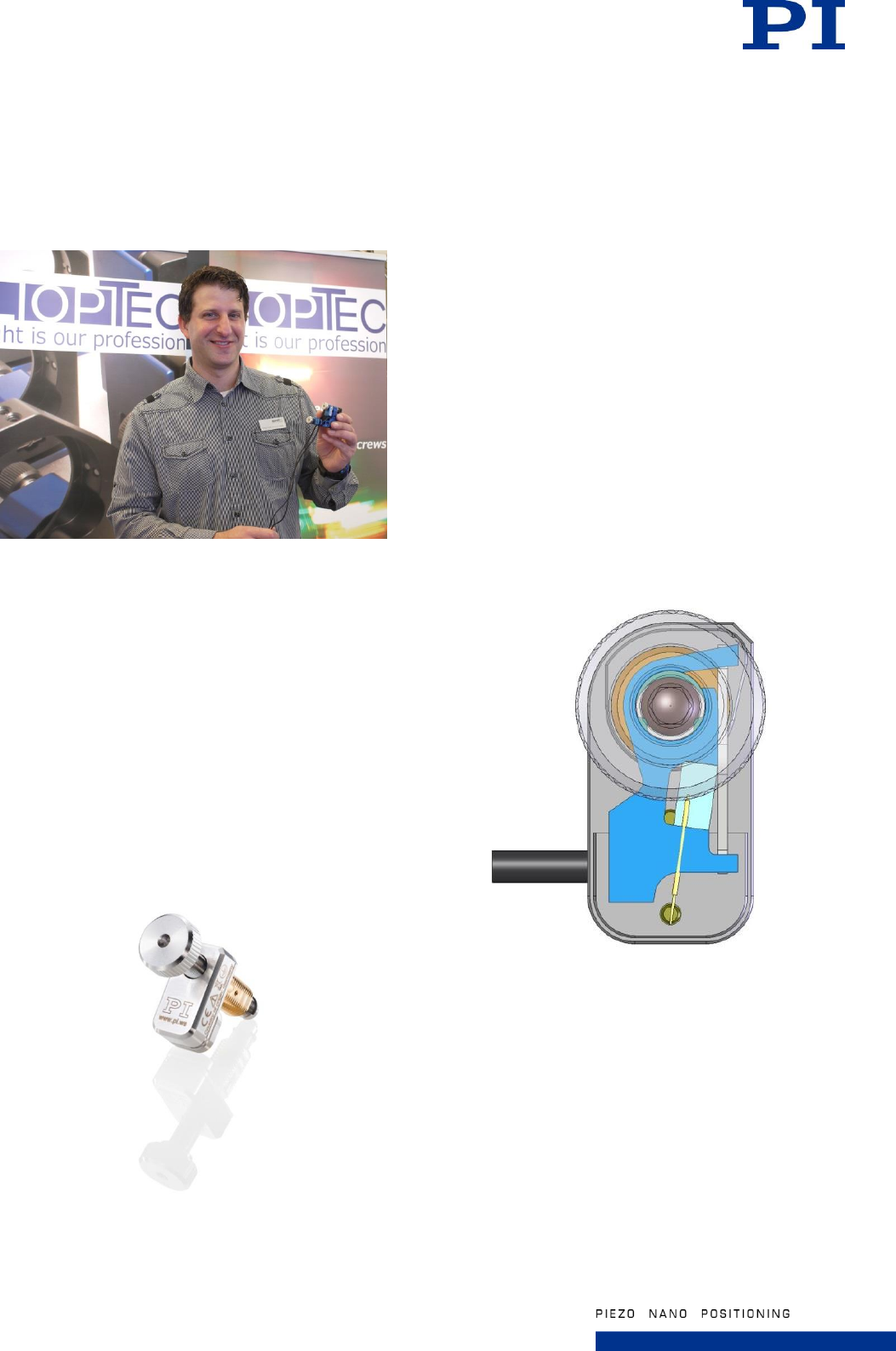
Fig. 3 Patrick Incorvaia, Sales Manager at Liop-Tec
(Image: Liop-Tec)
The piezomotors based on the inertia principle are
operated at a frequency of up to 2 kHz. The PiezoMike
linear actuator achieves forces of up to several 10 N, can
be easily integrated into a wide range of applications and
are also suitable for vacuum applications (Fig. 4) "We
are particularly proud of being able to offer mirror mounts
for high- and ultra-vacuum that are adjustable from
outside with extremely high precision," continues Patrick
Incorvaia. "The outstanding collaboration with PI has
brought us a good step forward." The manual positioning
screw is simply exchanged for a PiezoMike.
Fig. 4 PiezoMike linear actuator: Minimum
dimensions, high force and stable positioning under
vacuum conditions (Image: PI)
Operating Principle and Adjustment
Piezo-based inertia drives utilize the stick-slip effect for
fine steps with step sizes of just a few micrometers. In
the first part of the motion cycle, the actuator expands
slowly taking along the moving rod (stick effect).
In the second part of the motion cycle, the actuator
contracts so rapidly that it slides along the moved rod,
which cannot follow this rapid motion due to its inertia,
and thus remains in the same position (slip effect). The
electric control is easy; its output signal is similar to a
saw-tooth voltage. The drives are small, which makes
them suitable for many application areas.
Typical fields of application for this drive principle can be
found not only in laser technology, but also range from
solder tip positioning to shutter and membrane
adjustments in micromanipulation.
Fig. 5 Piezo-based inertia drives utilize the stick-slip
effect for fine steps with step sizes of just a few
micrometers (Image: PI)
The operating principle of the inertia drive has been
adapted to the requirements of the application by the
development partners PI and Liop-Tec (Fig. 5):
In this case, the stick effect does not take along a
moving rod but causes a screw to rotate.
The claw, which grasps around the screw, opens with
the expansion of the actuator and causes the screw to
slightly turn.
WHITEPAPER – Piezo Linear Drives for Laser Technology
Steffen Arnold
Page 4 of 5
Physik Instrumente (PI) GmbH & Co. KG_Auf der Roemerstrasse 1_76228 Karlsruhe, Germany
Tel. +49 721 4846-0, Fax +49 721 4846-1019 Email info@pi.ws, www.pi.ws
Once the maximum expansion of the actuator has been
reached, the actuator contracts quickly and the claw
moves back to its initial position, but does not take along
the screw, which due to its inertial mass, remains in its
position (slip effect). This step cycle is repeated, causing
the screw to continue its rotation until the desired
position is reached. The motion sequence works, of
course, also in the opposite direction. "Nevertheless, it
has been a lengthy process to find out the optimum
material parameters for the slip effect, which required a
lot of know-how in the manufacture of the screw and nut.
The implementation also required very stringent
tolerance and surface quality requirements for the
mechanical components," says Patrick Incorvaia.
Thanks to their compact dimensions, the inertia drives
can be integrated in a space-saving manner.In addition,
these drives also have other advantages.
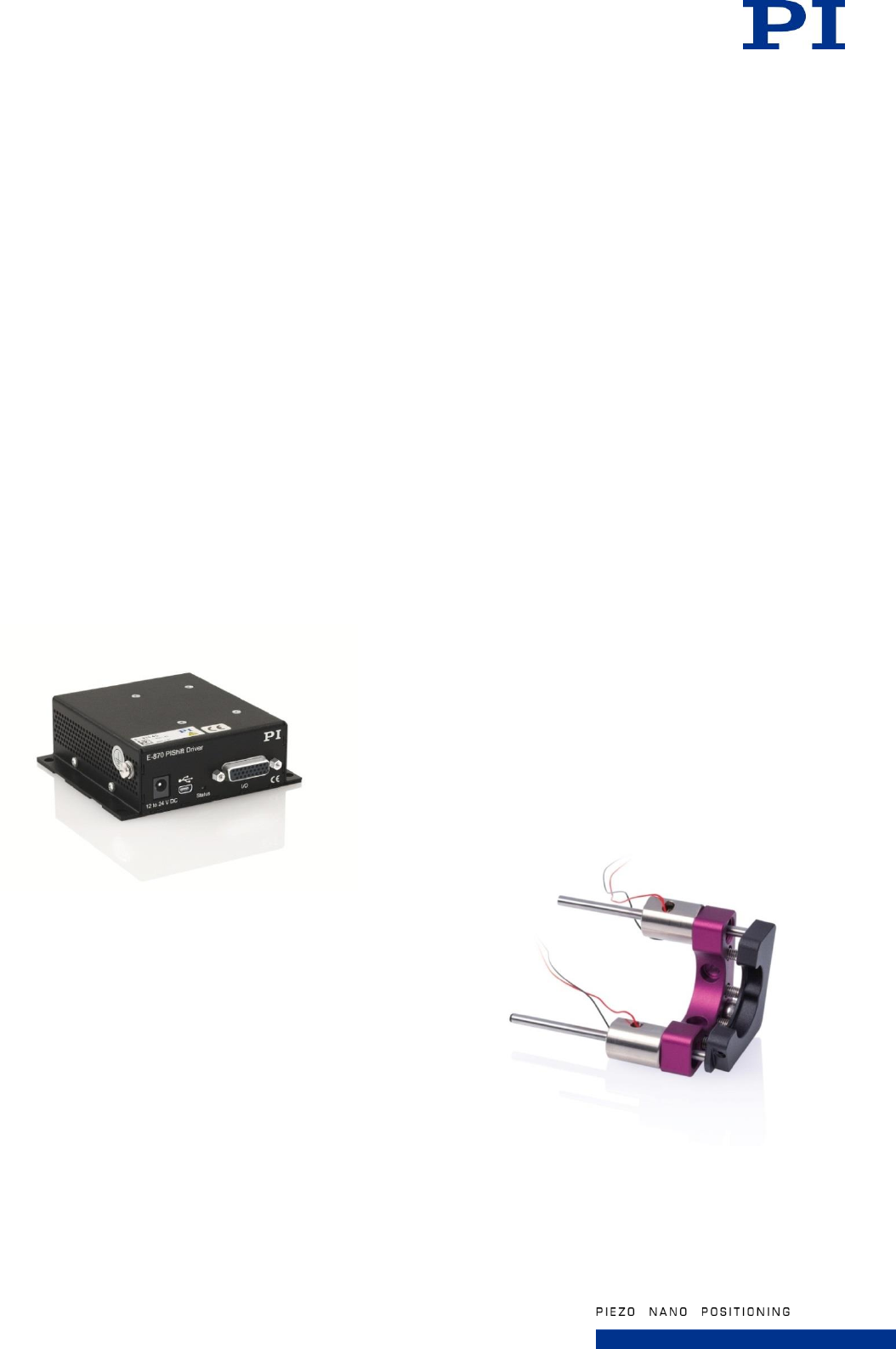
Fig. 6 The E-870 driver (Figure 6), specifically tuned
to the requirements of linear actuators, controls the
actuator. One driver can serially control a unit with up to
four channels, keeping investment costs low (Image: PI)
The piezo solution is not only much smaller than any
motor-driven micrometer screw available on the market,
but the PiezoMike linear actuator also works with a very
high resolution. Step widths of approx. 20 mm can hardly
be achieved using traditional stepper motor drives.
In doing so, the piezo-based linear drive develops a feed
force of 22 N, works at a maximum speed of 3 mm/min
and is designed for travel ranges from 7.5 mm to 26 mm.
Furthermore, their life expectancy of more than one
billion steps is quite impressive. Converted, this would
correspond to a working range of 20 m or to 100 hours of
continuous operation. This is more than sufficient given
the small travel ranges of a few micrometers, the short
control times and the comparably rare motions.
Control and Fine Adjustment
The E-870 driver (Fig. 6), specifically tuned to the
requirements of linear actuators, controls the
actuatorOne driver can serially control a unit with up to
four channels, keeping investment costs low. For fine
adjustment, the piezo linear motors inserted into the
mirror mounts can also be operated in analog mode:
Here, the "stick phase" is more or less stopped in the
last positioning phase and the piezo actuator is operated
within the rising edge of the piezo actuator voltage and
not in full-step mode. In this way, a positioning resolution
of 5 nm can be achieved. The driver behaves then like a
piezo voltage amplifier.
The development of high-precision PiezoMike drives will
be pursued. Patrick Incorvaia is already looking forward
to the continued collaboration with PI: "High-speed,
noiseless direct drives (Fig. 7) and position-regulated
variants currently in preparation should make our mirror
mounts even more flexible in the future."
Fig. 7 Rod drive with piezoelectric stick-slip drive. The
drive principle can be modified, depending on the
application (Image: PI)
WHITEPAPER – Piezo Linear Drives for Laser Technology
Steffen Arnold
Page 5 of 5
Physik Instrumente (PI) GmbH & Co. KG_Auf der Roemerstrasse 1_76228 Karlsruhe, Germany
Tel. +49 721 4846-0, Fax +49 721 4846-1019 Email info@pi.ws, www.pi.ws
Author
Steffen Arnold Head of "Marketing and Products" at
Physik Instrumente (PI) GmbH & Co. KG
About Liop-Tec
The LIOP-TEC GmbH with its headquarters in
Radevormwald near Cologne, Germany, was
established in 2012 by Dr. Jürgen Lindener-Roenneke
and Privatdozent Dr. Michael Gutmann. Both can build
on more than two decades of experience in laser
technology. It should not come as a surprise, then, that
the newly established company has an excellent
reputation in the area of innovative laser technology and
optomechanical components. Today the company's
focus is on custom laser applications, especially in the
area of molecular science, material and environmental
science, general science and medical technology.
About PI (Physik Instrumente)
In the past four decades, PI (Physik Instrumente) with
headquarters in Karlsruhe, Germany has become the
leading manufacturer of nanopositioning systems with
accuracies in the nanometer range.
With four company sites in Germany and ten sales and
service offices abroad, the privately managed company
operates globally. Over 700 highly qualified employees
around the world enable the PI Group to meet almost
any requirement in the field of innovative precision
positioning technology. All key technologies are
developed in-house. This allows the company to control
every step of the process, from design right down to
shipment: precision mechanics and electronics as well
as position sensors.
The required piezoceramic elements are manufactured
by our subsidiary PI Ceramic in Lederhose, Germany,
one of the global leaders for piezo actuator and sensor
products. PI miCos GmbH in Eschbach near Freiburg,
Germany, is a specialist for positioning systems for
ultrahigh vacuum applications as well as parallel-
kinematic positioning systems with six degrees of
freedom and custom-made designs.
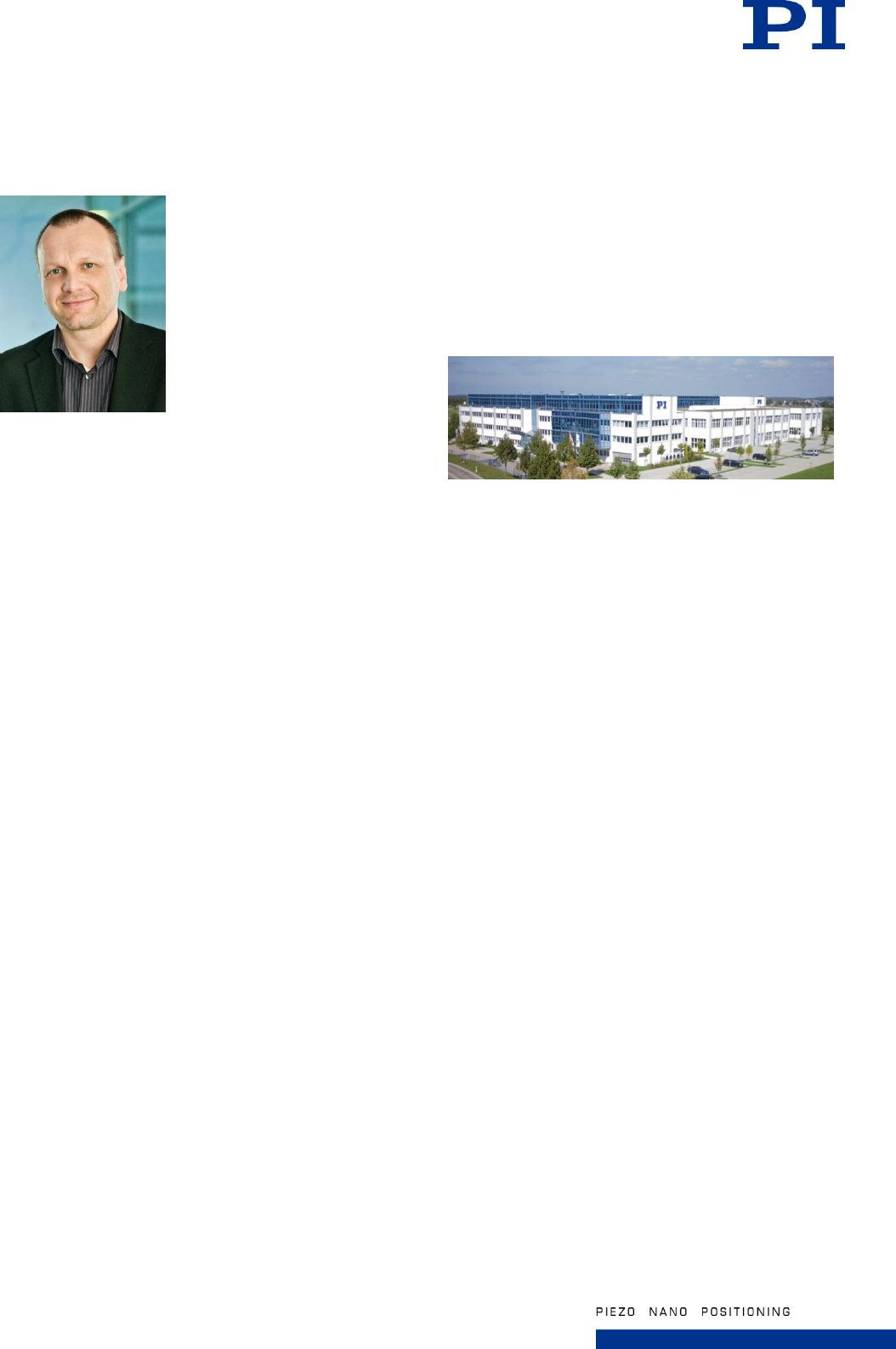
PI headquarters in Karlsruhe, Germany: More than 350
employees work on high-resolution drive systems and
positioning systems
