Rohde and Schwarz and Co KG RTH13175000 Digital Oscilloscope User Manual UserManual
Rohde & Schwarz GmbH & Co KG Digital Oscilloscope UserManual
UserManual.pdf
13.10.2015
Rohde & Schwarz GmbH & Co. KG
Muehldorfstr. 15, 81671 Munich
RTH WLAN Module
RTH WLAN Module is based on the TI WL1837MODCOM8I Wi-Fi® dual-band module.
This module offers high throughput and extended range for power-sensitive designs.
The module is used in a measurement device with a Linux-based operating system.
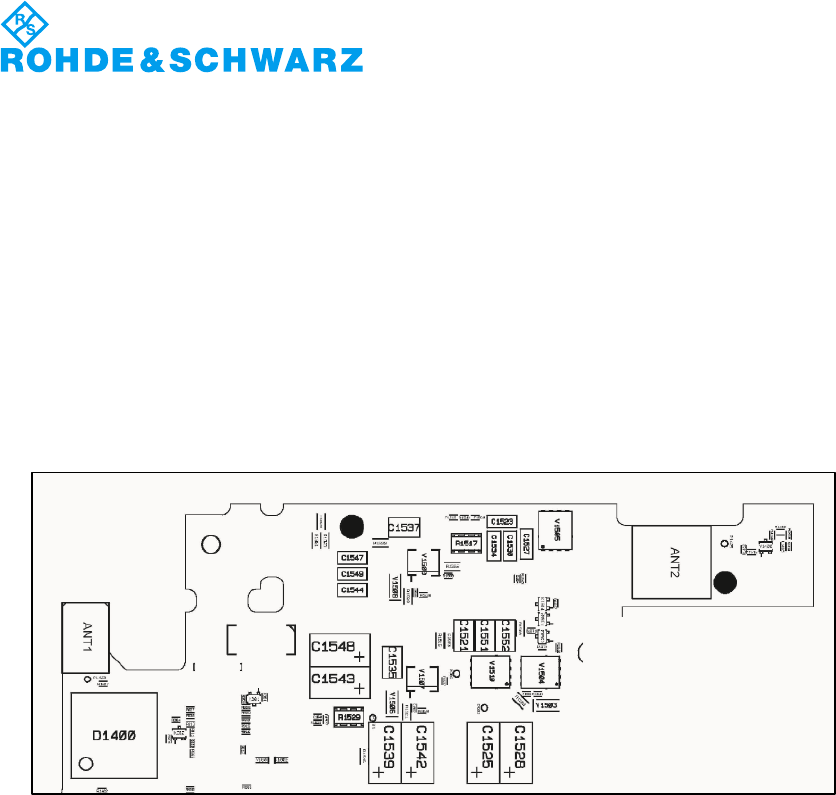
Figure 1 RTH WLAN Module with chip antennas
1 Key Features and Key Specifications
Small form factor WLAN module for measurement device
WLAN 2.4 GHz (20- and 40 MHz channels)
2.4 GHz MIMO (20-MHz channels)
SDIO interface (25 MHz clock rate)
3.3 V and 1.8 V supply voltages
Direct connection to ARM-based processor platform
Multilayer Chip Antenna ANT016008LCD2442MA1
U.FL RF connectors for debugging
2 Regulatory Information
2.1 Regulatory Information
Part 15 of the FCC and RSS-210 of IC Rules
This device complies with Part 15 of the FCC Rules and with Industry Canada
licence-exempt RSS standard(s). Operation is subject to the following two
conditions:
● this device may not cause harmful interference, and
● this device must accept any interference received, including interference that
may cause undesired operation.
Le présent appareil est conforme aux CNR d'Industrie Canada applicables aux
appareils radio exempts de licence. L'exploitation est autorisée aux deux
conditions
suivantes:
● l'appareil ne doit pas produire de brouillage, et
● l'utilisateur de l'appareil doit accepter tout brouillage radioélectrique subi,
même si le brouillage est susceptible d'en compromettre le fonctionnement.
Changes or modifications made to this equipment not expressly approved by
Rohde & Schwarz may void the FCC authorization to operate this equipment.
This equipment has been tested and found to comply with the limits for a Class A
digital device, pursuant to Part 15 of the FCC Rules. These limits are designed to
provide reasonable protection against harmful interference when the equipment is
operated in a commercial environment. This equipment generates, uses, and can
radiate radio frequency energy and, if not installed and used in accordance with
the instruction manual, may cause harmful interference to radio communications.
Operation of this equipment in a residential area is likely to cause harmful
interference
in which case the user will be required to correct the interference at his own
expense.