Technical Note
2017-07-21
: Sealite Technical-Note Technical-Note files newweb
Open the PDF directly: View PDF  .
.
Page Count: 4
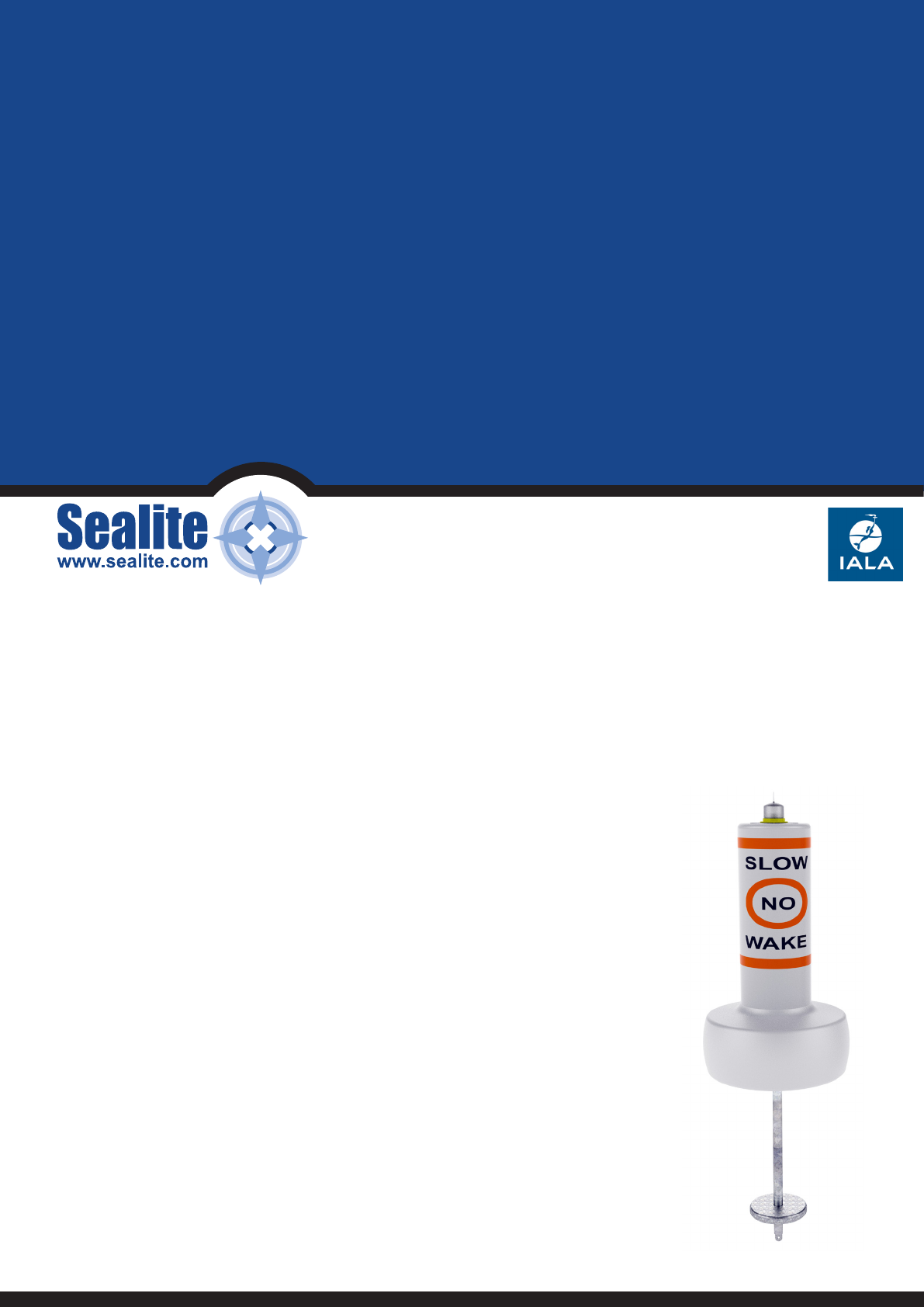
Technical Note 1:
Advantages of Polyethylene over ABS Plastic
SL-Spar Buoy Series_V1.0 SL-B1428
w: www.sealite.com e: info@sealite.com
2
Technical Note 1:
SL-LED Series_V2.0
The Sealite Advantage
Buoy
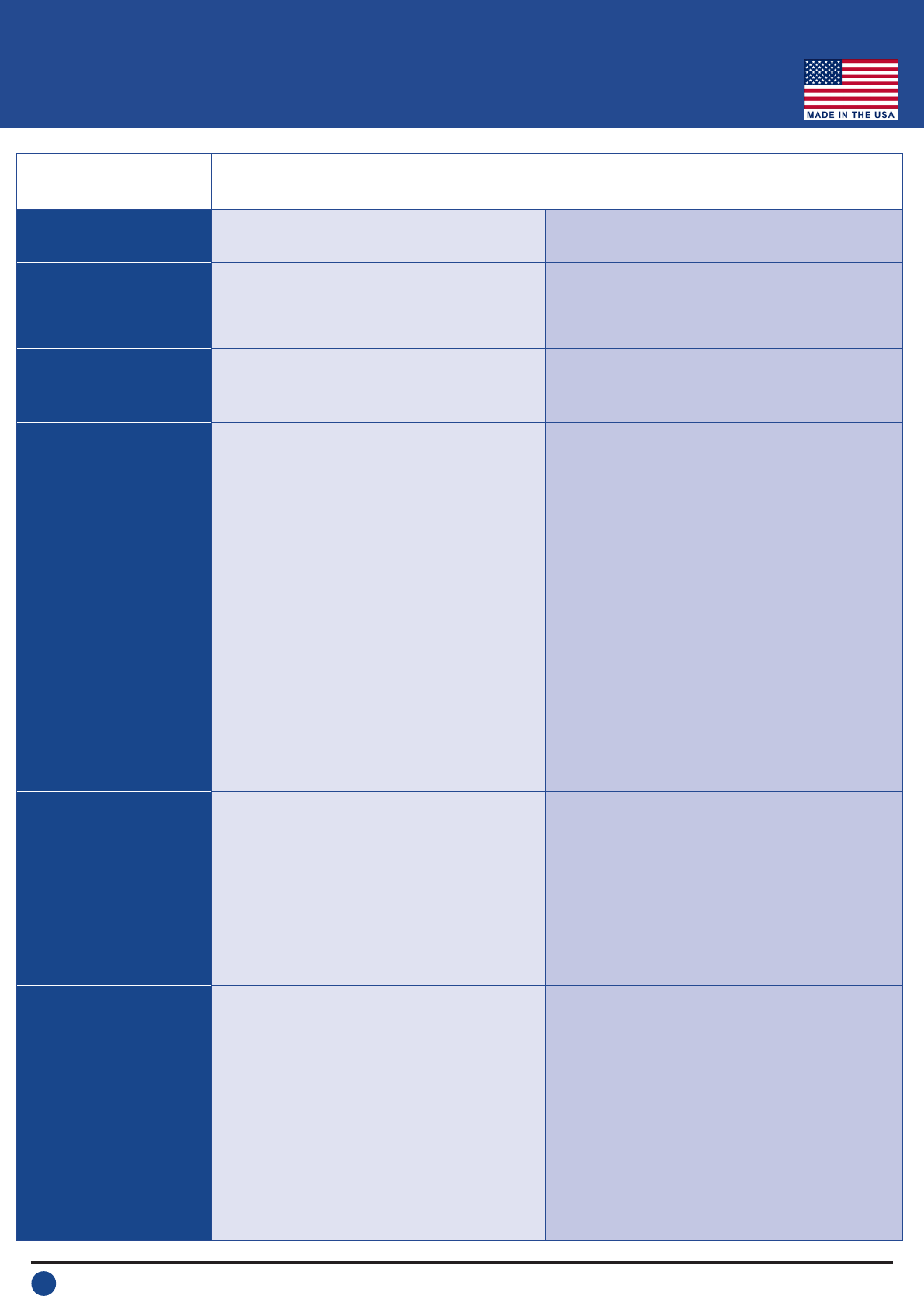
Manufacturing: Advantages of Polyethylene over ABS Plastic
Polyethylene from Sealite ABS (Acrylonitrile Butadiene Styrene) from
Other Manufacturers
Process Rotationally molded polyethylene is
poured into a mold then spun on a
rotational molding machine for
uniform thickness.
Sheets of plastic are vacuum formed or
heated to form the desired buoy shape.
Construction No seams anywhere; all Sealite
products are molded as single pieces
for uniform strength.
Seams are evident where the sheets of
plastic are joined together, creating
potential weak spots when joined.
Materials No toxic chemicals or heavy metals
are ever used in the manufacture
of any of Sealite's rotationally made
products. Sealite is an environmentally
conscious company; you can return
your buoys to Sealite for recycling
once they've reached the end of their
service life!
ABS may require the use of toxic
(to humans) chemicals to increase the
impact strength and to maintain the
ability to form into shape.
Moisture and water particles run off
the surface of polyethylene.
As a hydroscopic material, moisture and
water particles can be absorbed into the
ABS.
Chemical
Resistance
Polyethylene is exceptional in its
chemical resistance to fuels, oils, and
other human by-products which are
disposed in the water. That's why
Sealite buoys provide a long service
life.
ABS is able to achieve its chemical
resistancy…after it has the toxic
Butadiene added to it.
Moisture Resistance Polyethylene is classed as polyolen
material which exhibits an extremely
high level of moisture resistance.
ABS is moisture resistant…when you add
toxic ingredients to it. As a hygroscopic
material, moisture and water particles will
absorb into the material.
Non-Marine Uses Surgical implants and surgical tubing,
etc.
Automotive trim, (small) appliances
like toast-r-ovens and coffee makers,
and other applications and products
that require heat resistance and ame
retardancy.
UV-Stabilization &
Color Stability
Only Sealite adds a UV stabilizing
compound to both the polyethylene
and coloring agents, providing
additional protection from the
degrading effects of UV exposure.
UV stabilizer added (often times upon
request only) to ABS. ABS materials with
high levels of butadiene can be difcult
to compound colors into.
Filling Closed cell polyurethane foam means
any potential water ingress will not
permeate the foams' closed cells,
allowing for a longer, more buoyant
product should the buoy sustain
damage.
Regular foam lling can become
saturated if a buoy is punctured, allowing
water to penetrate and saturate each
cell, adding weight and adding to the
risk of submergance.
w: www.sealite.com e: info@sealite.com w: www.sealite.com e: info@sealite.com
Technical Note 1:
SL-LED Series_V2.0
3
ABS (Acrylonitrile Butadiene Styrene)
from Other Manufacturers
Polyethylene from Sealite
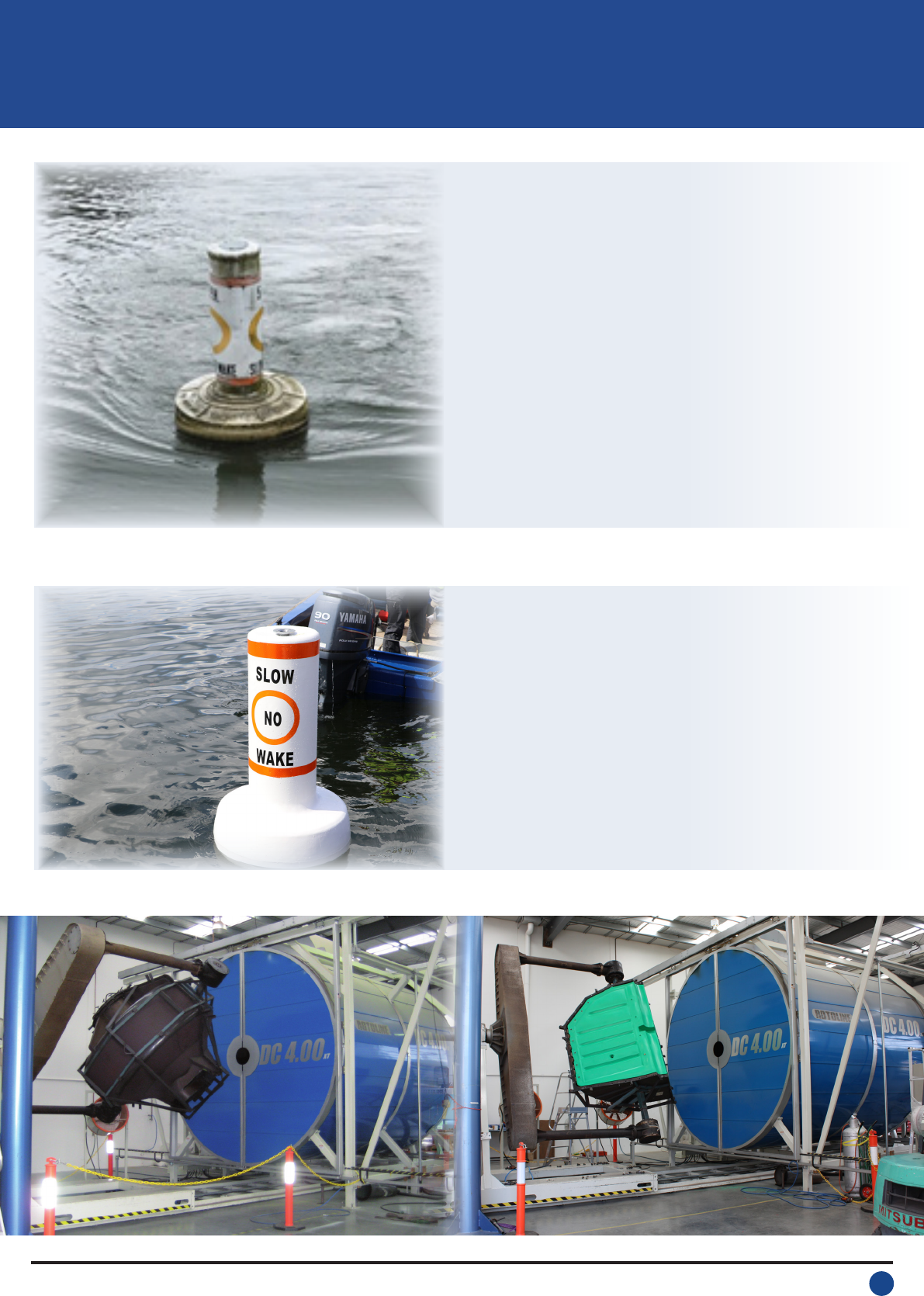
Rotational molding - Sealite Factory
It's easy to tell when the buoy you're passing is NOT from Sealite!
Other Manufacturer
Sealite Product
© 2017 Sealite Pty Ltd
Sealite Pty Ltd
11 Industrial Drive,
Somerville Vic 3912
AUSTRALIA
t: +61(0)3 5977 6128
f: +61(0)3 5977 6124
Sealite Asia Pte Ltd
8 Wilkie Road
#03-01, Wilkie Edge
SINGAPORE 22809
t: +65 (0) 6829 2243
f: +65 (0) 6829 2253
Sealite United Kingdom Ltd
11 Pinbush Road
Lowestoft Suffolk NR33 7NL
UNITED KINGDOM
t: +44 (0) 1502 588026
f: +44 (0) 1502 588047
Sealite USA, LLC
61 Business Park Drive
Tilton New Hampshire 03276
USA
t: +1 (603) 737 1311
f: +1 (603) 737 1320
w: www.sealite.com
e: info@sealite.com
