Eaton HHB1POWR Wireless Sensor User Manual range extndr outC1
Eaton Corporation Wireless Sensor range extndr outC1
Eaton >
Manual
IM00416008E Rev. 2
Part No.: 67A5006H02
© 2006 Eaton Corporation
Range Extender Uses:
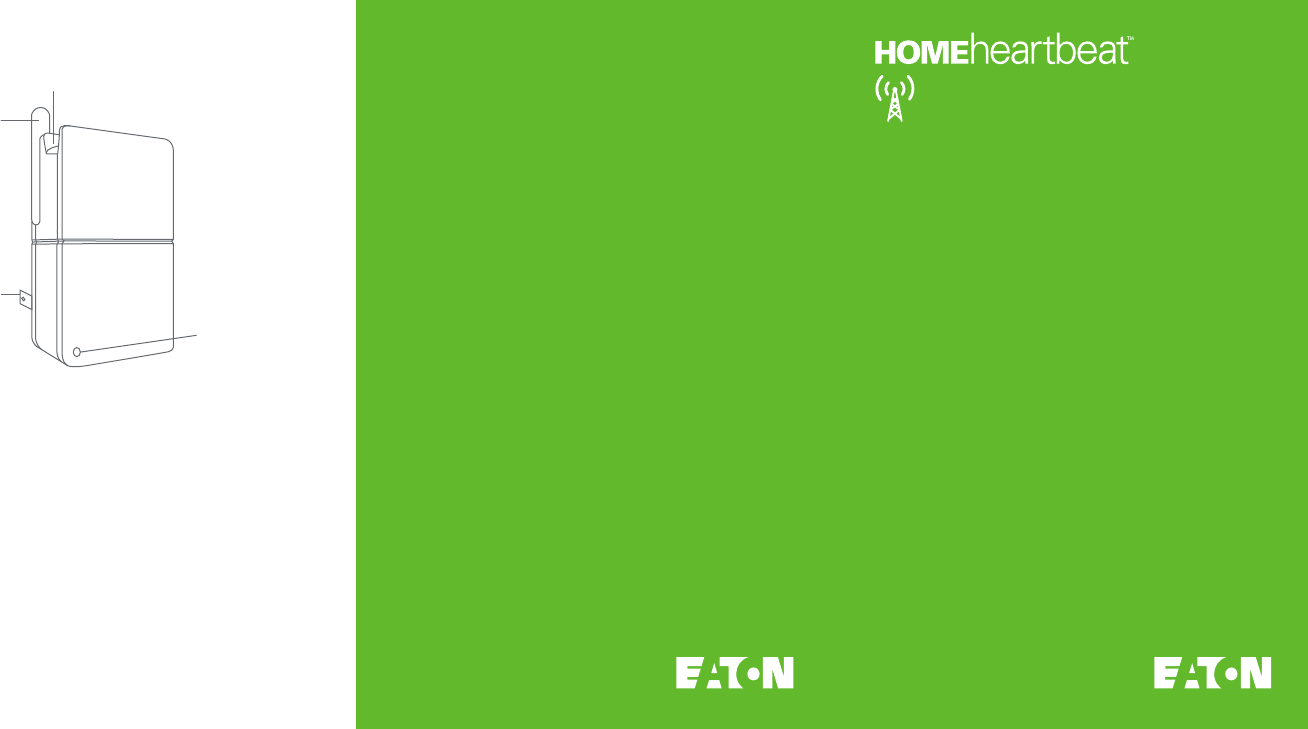
Range Extender Components
Range Extender
Home Key™ Slide Channel
Antenna
Plugs into
standard
grounded
outlet
(3-prong) Status LED
Expand the transmission zone to reach sensors
that are farther away from the Base Station.*
Perfect for:
• Large houses
• Houses with thick walls and floors
• Houses with obstructions
*Actual range may vary, depending on the location of
the Base Station and home construction.
FCC Statement
(Compliance Statement, Part 15.19): This device complies with Part 15 of the FCC
Rules. Operation is subject to the following two conditions: (1) this device may not
cause harmful interference, and (2) this device must accept any interference
received, including interference that may cause undesired operation.
WARNING (Part 15.21): Changes or modifications not expressly approved by the party
responsible for compliance could void the user’s authority to operate this equipment.
To comply with FCC’s RF exposure limits for general population/uncontrolled
exposure, the antenna(s) used for this transmitter must be installed to provide a
separation distance of at least 20 cm from all persons and must not be co-located
or operating in conjunction with any other antenna or transmitter.
Industry Canada Statement
The term “IC” before the certification/registration number only signifies that the
Industry Canada technical specifications were met.
Interference
This equipment has been tested and found to comply with the limits for a Class B
digital device, pursuant to Part 15 of the FCC rules. These limits are designed to
provide reasonable protection against harmful interference in a residential
installation. This equipment generates, uses, and can radiate radio frequency
energy and, if not installed and used in accordance with the instructions, may
cause harmful interference to radio communications. However, there is no guarantee
that interference will not occur in a particular installation. If this equipment does
cause harmful interference to radio or television reception, which can be
determined by turning the equipment off and on, then the user is encouraged to try
to correct the interference by one or more of the following measures:
• Reorient or relocate the receiving antenna
• Increase the separation between the equipment and the receiver
• Connect the equipment into a power source on different circuit than the receiver.
Sensor Maintenance
No serviceable parts. Clean with a soft, dry cloth.
Need help? Call 1-800-813-2199 for customer support or visit www.homeheartbeat.com
If Your Range Extender . . .
• will not respond, make sure the outlet it is plugged into actually has power.
• frequently goes to Off Mesh, move the Range Extender closer to the Base Station, or add an additional Home Heartbeat Range Extender.
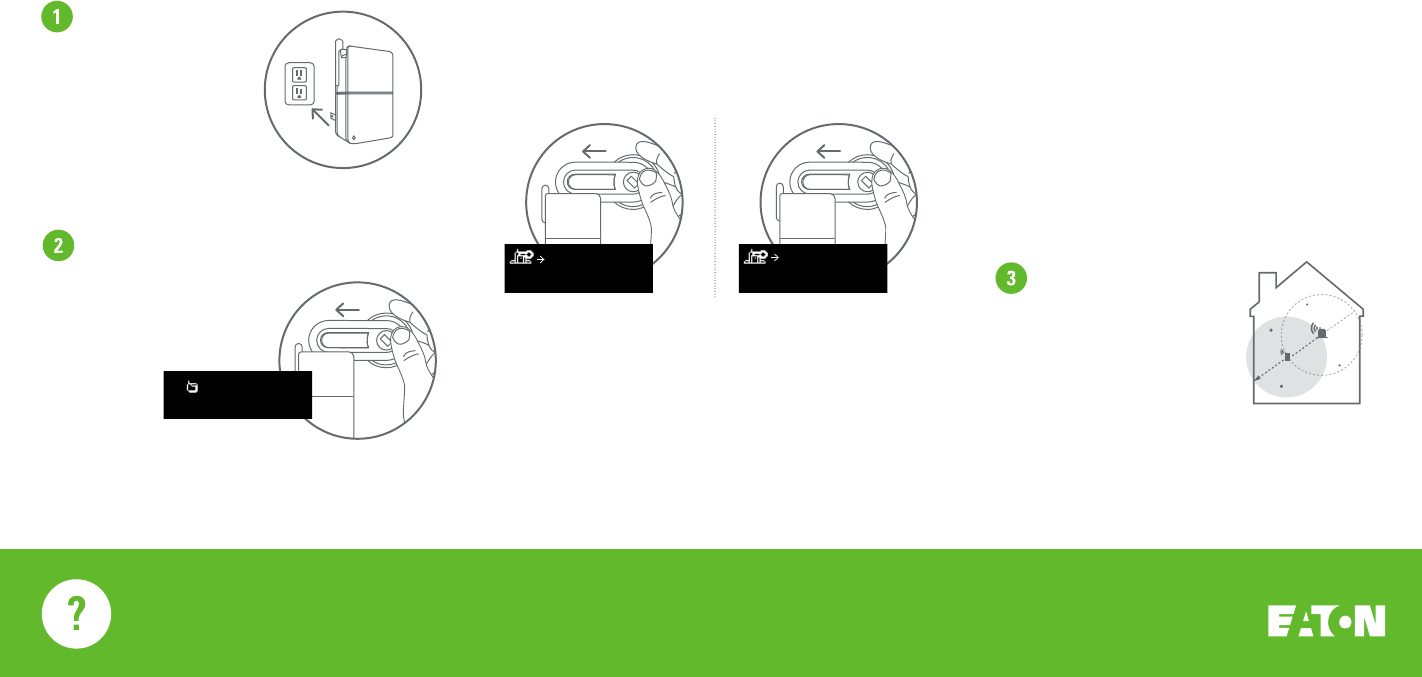
Plug in
CARRY the Range Extender and the
Home Key to the wall outlet where
you want to place it. Choose an
outlet that is not controlled with a
wall switch.
PLUG the Range Extender into the wall outlet.
The green light on the front will blink quickly
several times.
Range Extender
The Awareness settings let you choose to have Home Heartbeat alert
you if the Range Extender has lost its connection with the system
(Off Mesh), or has a poor, okay, or good connection.
Good Mesh is the strongest and indicates a high quality signal
between the Base Station and the Range Extender. Okay Mesh
and Poor Mesh indicate a connection of varying degree. Off
Mesh is indicated when the Range Extender has lost the connection
with the Base Station. If the Range Extender loses its Good Mesh
frequently, try an alternate location or extra Range Extender to help
maintain a good connection.
Sensor
Sensor
Range Extender
Sensor
Base Station
Sensor
Use
After the Range Extender is joined to the
system, the green light will be steady. If the
light blinks slowly, it means that the unit has
lost the connection to the Base Station and
its status will change to Off Mesh.
The Range Extender will try to re-establish a
connection with the Base Station, but if it is unable to, or if
the Range Extender frequently loses its connection, try an
alternate location and repeat Steps 1 and 2. When a device
is communicating through the Range Extender, the green light
on the front will blink rapidly.
Set up
After the light stops blinking, CLICK the
thumbwheel to wake the Home Key if it
is asleep, then SLIDE the Home Key
into the channel on the top of the sensor.
The Home Key screen should say:
Please wait…
Device found
OK to remove Key.
Follow the instructions on the Home Key screen to join the
Range Extender to your system, name it, and set In-Home
Awareness and "CallMe" Awareness .
Device found
OK to remove Key...
If you slide the Home Key into the sensor Slide Channel and the
Home Key screen shows either of the following messages, it means
that the Home Key or sensor may be outside the range of the
Base Station.
If the Home Key or sensor is out of range, you can:
• Add a Home Heartbeat Range Extender between the Base Station
and Range Extender, or
• select an alternate location for the Range Extender, or
• try moving the Base Station to a more central location in your home.
Then, complete Step 1 again.
Remove Key...
Please try again
Sensor out of range?
Remove Key...
Can't set up now
Key out of range
IM00416007E Rev. 2
Part No.: 67A5007H01
© 2005 Eaton Corporation
• Coffee Maker
• VCR
• Microwave
• Power Tools
• Outdoor Lighting
• Appliances
• Home Computer
• Curling Iron
• Toaster Oven
• Gaming System
• Stereo
• Sump Pump
Power Sensor Uses:
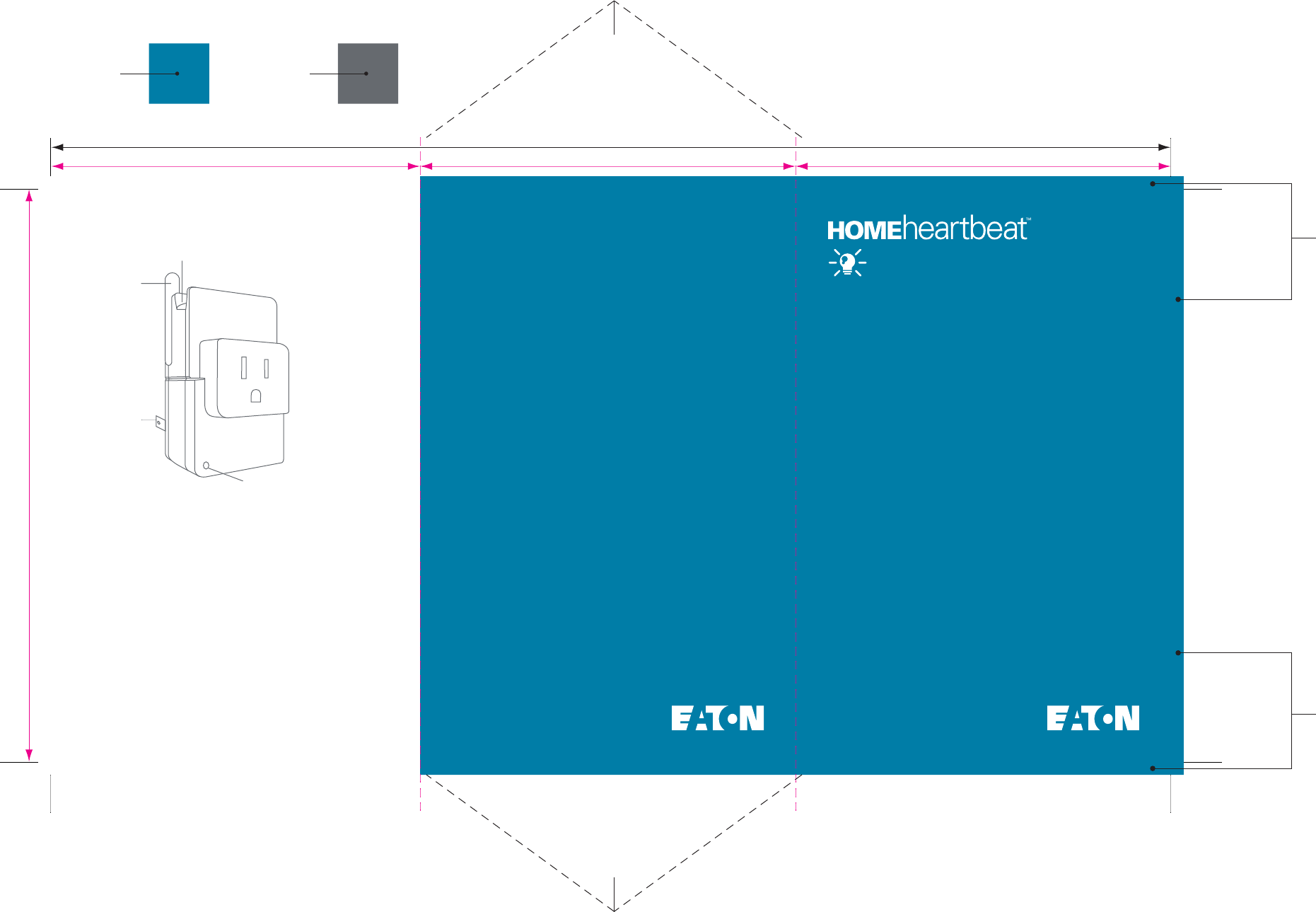
Power Sensor Components
PMS 314
MATCH CMYK
PMS 431
MATCH CMYK
Home Key™ Slide Channel
Antenna
Plug for
standard grounded
outlet (3-prong)
Power Sensor
Plugs into
standard
grounded
outlet
(3-prong)
Status LED
FCC Statement
(Compliance Statement, Part 15.19): This device complies with Part 15 of the
FCC Rules. Operation is subject to the following two conditions: (1) this device
may not cause harmful interference, and (2) this device must accept any
interference received, including interference that may cause undesired
operation.
WARNING (Part 15.21): Changes or modifications not expressly approved by
the party responsible for compliance could void the user’s authority to operate
this equipment.
To comply with FCC’s RF exposure limits for general population/uncontrolled
exposure, the antenna(s) used for this transmitter must be installed to provide
a separation distance of at least 20 cm from all persons and must not be
co-located or operating in conjunction with any other antenna or transmitter.
Industry Canada Statement
The term “IC” before the certification/registration number only signifies that
the Industry Canada technical specifications were met.
Interference
This equipment has been tested and found to comply with the limits for a Class B
digital device, pursuant to Part 15 of the FCC rules. These limits are designed to
provide reasonable protection against harmful interference in a residential
installation. This equipment generates, uses, and can radiate radio frequency
energy and, if not installed and used in accordance with the instructions, may
cause harmful interference to radio communications. However, there is no
guarantee that interference will not occur in a particular installation. If this
equipment does cause harmful interference to radio or television reception,
which can be determined by turning the equipment off and on, then the user is
encouraged to try to correct the interference by one or more of the following
measures:
• Reorient or relocate the receiving antenna
• Increase the separation between the equipment and the receiver
• Connect the equipment into a power source on different circuit than the receiver.
5.625”
FOLD
DOES NOT PRINT
DOES NOT PRINT
FOLD
11”
3.625” 3.6875”
BLEED = .125”
3.6875”
BLEED = .125”
Need help? Call 1-800-813-2199 for customer support or visit www.homeheartbeat.com
If Your Power Sensor . . .
• will not respond, make sure the outlet it is plugged into actually has power.
• does not send a signal to the Base Station, move the sensor and Base Station closer together (or consider getting a Range Extender).
Place
Power Sensor
Plug in and set up Test and use
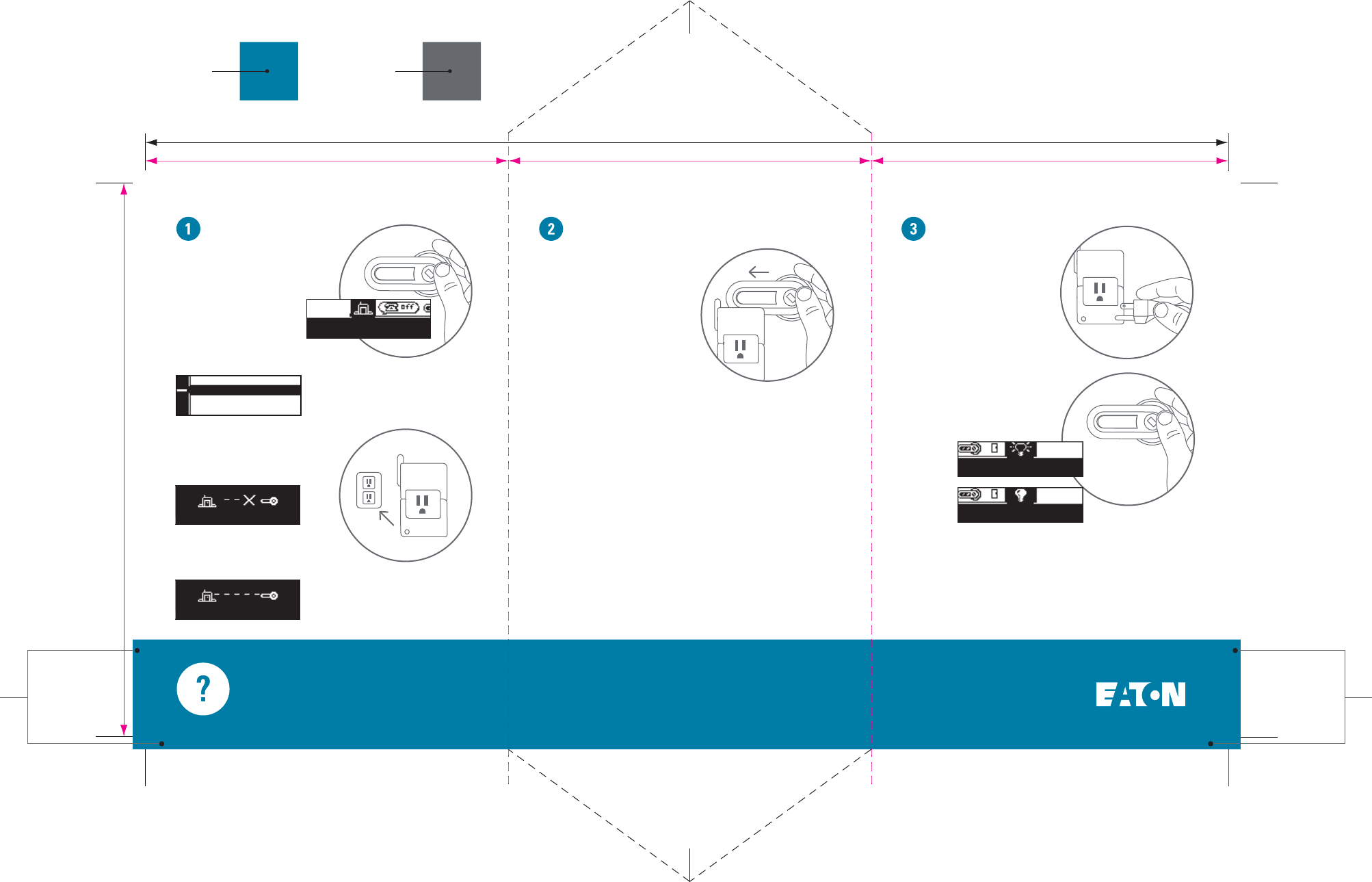
Plug the Power Sensor
into the wall outlet. CLICK
the Home Key thumbwheel
to wake the screen, then
SLIDE the Home Key into the
channel on the top of the sensor.
Follow the instructions on
the Home Key screen to join the
Power Sensor to your system,
name it, choose sensitivity
options, and set In-Home
Awareness and
"CallMe" Awareness.
The sensitivity options allow you
to adjust the system to correctly
identify when appliances are on or
off, because individual appliances
draw different amounts of power.
Plug an electrical device into
the sensor. The Status LED
will blink when the device is
drawing power.
Turn the device plugged into
the sensor on and off, checking
the Home Key screen for
feedback.
If you find that the Home Key does not show your appliance
shifting between on and off, you will need to change the
sensitivity setting. If the Home Key shows your device (such
as a VCR) as “on” even when you turn if off, try choosing a less
sensitive setting. If it shows the device as “off” when it is on,
try a more sensitive setting.
PMS 314
MATCH CMYK
PMS 431
MATCH CMYK
Television
Off for 5mins
Television
On for 5mins
Out of range
In range
Done, go back?
Check Range?
>
Home Status
Everything is OK
Take the Power Sensor and
the Home Key to the wall outlet
where you want to place it.
With the Home Key,
DOUBLE-CLICK at the
Home Status icon and
CLICK Check Range?
to go to the built-in Range Finder.
The Range Finder will report
the status. If you are out of range,
move closer to the Base Station
or add a Range Extender.
If you are in range, CLICK
Done, Go Back? and
plug in the Power Sensor nearby.
5.625”
FOLD
DOES NOT PRINT
DOES NOT PRINT
FOLD
3.6875” 3.6875”
11”
3.625”
BLEED = .125”
BLEED = .125”