JiangSu HuiTong Group JSHT-YKF431 BLE Remote Control Transmitter User Manual
JiangSu HuiTong Group Co.,Ltd BLE Remote Control Transmitter Users Manual
Users Manual
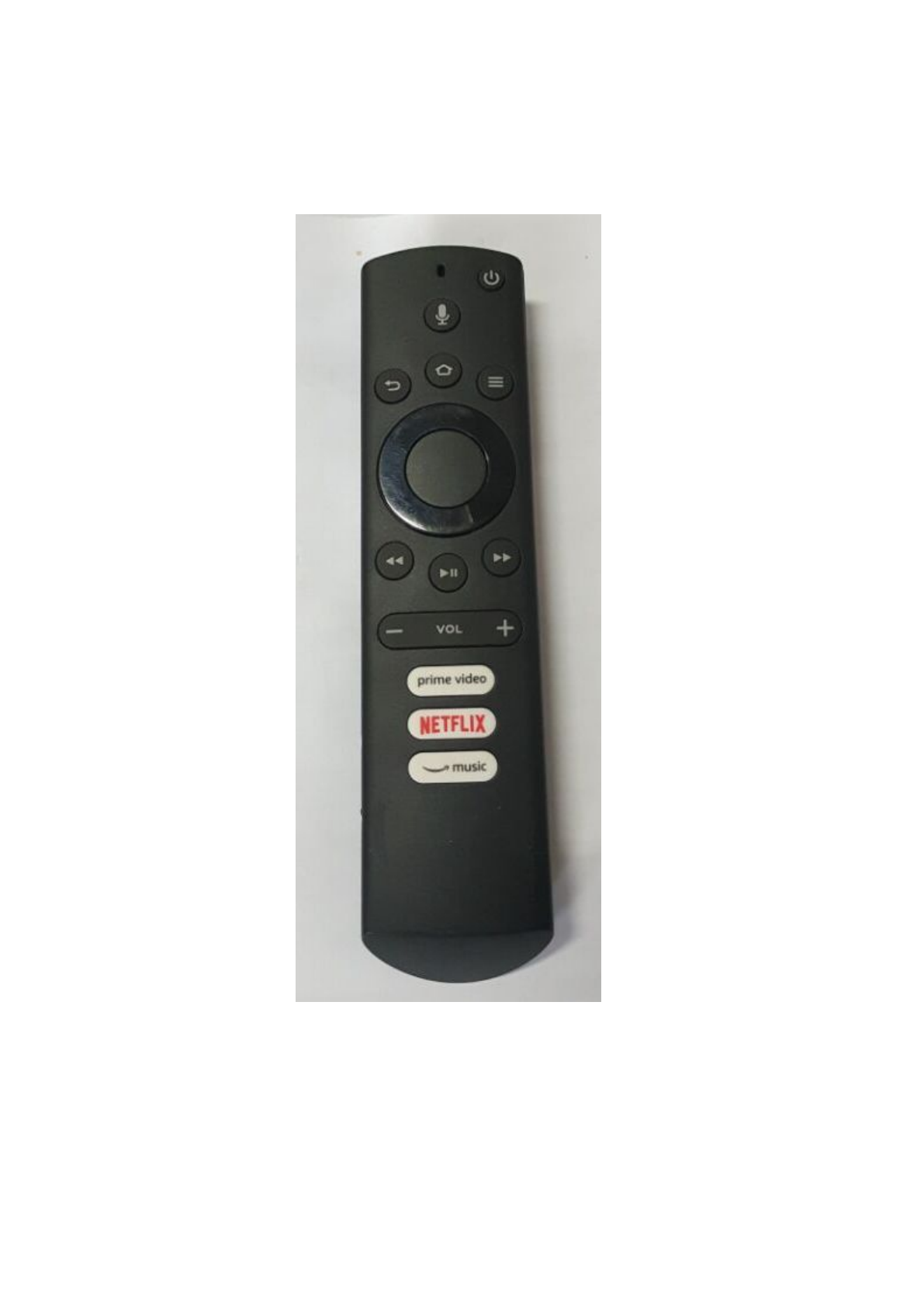
Remote control brief instructions
1. Remote control appearance drawing
YKF431-B002
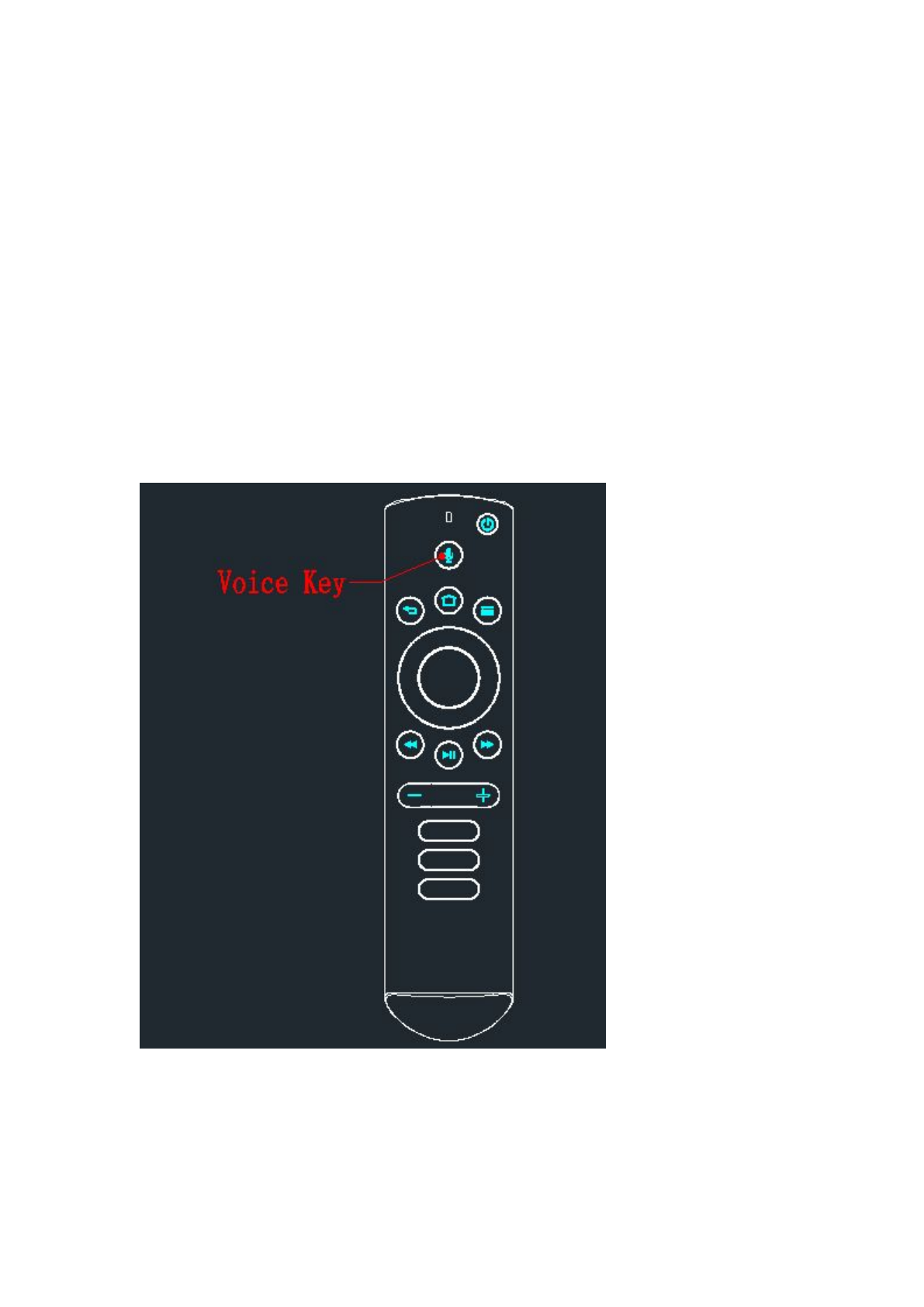
2. Remote control pairing
After powering on the remote control, the remote control gets into
the state of radio, at this time the host can search to a Bluetooth
device which is named as BLE Remote Control Transmitter, then
selecting pairing , after successful pairing,we can normally use
the Bluetooth key and speech recognition
3. Remote control speech recognition
After the matching of the remote control is successful, press the
voice key and say what you need to search. After you release the
voice key, the host will jump out of another voice content
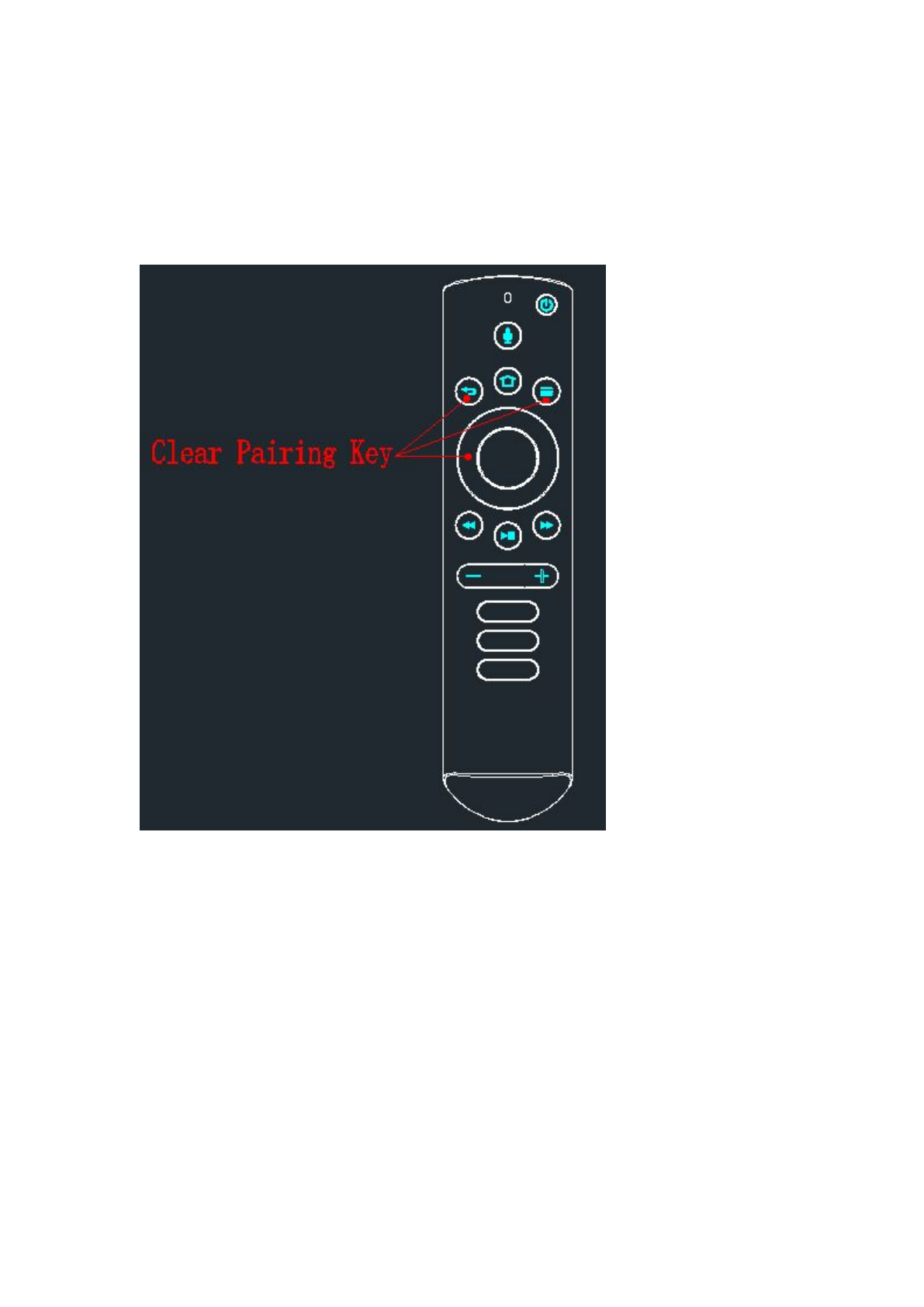
4. Remote control to remove the pairing
After pairing the remote control, if you need to remove the
pairing information, press BACK, MENU, and LEFT for 9
seconds at the same time, Then release the combination key,
when the remote is re entered into the broadcast state and can be
paired with other host devices
FCC STATEMENT
1. This device complies with Part 15 of the FCC Rules. Operation

is subject to the following two conditions:
(1) This device may not cause harmful interference.
(2) This device must accept any interference received, including
interference that may cause undesired operation.
2. Changes or modifications not expressly approved by the party
responsible for compliance could void the user's authority to
operate the equipment.
NOTE: This equipment has been tested and found to comply with
the limits for a Class B digital device, pursuant to Part 15 of the
FCC Rules. These limits are designed to provide reasonable
protection against harmful interference in a residential
installation.
This equipment generates uses and can radiate radio frequency
energy and, if not installed and
used in accordance with the instructions, may cause harmful
interference to radio communications. However, there is no
guarantee that interference will not occur in a particular
installation. If this equipment does cause harmful interference to
radio or television reception, which can be determined by turning
the equipment off and on, the user is encouraged to try to correct
the interference by one or more of the following measures:

Reorient or relocate the receiving antenna.
Increase the separation between the equipment and receiver.
Connect the equipment into an outlet on a circuit different
from that to which the receiver is connected.
Consult the dealer or an experienced radio/TV technician for
help.
RF warning statement:
The device has been evaluated to meet general RF exposure
requirement. The device can be used in portable exposure
condition without restriction.